
Driving in Singapore presents a unique set of environmental challenges for your vehicle’s interior, particularly when it comes to maintaining a pleasant aroma. The combination of intense tropical sunlight, high ambient temperatures, and relentless humidity can turn a standard car air freshener from a subtle background note into an overwhelming olfactory hazard. When selecting a Yankee Candle car scent, the key to success lies in choosing crisp, light fragrance profiles—such as citrus, aquatic, and clean herbal notes—while opting for physical formats that can withstand extreme cabin heat without leaking or degrading. By understanding how tropical conditions interact with fragrance oils and materials, you can keep your vehicle smelling fresh and inviting throughout your daily commute.
Understanding How Heat and Humidity Affect Car Fragrances
Heat is pure energy, and high temperatures directly increase the kinetic energy of fragrance oil molecules, causing them to transition from liquid to gas at an accelerated rate. In a car parked under the tropical sun, cabin temperatures can easily soar far above the ambient outdoor temperature, sometimes reaching over 60 degrees Celsius. This extreme heat causes the volatile top notes of a fragrance to flash off rapidly, leading to an initial burst of intense scent followed by a premature decline in the product’s lifespan.
High humidity levels further alter how scent molecules disperse and linger within the confined space of a vehicle. Water vapor in the air can bind with or trap certain fragrance molecules, making the air feel heavier and causing the scent to seem more concentrated or cloying. This damp environment prevents the clean, airy dispersion that occurs in drier climates, often magnifying heavier base notes and making the cabin feel stuffy.
Products mentioned in this guide
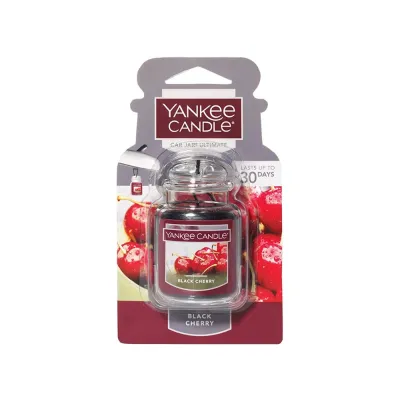
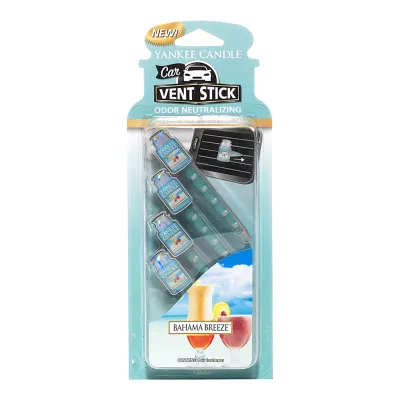

Prices are valid at publication and may change. Please refer to the product page for the latest price.
Repeated exposure to extreme heat cycles and direct ultraviolet radiation can physically and chemically alter fragrance oils. Chemical bonds within the perfume compounds can break down over time, causing the scent profile to shift. A fragrance that initially smelled balanced may develop sour, overly chemical, or unpleasantly musty undertones as the delicate top and middle notes degrade, leaving behind only the most resilient—and often heaviest—base compounds.
Choosing the Right Fragrance Profile for Tropical Driving
Fresh, aquatic, citrus, and light herbal fragrance families are highly suited for tropical driving. Citrus notes like lemon, lime, and grapefruit, along with aquatic accords that mimic sea breezes, provide an immediate sensation of cleanliness and coolness. These scents work harmoniously with the vehicle’s air conditioning system, reinforcing the cooling effect when you first step into a hot car. Light herbal notes like mint, eucalyptus, or lavender also offer a refreshing, non-intrusive background aroma that cuts through the mustiness often caused by damp carpets or humid air.

Conversely, dense gourmand scents—such as vanilla, warm caramel, or baked goods—and heavy woody or musky fragrances should be approached with caution. In a cool, temperate climate, these rich notes feel cozy and comforting. However, when subjected to intense heat, the heavy base molecules expand rapidly. What was once a subtle vanilla scent can quickly transform into a suffocating, overly sweet aroma that can cause discomfort during long drives. If you prefer woody scents, look for lighter, drier variations like cedar or bamboo rather than deep, resinous amber or heavy musk.
Before purchasing, carefully inspect the fragrance description provided on the product packaging or official specifications. Pay close attention to the top, middle, and base notes. Opt for products where the dominant, long-lasting notes are described as clean, green, or ozonic. If the base notes are heavily dominated by heavy spices, patchouli, or dense sugars, the fragrance is highly likely to become overpowering once the cabin heats up.
Comparing Yankee Candle Car Freshener Formats for Hot Climates
Hanging designs, such as cardboard cards or gel-filled jars, are typically suspended from the rearview mirror. While highly convenient, this position exposes the product to direct sunlight and intense windshield heat. It is essential to check the product packaging for specific instructions regarding placement and UV exposure. Some paper-based or gel-filled hanging fresheners are formulated to resist rapid fading, but prolonged exposure to direct sunlight can still accelerate drying. Ensure the hanging element does not contact the windshield glass or plastic trim, as the concentrated oils can cause damage if heated against a surface.
Vent clips attach directly to the air conditioning louvers and are highly effective in tropical climates because they utilize the vehicle’s active airflow to distribute the scent. When the air conditioning is running, the cool air helps regulate the evaporation rate of the fragrance, keeping it subtle and refreshing. However, when the vehicle is parked and the AC is turned off, the high humidity inside the cabin can cause the scent to pool around the vent. Upon restarting the car, you may experience a sudden, highly concentrated burst of fragrance.
Yankee Candle offers various physical mediums, including solid gels and liquid reservoirs. When choosing these formats, structural integrity is paramount. High cabin temperatures can cause some gel formulas to shrink rapidly or liquefy, while liquid designs run the risk of expanding and leaking if the container’s seals fail under pressure. Always verify the manufacturer’s temperature tolerance claims and check the packaging to ensure the design is explicitly labeled as leak-proof or spill-resistant. Avoid placing liquid or gel units on slanted surfaces or directly on delicate dashboard plastics.
Placement and Maintenance Tips to Prevent Overpowering Scents
To prevent rapid scent depletion and physical degradation, strategic placement is key. Instead of hanging fresheners directly in the path of intense sunlight on the rearview mirror, consider alternative locations that offer some shade, such as the indicator stalks, rear passenger grab handles, or under-seat brackets, provided they do not interfere with safe vehicle operation or block controls. Keeping the freshener out of direct sunlight significantly extends its lifespan and prevents the fragrance oils from overheating.
Many modern car fresheners, particularly vent clips, feature adjustable dials or sliders that control the exposure of the fragrance membrane to the airflow. In hot and humid weather, start by setting the adjustment mechanism to the lowest possible opening. The natural heat inside the cabin will ensure sufficient scent throw even at the minimum setting. For hanging paper or gel fresheners, you can control the intensity by only partially removing the protective plastic packaging initially, gradually exposing more of the product as the scent naturally fades over time.
Concentrated fragrance oils are powerful solvents that can easily warp, discolor, or melt automotive plastics, vinyl, and leather upholstery. Make it a habit to inspect your car freshener weekly. Look for signs of physical warping, cracking plastic housings, or slow oil weeping. If you notice any residue or leakage, remove the product immediately and clean the affected vehicle surface with a mild, interior-safe cleaner. Never allow a leaking or damaged freshener to remain in contact with your vehicle’s interior surfaces.
Frequently Asked Questions (FAQ)
Will Parking in Direct Sunlight Ruin the Car Scent?
Yes, parking in direct sunlight can significantly degrade your car scent. The extreme greenhouse effect inside a closed vehicle parked outdoors in Singapore can raise interior temperatures to levels that break down the chemical structure of fragrance oils, leading to a distorted smell. Additionally, intense heat can dry out paper-based fresheners prematurely or cause plastic housings to warp and crack. To protect your air freshener and your vehicle’s interior, use a reflective windshield sunshade when parking outdoors, or park in shaded or multi-story carparks whenever possible.
How Often Should You Replace Car Air Fresheners in a Hot Climate?
In a hot and humid climate, you should expect to replace your car air freshener more frequently than the manufacturer’s standard estimate, which is often calculated for temperate regions. While a product might be rated for up to 30 days, the accelerated evaporation caused by tropical heat typically reduces its effective lifespan to around two to three weeks. Replace the freshener when you notice visual cues, such as the gel visibly shrinking and drying out, or olfactory cues, such as a complete loss of the top and middle notes, leaving only a faint, flat base scent.

Community discussion
Share your experience or ask a question. Comments are reviewed before publication.