
To maintain a pleasant car interior in Singapore’s intense heat and humidity, solid-state diffusers, ceramic blocks, and high-grade gel cans generally outperform traditional hanging paper cards and liquid vent clips. When a vehicle is parked under the tropical sun, cabin temperatures can climb rapidly, accelerating the evaporation of liquid oils and causing standard gels to liquefy or shrink prematurely. Choosing the right format requires looking past marketing claims and understanding how different materials interact with extreme heat and moisture.
By evaluating the physical properties and structural designs of various air refreshers, you can select an option that delivers a consistent scent without risking damage to your vehicle’s interior. This guide compares common formats based on their heat tolerance, evaporation control, and physical stability under tropical conditions.
How Singapore's Heat and Humidity Affect Car Air Refreshers
The greenhouse effect inside a parked car can raise cabin temperatures far above the ambient outdoor temperature. When solar radiation passes through the windshield, it heats up the dashboard, steering wheel, and air inside, creating a high-temperature environment that acts as an oven.
Products mentioned in this guide

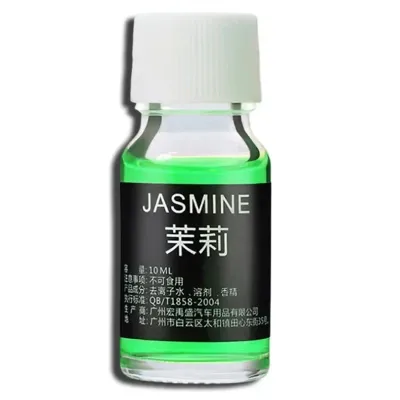

Prices are valid at publication and may change. Please refer to the product page for the latest price.
Liquid and oil-based formats rely on controlled evaporation to release their fragrance. However, high heat increases the kinetic energy of the liquid molecules, causing them to vaporize at an uncontrolled rate. This leads to an overwhelming scent initially, followed by rapid depletion within days instead of the promised weeks.
Gel and solid wax formats face structural challenges when exposed to these extreme temperatures. Many standard household gels are water-based or contain low-melting-point polymers. When exposed to high cabin temperatures, these gels can lose their structural integrity, liquefying into a runny substance that can easily spill and damage interior plastics.
Singapore’s high relative humidity adds another layer of complexity. Porous materials like cardboard hanging trees or natural wood diffusers absorb ambient moisture from the air. This saturation can clog the pores of the material, trapping the fragrance oils inside or causing them to degrade, resulting in a significantly reduced scent throw.
Comparing Air Refresher Formats for Tropical Conditions
To find an air refresher that survives these conditions, you must evaluate products based on three primary criteria: heat tolerance, evaporation control, and physical stability. A format that scores highly in one area but fails in physical stability can lead to costly interior damage.

Vent Clips and Liquid Diffusers
Vent clips that use liquid reservoirs are highly popular due to their direct integration with the air conditioning system. However, placing a liquid reservoir directly in front of a vent—often near the windshield where solar exposure is highest—presents distinct risks. The plastic housing and membrane seals can degrade under UV light and heat, increasing the risk of chemical leakage onto the dashboard.
Furthermore, these systems depend heavily on active airflow to distribute the scent. When the air conditioning is off, the heat inside the parked car still causes the liquid to evaporate, but without airflow, the vapor concentrates in the immediate vicinity. Once you turn on the fan, you may experience an overpowering burst of fragrance that quickly dissipates, leading to uneven scent delivery and a shorter overall lifespan.
Before purchasing a liquid vent clip, it is crucial to check the manufacturer’s packaging for specific temperature limits and verify the sealing mechanism. Look for multi-layered membrane designs or adjustable wick systems that allow you to physically close the scent ports when the vehicle is parked for extended periods. Additionally, verify your vehicle’s vent blade dimensions and mounting compatibility to ensure a secure fit that prevents the clip from slipping.
Gel Cans and Solid Blocks
Gel cans, particularly those formulated with organic fibers or high-density polymers, offer a more stable alternative to liquids. However, not all gels are created equal. Standard water-based gels tend to shrink rapidly as the water content evaporates in the heat, leaving behind a dry, scentless residue. In extreme cases, low-quality gels can completely liquefy, posing a spill hazard if the container is tilted or placed on an uneven surface.
Solid blocks made of ceramic, plaster, or specially treated high-melting-point wax provide excellent physical stability. Because they do not contain free liquids or volatile water bases, they cannot melt or leak, even when cabin temperatures soar. The fragrance oils are deeply embedded within the porous structure of the solid medium, allowing for a slower, more controlled release that is less affected by ambient temperature spikes.
When shopping for these formats, look for labels that explicitly state “automotive-grade” or indicate heat resistance up to specific thresholds. Solid ceramic or mineral-based blocks are highly recommended for drivers who frequently park in unsheltered open-air car parks.
Hanging Cards and Essential Oil Diffusers
Hanging paper cards are the most common and budget-friendly option, but they are poorly suited for Singapore’s climate. The thin cardboard is saturated with fragrance oils that evaporate almost immediately when exposed to direct sunlight hanging from the rearview mirror. Within a few days, the card often loses its potency, requiring frequent replacements that accumulate costs over time.
Active essential oil diffusers, including electronic ultrasonic models and passive glass bottles with wooden reeds, require careful safety evaluations. Electronic diffusers contain delicate circuitry and often lithium-ion batteries, which should never be left in a hot vehicle due to the risk of battery swelling or thermal runaway. Passive glass bottles, while safer, can act as magnifying glasses under direct sunlight, potentially focusing heat onto interior surfaces and causing localized damage.
Additionally, natural essential oils can oxidize and degrade rapidly when exposed to high temperatures and UV light, altering the scent profile and reducing its pleasantness. If you choose an active diffuser, it is best to use a model that can be easily removed from the vehicle when parked or one that uses a secure, non-glass reservoir.
Key Specifications to Check Before Buying
To ensure you select a product that can withstand the local climate, look for explicit “automotive-grade” or “high-temperature tolerance” statements on the packaging. Products designed specifically for automotive use are formulated with stabilizers that prevent the fragrance compounds from breaking down rapidly under heat.
Pay close attention to warning labels regarding placement and surface compatibility. Many air refreshers contain synthetic fragrance oils or solvents that can chemically react with polyurethane, leather, and soft-touch plastics used in modern car interiors. The packaging should clearly state whether the product is safe for direct contact with these materials or if it must be suspended or mounted away from them.
Be realistic when verifying the stated lifespan on the packaging. Manufacturers often test their products under controlled laboratory conditions, typically around 20°C to 22°C with moderate humidity. In Singapore’s climate, where parked car interiors can easily exceed 60°C, you should expect the actual lifespan to be roughly half of the maximum duration claimed on the box. If a product claims to last up to 60 days, a realistic expectation in a hot vehicle is closer to 30 days.
Safe Placement and Maintenance in Hot Vehicles
Proper placement is just as important as choosing the right format. Avoid placing any air refresher directly on the dashboard, steering column, or any surface exposed to direct sunlight through the windshield. Not only does this accelerate evaporation, but it also increases the risk of chemical etching or melting on expensive interior trim.
Instead, opt for placement zones that balance effective scent distribution with lower direct heat exposure. The lower door pockets, under-seat compartments, or rear seat pockets are excellent alternative locations. If you use a vent clip, mount it on a lower vent rather than the center dashboard vents, and consider removing it or closing its vents when parking in an unsheltered area.
Establish a routine to check your air refresher every few weeks. Look for signs of structural changes, such as swelling, cracking, liquefaction, or residue buildup around the casing. If you notice any leakage or physical degradation, remove the product immediately and clean the area with a damp microfiber cloth to prevent permanent staining or damage to your car’s interior.
Frequently Asked Questions (FAQ)
Can I leave an essential oil diffuser in my parked car?
Leaving an active electronic or glass essential oil diffuser in a parked car in Singapore is generally not recommended. The extreme heat can cause electronic components to fail, batteries to swell, and glass containers to crack or concentrate sunlight. Furthermore, high temperatures degrade natural essential oils, causing them to lose their therapeutic properties and develop an unpleasant, oxidized smell. If you prefer essential oils, use a passive, non-glass diffuser and remove it from the vehicle when parking outdoors for extended periods.
Do air refreshers damage car interiors in high heat?
Yes, air refreshers can cause significant damage to car interiors if they leak, melt, or drip under high heat. The solvents and fragrance oils used in many liquid and gel products are highly corrosive to automotive plastics, vinyl, and leather. If a leak occurs and is left untreated in a hot cabin, it can cause the dashboard material to bubble, peel, or discolor permanently. Always mount air refreshers securely, avoid direct contact with interior surfaces, and clean any spills immediately with a mild, surface-safe cleaner.
Community discussion
Share your experience or ask a question. Comments are reviewed before publication.