
Finding a sunshade that fits the XPeng G6 correctly requires looking beyond generic “one-size-fits-all” options. Because of the G6’s highly raked front windshield, expansive glass area, and prominent sensor array behind the rearview mirror, standard universal shades often leave large gaps or put dangerous pressure on delicate interior components. In tropical climates like Singapore, where cabin temperatures can soar rapidly under direct sunlight, selecting the right sunshade is crucial for protecting the dashboard electronics, preserving the leatherette upholstery, and keeping the cabin comfortable. To make an informed decision, you must evaluate how different sunshade designs interact with the G6’s unique physical layout, frameless side windows, and panoramic glass roof.
Understanding the XPeng G6 Windshield and Sensor Layout
The front windshield of the XPeng G6 is not just a piece of glass; it is a highly integrated structural and technological component. At the top center of the windshield, directly behind the rearview mirror, sits a large housing for the Advanced Driver Assistance Systems (ADAS) cameras and rain sensors. This housing extends downward along the glass, creating a physical barrier that standard rectangular sunshades cannot accommodate. If you attempt to force a basic sunshade over this area, the frame will press against the plastic housing, potentially misaligning the sensitive cameras or damaging the mounting clips. Therefore, any front shade you select must feature a deep, dedicated cutout or a flexible hook-and-loop strap designed to close securely around the mirror base without putting pressure on the sensor pod. This ensures that the safety systems remain fully functional and uncompromised by your heat-protection accessories.
Another critical factor is the steep rake angle and curvature of the G6’s windshield. The glass slopes aggressively from the roofline down to the deep dashboard, creating a narrow wedge-shaped space where the glass meets the dash. This angle means that rigid, non-flexible sunshades are incredibly difficult to maneuver into place without scraping the top of the dashboard or the soft-touch materials on the A-pillars. Furthermore, the glass has a subtle horizontal curvature. A completely flat, rigid shade will leave significant gaps at the outer edges, allowing sunlight to stream in and heat up the cabin. The shade must have enough flexibility to conform to this curve while remaining rigid enough to stay upright without sagging.
Products mentioned in this guide

Prices are valid at publication and may change. Please refer to the product page for the latest price.
Finally, you must consider the clearance around the steering column and the central infotainment screen. When deploying or folding a sunshade inside the G6, the tight space between the steering wheel and the windshield limits your movement. If the shade’s internal frame is too stiff or lacks a folding joint, you risk knocking against the steering wheel controls or scraping the edges of the large central touchscreen. Ensuring there is adequate clearance during installation is just as important as the final fit when the shade is fully deployed.
Choosing a Front Windshield Sunshade
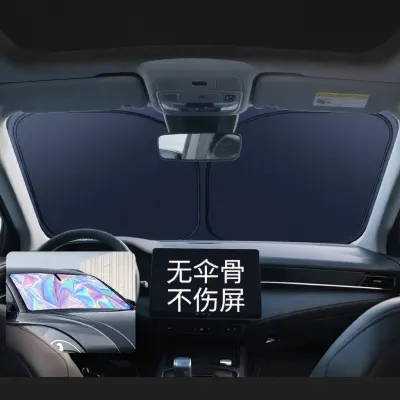
When shopping for a front windshield sunshade for your XPeng G6, you will primarily choose between custom-fit rigid or foldable wire-frame shades and universal umbrella-style shades. Custom-fit shades are measured specifically to match the G6’s windshield dimensions. These typically feature a flexible spring-steel wire frame sewn into a reflective fabric. When unfolded, they pop open to fill the entire windshield area, leaving virtually no edge gaps. This precise fit is highly effective at blocking out light and heat, but these shades require a specific twisting motion to fold back down, which can take some practice to master within the tight confines of the cabin.

In contrast, umbrella-style sunshades have gained popularity due to their familiar opening mechanism and compact storage size. However, they present unique challenges when used in the XPeng G6. An umbrella shade relies on a central metal shaft and a series of rigid metal ribs to hold the fabric taut against the glass. In the G6, the long central shaft can easily press directly against the prominent, free-standing central infotainment screen or the dashboard controls. Over time, this constant pressure and vibration can scratch the screen’s protective coating or damage its mounting bracket. If you prefer an umbrella-style shade, you must look for specialized models that feature a bendable, flexible, or modular shaft that can be angled away from the screen and rested safely on the dashboard trim. This prevents any physical contact with the display while still providing the structural support needed to keep the shade in place.
Regardless of the style you choose, pay close attention to the perimeter of the sunshade. The edges of the shade should be wrapped in a soft, padded fabric border rather than leaving the raw wire frame or sharp synthetic material exposed. As you slide the shade into the narrow gap between the windshield and the dashboard, these soft edges act as a buffer, preventing scratches on the leatherette dashboard cover and the fabric lining of the A-pillars. A padded border also helps create a tighter seal against the glass, minimizing light leakage around the corners.
Selecting Side Window and Sunroof Shades
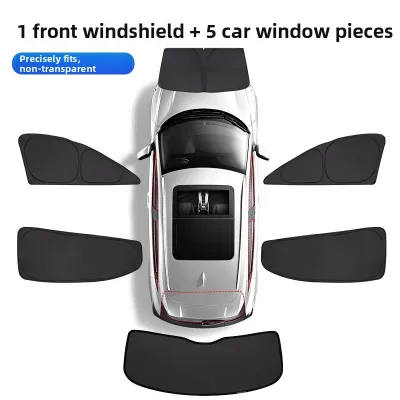
The XPeng G6’s frameless door design introduces specific constraints when selecting side window sunshades. Traditional vehicles with framed doors allow you to use magnetic sunshades that snap onto the exposed metal frame of the door. Because the G6’s side glass has no upper metal frame, magnetic shades designed to cling to the door frame will not work when the door is open, and they cannot be easily mounted when the door is closed. Instead, you must rely on alternative attachment methods such as suction cups, static cling films, or custom-fit mesh shades that clip directly into the window’s rubber weatherstripping.
Static cling films and suction cups attach directly to the glass surface. While static cling shades offer a clean, low-profile look, they must be removed entirely before you roll the windows down. Suction cups provide a stronger hold but can leave unsightly circular marks on the glass and may lose suction over time due to heat exposure. If you choose shades that attach directly to the glass, you must exercise extreme caution. The G6, like most vehicles with frameless doors, utilizes a short-drop window mechanism. When you pull the door handle, the window automatically drops a few millimeters to clear the roof seal, and rolls back up once the door is closed. Any shade or mounting clip that interferes with this movement can damage the window motor, tear the rubber seals, or crack the glass.
For the side windows, ensure that any deployed shade does not obstruct your view of the side mirrors or block your blind-spot visibility. Opt for high-density mesh shades that block heat and glare while maintaining a degree of transparency, especially for the front side windows.
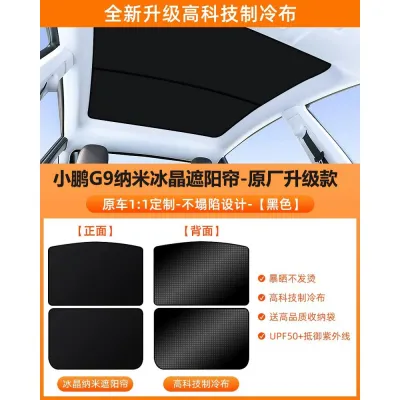
The panoramic sunroof of the G6 is another major source of heat entry. While the glass is treated to filter out UV rays, the intense tropical sun can still create a greenhouse effect inside the cabin. To combat this, you can choose between retractable fabric shades and static mesh panels. Retractable shades offer the convenience of opening and closing the roof cover on demand, but they often require semi-permanent adhesive tracks mounted along the roof lining. Static mesh panels, on the other hand, use small plastic clips that slide into the gap between the glass and the headliner. These panels are highly effective at blocking heat and preserving headroom, but they must be manually removed and folded when you want a clear view of the sky.
How to Verify Fitment Before You Buy
With many aftermarket accessories available on various online marketplaces and ecommerce platforms, verifying the exact fitment of a sunshade before purchasing is essential to avoid the hassle of international returns. Do not rely solely on generic product titles that list dozens of car models. Instead, start by cross-referencing the product’s stated physical dimensions with the actual measurements of your G6’s glass. The front windshield of the G6 requires a shade that matches its specific height and width while accounting for the central camera pod cutout. If a seller lists a shade as “universal medium,” check the exact centimeter measurements against your vehicle to ensure it will not be too loose or too tight.
Next, dive deep into the product descriptions and customer feedback sections. Look specifically for reviews written by other XPeng G6 owners. These reviews often contain invaluable real-world feedback regarding how well the shade fits around the ADAS camera housing, whether the umbrella shaft clears the center screen, and if the side window clips interfere with the frameless door mechanism. If you see multiple complaints about the frame being too rigid or the suction cups failing under high heat, it is a clear sign to look for alternative options.
Finally, always check the seller’s return policy, especially when ordering from overseas sellers on ecommerce platforms. Returning a bulky, lightweight item like a sunshade can sometimes cost more in shipping fees than the product itself. Look for sellers that offer local return options in Singapore or provide a “free return” guarantee for incorrect fitment. This ensures that if the shade arrives and does not clear your rearview mirror or dashboard as expected, you can return it without financial loss, saving you from wasting S$30 to S$50 on an unusable accessory.
Installation and Storage Best Practices
Proper installation and storage of your sunshades will not only prolong the life of the accessories but also protect your G6’s premium interior. When deploying a foldable wire-frame shade, avoid letting it snap open violently inside the cabin. The sudden release of tension can cause the metal frame to strike the central screen, the rearview mirror, or the passenger-side dashboard. Instead, hold the shade firmly with both hands, allow it to unfold gently outside the immediate range of the electronics, and then slide it carefully into position.
Before applying suction cups or static cling shades to the side windows or sunroof, take a moment to clean the glass surface. Use a clean microfiber cloth and a mild glass cleaner to remove dust, fingerprints, and oily residues. A clean surface ensures a much stronger, longer-lasting bond, preventing the shades from falling off unexpectedly while driving or when the vehicle is parked in the sun. Avoid using harsh chemical cleaners on the dashboard or interior trim pieces, as these can degrade the materials over time.
When it is time to drive, store your sunshades properly rather than tossing them onto the back seat. Rigid and foldable shades should be twisted back into their compact circular shape and placed in their protective storage sleeve. Storing them in the trunk, the under-trunk storage compartment, or the pockets behind the front seats keeps them secure and prevents them from warping under weight. Avoid bending the internal wire frames forcefully, as a warped frame will no longer sit flush against the windshield, leading to gaps and reduced thermal efficiency.
Frequently Asked Questions (FAQ)
Will a universal sunshade scratch the XPeng G6's interior?
Universal sunshades can pose a significant risk of scratching the XPeng G6’s interior if they feature exposed metal wires, sharp plastic tips, or rigid structural shafts. Because the G6’s dashboard is finished with soft-touch materials and leatherette, dragging a rough or unprotected wire frame across the surface during installation can leave permanent scuffs. Additionally, universal umbrella-style shades with rigid metal tips can scratch the glass or the delicate A-pillar fabric. To mitigate this risk, choose shades that feature fully enclosed wire frames wrapped in soft fabric borders, and ensure any metal components are heavily padded.
Do I need a special sunshade if my G6 has a panoramic sunroof?
Yes, standard side window or windshield shades cannot be adapted to cover the G6’s large panoramic sunroof. Because of the expansive glass area overhead, you need a dedicated sunroof shade designed specifically for the G6’s roof dimensions. These shades typically use specialized mounting clips that slide securely into the gap between the glass panel and the interior headliner, holding the shade taut without sagging. Using a dedicated sunroof shade is highly recommended in hot climates to reduce cabin heat buildup and protect passengers from direct overhead glare without compromising headroom.

Community discussion
Share your experience or ask a question. Comments are reviewed before publication.