
Choosing between a front windshield sun shade and side window sun shades depends on whether your primary goal is lowering the overall cabin temperature of a parked car or protecting passengers from harsh sunlight while on the move. Front windshield shades cover the largest piece of glass on your vehicle, making them highly effective at blocking direct solar radiation and protecting sensitive dashboard electronics from heat degradation. Side window shades, on the other hand, target angled sunlight, reduce glare for rear passengers, and can often remain installed while the vehicle is in motion. For many drivers in Singapore, where cars are frequently exposed to intense tropical heat in open-air surface carparks or the upper decks of multi-storey carparks, a combination of both types offers the most comprehensive defense against interior heat buildup.
Understanding Heat and UV Entry Points in Your Vehicle
To make an informed decision, it is essential to understand how solar energy interacts with your car’s cabin. When a vehicle is parked under direct sunlight, solar radiation passes through the glass windows and is absorbed by dark interior surfaces, such as the dashboard, steering wheel, and seats. These surfaces radiate this energy back as infrared heat, which becomes trapped inside the cabin due to the greenhouse effect. Because the front windshield is typically the largest and most steeply raked pane of glass on any vehicle, it acts as the primary entry point for solar energy, leading to rapid temperature spikes that can make the steering wheel too hot to touch.
While the front windshield lets in the largest volume of light when parked head-on to the sun, side windows present a different challenge. As you drive or park at varying angles throughout the day, the sun’s position relative to your vehicle constantly changes. Angled sunlight streaming through side windows can cause localized discomfort, creating hot spots that directly affect passengers, particularly children in child safety seats or pets in the rear. By observing where heat accumulates during your daily commute—whether it is a scorching steering wheel after work or persistent glare on your passenger’s face during morning traffic—you can pinpoint exactly which glass surfaces require immediate shielding.
Products mentioned in this guide
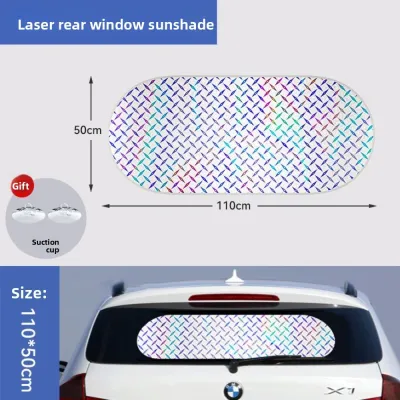
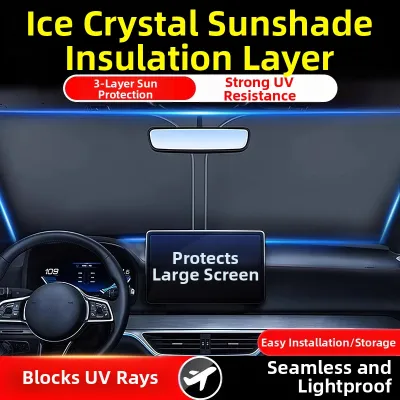
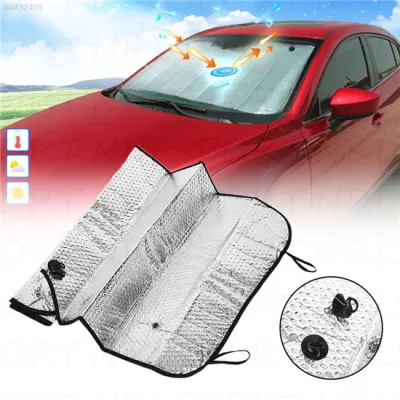
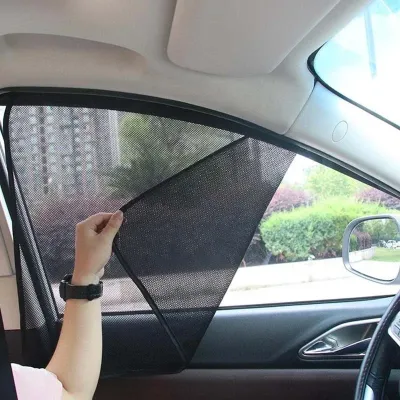
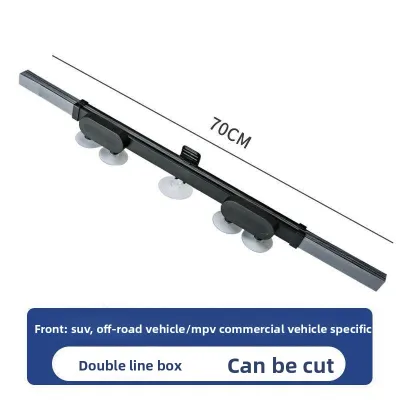
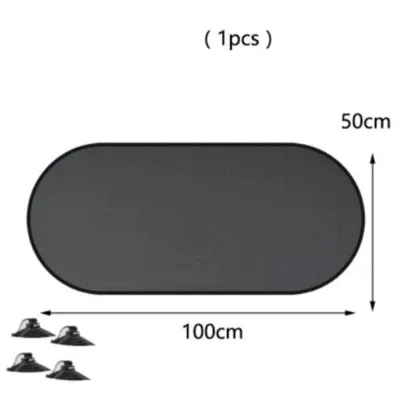
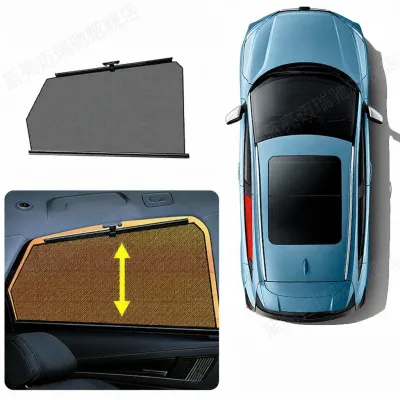
Prices are valid at publication and may change. Please refer to the product page for the latest price.
Front Windshield Sun Shades: Coverage and Ideal Use Cases
Front windshield sun shades are designed to act as a primary barrier against solar radiation, covering the expansive front glass area to block light before it ever reaches your dashboard. By reflecting or absorbing sunlight right at the glass line, these shades help maintain a more manageable baseline temperature inside the cabin. This protection is especially critical for preserving the lifespan of your vehicle’s interior components, as prolonged exposure to high temperatures and UV rays can cause leather seats to crack, plastics to become brittle, and digital instrument clusters or infotainment screens to malfunction over time.

These shades are most effective in parking scenarios where your vehicle is left exposed to the elements for extended periods. If you regularly park in open-air surface lots, industrial estates, or the unsheltered top decks of HDB multi-storey carparks in Singapore, a front windshield shade is an indispensable tool. When deploying a front shade, achieving a snug fit is crucial; any significant gaps around the edges will allow heat and light to bypass the barrier, reducing its overall effectiveness. Drivers should always verify that the shade clears the central rearview mirror housing and any mounted dashcams or sensors without putting undue pressure on their mounts or wiring.
Side Window Sun Shades: Coverage and Ideal Use Cases
Side window sun shades serve a distinct purpose by focusing on passenger comfort, glare reduction, and localized UV protection. Unlike front windshield shades, which must be removed before driving to maintain a clear view of the road, certain types of side window shades can remain installed while the vehicle is in motion. This makes them highly beneficial for families traveling with young children or infants in the back seat, as they block direct, blinding glare that can cause discomfort and disrupt sleep during daytime trips.
When parked, side window shades complement front shades by blocking angled sunlight that creeps in as the sun moves across the sky. This is particularly useful if you park in parallel parking lots where you cannot control the orientation of your vehicle relative to the sun’s path. However, using side shades requires careful attention to safety and operational boundaries. Drivers must ensure that any installed side shades do not obstruct their view of the side mirrors or blind spots, especially on the front driver and passenger windows. Additionally, you must verify whether the shade’s mounting mechanism—whether suction cups, static cling, or magnetic frames—interferes with the physical operation of the power windows, as rolling down a window with an attached shade can damage the window motor or the shade itself.
Key Decision Factors: Matching Shades to Your Daily Routine
Deciding which sun shade to buy requires evaluating your daily driving habits, typical parking environments, and passenger needs. If your primary concern is reducing the initial blast of heat when you enter your car after a long day at work, a front windshield shade should be your first purchase. It targets the largest source of heat entry and protects the high-value electronics housed in your dashboard. Conversely, if your daily routine involves driving family members during peak daylight hours, prioritizing side window shades for the rear doors will yield more immediate benefits in terms of passenger comfort and glare reduction.
Your parking habits also play a significant role in this decision. Drivers who utilize sheltered basement carparks at home and work may find little need for a heavy-duty front windshield shade, as their vehicles are rarely exposed to direct midday sun. For these drivers, lightweight side window shades might be entirely sufficient to handle occasional weekend outings. Storage and deployment convenience are additional practical factors to weigh; accordion-style or roll-up front shades require dedicated storage space along the passenger footwell or side sills, whereas flexible, twist-to-fold side shades can easily slip into seatback pockets when not in use.
How to Verify Fit and Material Specifications
To ensure your chosen sun shade performs safely and effectively, you must verify its physical dimensions and material specifications against your vehicle’s actual layout. Rather than relying on generic vehicle category labels like “sedan” or “SUV,” take precise measurements of your windshield or side window glass using a tape measure. Compare these measurements directly with the product specifications provided on the packaging or manufacturer’s website before making a purchase. A shade that is too small will leave gaps that let in heat, while one that is too large will sag, fail to stay in place, or interfere with interior fixtures.
When evaluating materials, look for clear product labels detailing the construction of the shade. High-quality front shades often feature multi-layered designs, incorporating a reflective outer layer to bounce away light and a foam or bubble-pack core to provide thermal insulation. For side shades, check the density of the mesh fabric; a tighter weave offers better glare reduction but must be balanced against the need for outward visibility if used on front side windows. Finally, always perform a safety check during installation: ensure the shade does not block your view of critical driving angles, does not interfere with the operation of side-curtain airbags housed in the pillars, and remains securely anchored so it cannot fall and distract you while driving.
Frequently Asked Questions (FAQ)
Can I use both front and side sun shades together?
Yes, combining front windshield and side window sun shades provides the most comprehensive thermal barrier for your vehicle’s cabin. Using them together minimizes the total volume of solar radiation entering through all major glass surfaces, resulting in a cooler interior when parked for long periods. However, deploying multiple shades increases the time required to set up and pack away your sun protection, and you will need to allocate sufficient storage space within the cabin to keep all the shades secure and flat when they are not in use.
Do universal fit sun shades work as well as custom-fit ones?
Universal fit sun shades offer a cost-effective and widely available solution, often costing under S$15, but they rarely provide the seamless coverage of custom-fit options. Universal shades often leave small gaps around the edges of the glass, which can let in concentrated beams of sunlight and heat. Custom-fit shades are tailored to the exact dimensions of your specific vehicle model and year, ensuring maximum coverage and a secure hold without sagging. When purchasing a universal shade, carefully check the retailer’s return policy in case the fit is incompatible with your car’s interior layout.
How should I clean and store my sun shades to prevent damage?
To prolong the lifespan of your sun shades, clean them periodically by wiping the surfaces with a damp microfiber cloth and a mild soap solution. Avoid using harsh chemical cleaners, bleach, or abrasive brushes, as these can degrade reflective coatings and damage mesh fabrics. Allow the shades to air dry completely before folding or rolling them according to the manufacturer’s instructions. Storing them flat or properly folded in their designated sleeves prevents permanent creasing, frame warping, or structural damage that could compromise their fit and performance.
Community discussion
Share your experience or ask a question. Comments are reviewed before publication.