
Quick Answer: Which Car Seat Cushion Material Should You Choose?
When navigating daily commutes in a warm, humid climate like Singapore, choosing the right car seat cushion can significantly impact your driving comfort. There is no single universal winner among wooden bead, fabric, and mesh cushions; the optimal choice depends entirely on your cabin’s climate, your vehicle’s seat type, and your personal comfort preferences.
Wooden bead cushions excel at maximizing airflow by creating a physical gap between your body and the seat, though they offer a firm, massaging texture that may not suit everyone. Fabric cushions provide traditional, plush softness but tend to retain heat and moisture in non-ventilated cabins. Mesh cushions offer a modern middle ground, delivering flexible, ergonomic support alongside structural breathability. Understanding these core trade-offs between physical softness and maximum ventilation is the first step toward upgrading your daily drive.
Comparing Comfort and Breathability for Daily Driving
The primary factor influencing your comfort during a daily commute is how well a cushion manages temperature and physical support. Wooden bead cushions are a classic solution for hot and humid driving conditions. By arranging polished wooden spheres on a network of heavy-duty strings, these cushions create a distinct space between your back and the seat upholstery. This gap allows air to circulate continuously, preventing the buildup of sweat and heat. Additionally, the hard surface of the beads provides a passive massage as you shift your weight, which can help stimulate blood flow. However, this firm texture is highly subjective. On long journeys, some drivers find the pressure points created by the beads to be uncomfortable, especially if they prefer a soft, sinking seating experience.
Products mentioned in this guide
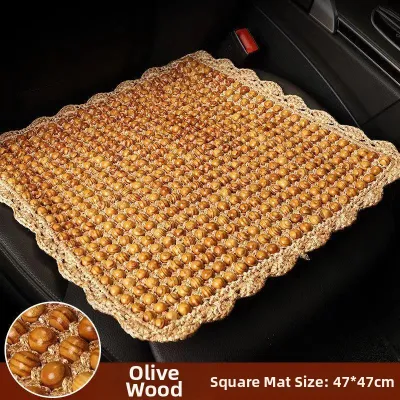
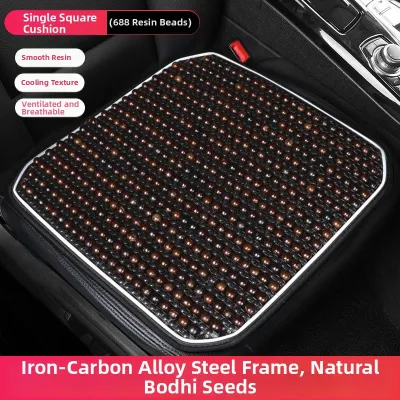
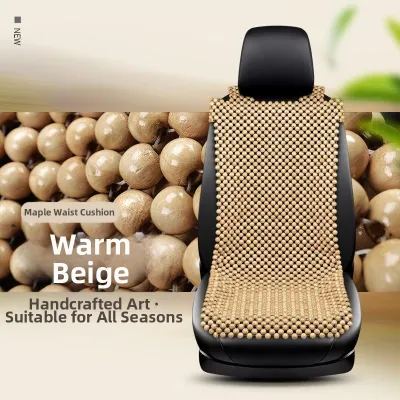
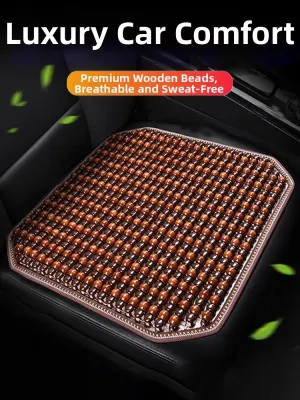
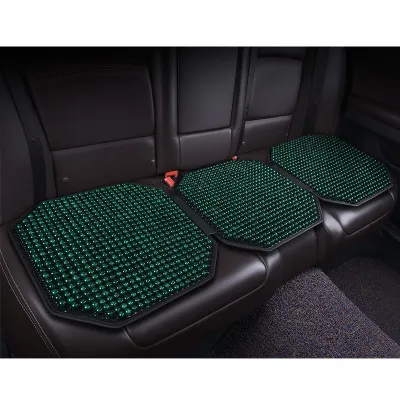
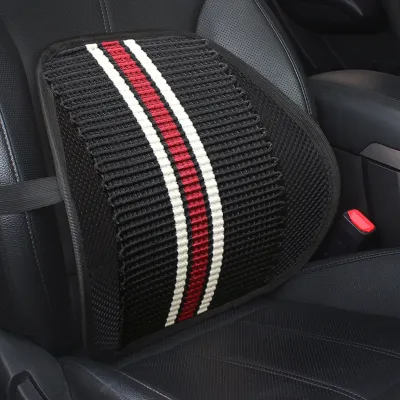
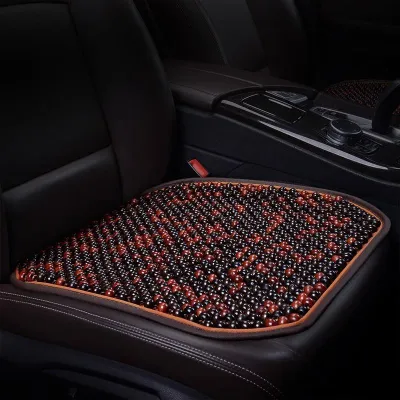
Prices are valid at publication and may change. Please refer to the product page for the latest price.

Fabric cushions, on the other hand, prioritize immediate physical softness and pressure relief. Typically filled with foam, polyester fiber, or memory foam, they conform closely to your body shape, distributing your weight evenly across the seat. This makes them highly comfortable for drivers who suffer from lower back stiffness or those who find firm surfaces painful. The significant drawback of fabric in a warm climate is its tendency to trap heat. Standard fabric fibers and dense foam cores act as insulators, absorbing your body heat and holding onto moisture. If your car has been parked under the sun, a fabric cushion can feel exceptionally warm and may cause discomfort unless your air conditioning system is highly efficient.
Mesh cushions bridge the gap between the extreme airflow of wooden beads and the plush comfort of fabric. Constructed from woven synthetic materials, mesh cushions feature an open-grid pattern that allows air to pass through while maintaining a springy, resilient structure. Instead of a hard, massaging sensation, mesh provides flexible support that contours gently to your lower back and thighs. This material distributes pressure more evenly than wooden beads while remaining significantly cooler than traditional fabric.
Before purchasing, you can perform a few simple, observable checks to verify breathability claims. Hold the cushion up to a light source; a high-quality mesh or bead cushion should allow light to pass through easily, indicating an open path for airflow. For fabric options, press down firmly on the foam core; if it takes several seconds to rebound, it is likely a dense memory foam, which will retain more heat than open-cell polyurethane foam.
Durability, Maintenance, and Practicality
Long-term upkeep is another critical factor when comparing these three materials, as daily driving exposes cushions to dust, sweat, spilled drinks, and physical wear. Wooden bead cushions are exceptionally practical when it comes to basic cleaning. Because the surface is non-porous, you can easily wipe away dust, dirt, or spills with a damp cloth. However, their long-term durability depends heavily on the integrity of the connecting strings. Over time, the constant friction of sliding in and out of the driver’s seat can fray the nylon or polyurethane threads holding the beads together. If a single string snaps, the entire cushion can unravel. Drivers should regularly inspect the outer edges and high-friction areas for signs of string wear. Additionally, avoid exposing wooden beads to excessive moisture or harsh chemical cleaners, which can strip the protective varnish, leading to wood cracking or color transfer onto your car’s original seats.
Fabric cushions require the highest level of maintenance because they easily absorb liquids, sweat, and odors. A spilled coffee or a rainy day commute can leave lasting stains and unpleasant smells if not treated quickly. When shopping for a fabric cushion, always check the manufacturer’s care label. Look for options with removable, machine-washable covers, as cleaning a solid foam cushion by hand is incredibly difficult and can lead to mold growth if the inner core does not dry completely.
Mesh cushions offer moderate durability but require specific care to maintain their structural tension. The open-weave design means that dust, lint, and small crumbs can easily become trapped in the gaps. Regular vacuuming with a soft brush attachment is necessary to keep the cushion clean. While synthetic mesh is highly resistant to moisture and stains, it is vulnerable to physical snags. Sharp objects such as keys, pocket rivets, or velcro on clothing can catch on the mesh fibers, causing them to pull or tear. Once the mesh structure is compromised, it can lose its tension and sag, reducing its ergonomic support.
Installation, Fit, and Safety Considerations
Installing any aftermarket accessory in your vehicle requires careful attention to safety, as improper placement can interfere with critical safety systems. One of the most vital checks is side airbag compatibility. Many modern vehicles feature side-impact airbags housed within the outer bolsters of the front seats. If you install a full-seat cushion or a cover that wraps around the sides of the seat back, you risk delaying or completely blocking the deployment of these airbags in an accident. Always verify that the cushion design is open-sided or specifically certified as airbag-compatible, and consult your vehicle’s owner’s manual to identify where the airbag deployment seams are located.
Furthermore, thick cushions can alter your physical driving posture and seat belt alignment. A very thick fabric or mesh cushion can raise your seating position by several centimeters, which may change how the diagonal shoulder belt rests across your chest. The belt should always lie flat across the center of your shoulder, not rub against your neck or slip off your arm. Additionally, ensure that the cushion’s straps, anchors, or thick bead strings do not obstruct the seat belt buckle or block access to lower ISOFIX anchors if you need to secure other items.
Slipping and shifting is another common issue that can compromise safety. If a cushion slides around when you turn a corner or brake suddenly, it can distract you or even cause you to lose positive contact with the pedals. Prioritize cushions that feature a robust, non-slip rubberized backing or an adjustable strap system that clips securely around the headrest and the seat joint.
Finally, always perform a test sit after installing a new cushion. Adjust your seat distance and height to ensure you can still depress the pedals fully and maintain a clear, unobstructed view of the road and your mirrors. If the cushion forces your knees too close to the steering column or alters your driving posture negatively, it is not suitable for your vehicle.
How to Decide: A Condition-Based Buying Framework
To make the right choice, you must weigh your daily driving environment against the specific characteristics of each material.
You should choose a wooden bead cushion if you frequently park your vehicle in open-air areas under direct sunlight, experience heavy back sweating during warm commutes, and prefer a firm, highly ventilated surface that is easy to wipe clean. This option is particularly well-suited for older vehicles without active cabin cooling systems or for drivers who enjoy a passive massage sensation.
You should choose a fabric cushion if you prioritize maximum physical softness, suffer from lower back discomfort that requires plush support, and primarily drive in cooler, air-conditioned environments. This material is ideal if you do not mind performing regular washing and want a traditional look that blends seamlessly with standard cloth interiors.
You should choose a mesh cushion if you want a modern, low-profile aesthetic, require a balance of continuous airflow and flexible ergonomic support, and prefer a lightweight accessory that is easy to vacuum. This is an excellent all-rounder for daily urban commuting.
Before finalizing your purchase, always verify your vehicle’s specific seat configurations. If your car features integrated seat belts, active seat heating or ventilation, or specialized sports seats with high bolsters, standard aftermarket cushions may not fit correctly or could interfere with these built-in systems.
Frequently Asked Questions (FAQ)
Can I use a wooden bead cushion on top of heated or ventilated seats?
You should consult your vehicle’s owner’s manual before placing any cushion over active seat climate systems. Wooden bead cushions can block the airflow of ventilated seats, reducing their cooling efficiency. For heated seats, the wooden beads act as an insulator, which can slow down heat transfer to your body or cause localized heat buildup. If you choose to use them together, monitor the seat temperature closely and turn off the heating elements if the cushion feels excessively hot.
Do fabric or mesh cushions interfere with child car seat installation?
Yes, aftermarket cushions should never be placed underneath or behind a child safety seat. Placing a loose cushion between the vehicle seat and the child restraint system can prevent the child seat from securing tightly, compromising the tension of the seat belt or ISOFIX anchors. This can allow the child seat to shift dangerously during a collision. Always install child car seats directly onto the vehicle’s original upholstery, and consult both the child seat manufacturer’s instructions and your vehicle manual for approved configurations.

Community discussion
Share your experience or ask a question. Comments are reviewed before publication.