
Selecting the ideal car seat cushion requires balancing personal comfort, daily maintenance habits, and the specific environment inside your vehicle cabin. Because drivers face different commutes and cabin conditions, there is no single best material for everyone. The right choice depends on how you prioritize airflow, aesthetic appeal, and ease of cleaning.
To make an informed decision, you must look closely at how different materials perform under daily driving conditions. Breathable mesh is highly effective for hot, humid climates like Singapore’s, where preventing back sweat and maximizing airflow are top priorities. Fabric cushions offer a balanced, temperature-neutral surface that remains comfortable in both direct sunlight and cool air conditioning, making them an excellent choice for daily commuting. Leather and synthetic leather (such as PU or PVC) cushions provide a premium, upscale appearance and are exceptionally easy to wipe clean, though they require a well-cooled cabin to prevent heat retention and stickiness.
Crucial Factors to Evaluate Before Buying
Before comparing specific materials, it is essential to evaluate the physical environment of your vehicle and your daily driving routines. Taking these factors into account ensures that the cushion you select will perform well over the long term and truly enhance your driving experience.
Products mentioned in this guide
![[SG INSTOCK] Seat Cushion Memory Foam Orthopedic Pressure Relief Car Home Soft Office Chair Pad Wheelchair for Tailbone Sciatica Back Pain Relief](https://img.lazcdn.com/g/p/005adf43d933a7c5edf0e3585d56492d.jpg_400x400q80.jpg_.webp)
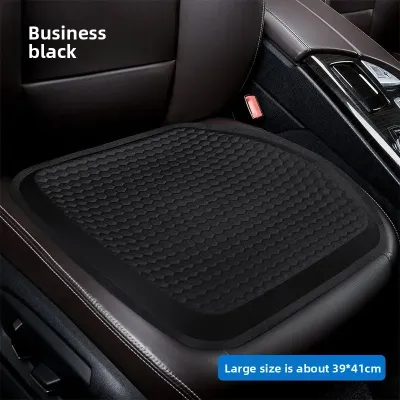
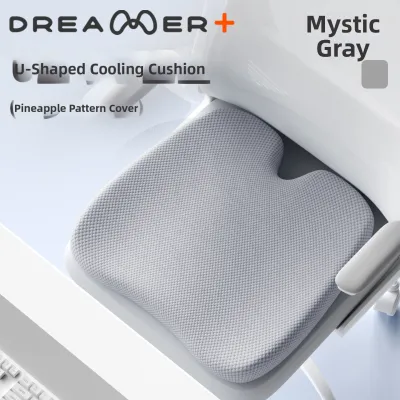
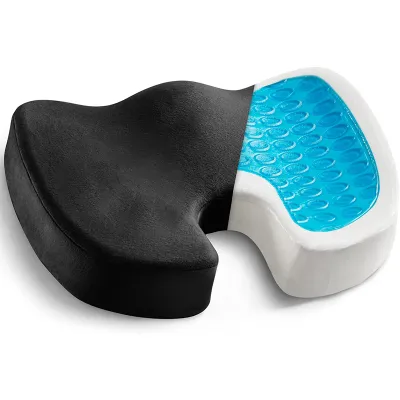
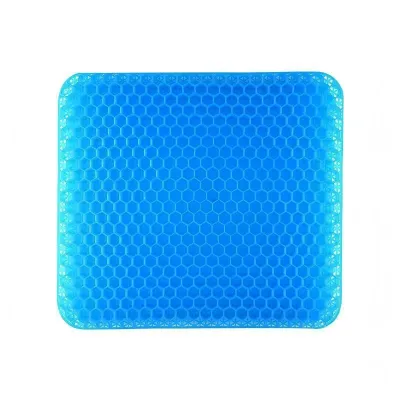

Prices are valid at publication and may change. Please refer to the product page for the latest price.
- Climate and Temperature: Singapore's tropical climate brings year-round high temperatures and humidity. When a car is parked in the sun, cabin temperatures rise rapidly, heating up the seats. The cushion material must handle this heat without becoming uncomfortably hot or trapping sweat against your clothes.
- Driving Habits and Duration: Consider how long you spend behind the wheel. Short city trips may not cause significant heat buildup, but longer drives demand proper pressure distribution and continuous ventilation to prevent discomfort and physical fatigue.
- Maintenance Willingness: Think about how much effort you want to spend on upkeep. Spills, dirt, and sweat accumulate over time. Fabric requires active spot cleaning or machine washing, whereas leather can be wiped down in seconds. Mesh can often be shaken out but can trap small crumbs in its weave.
- Original Seat Features: If your vehicle is equipped with built-in seat heating or active ventilation, placing a thick aftermarket cushion on top can block these pathways. Always check your vehicle manufacturer's guidelines and measure cushion thickness to ensure original functions remain effective.
Leather Seat Cushions: Luxury and Easy Maintenance
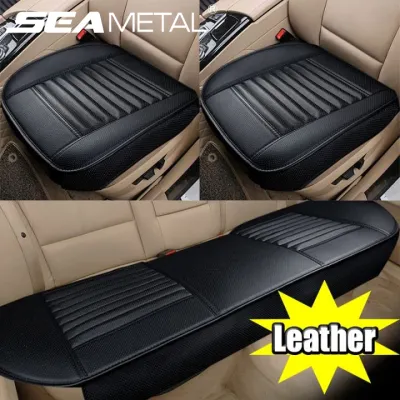
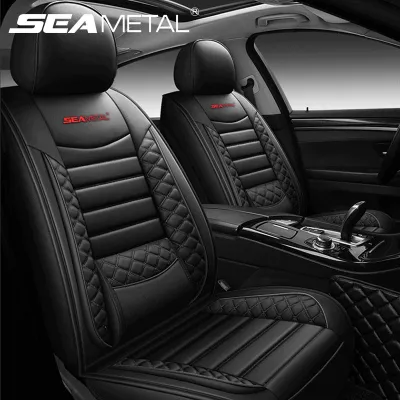
Leather and high-quality synthetic leather (often referred to as PU or PVC leather) are popular choices for drivers who want to maintain or upgrade their vehicle’s interior aesthetic. These materials offer a sleek, premium look that blends seamlessly with modern car cabins, but they come with distinct performance characteristics that you must consider.

- Pros: Leather cushions excel in durability and ease of cleaning. If you spill coffee, water, or soda, the liquid beads on the surface rather than soaking in, allowing you to wipe it away instantly with a damp cloth. They resist wear from friction during entry and exit, making them highly durable over years of daily use. Additionally, they do not retain odors or collect pet hair, which helps keep your cabin smelling fresh.
- Cons: The primary drawback of leather is its thermal conductivity. In direct sunlight, leather absorbs heat rapidly and can become painfully hot to the touch. In humid environments, it lacks natural breathability, which often leads to a sticky feeling against bare skin or light clothing if the cabin air conditioning is not running at full strength.
- Material Nuance: It is important to distinguish between genuine leather and synthetic alternatives like polyurethane (PU) or polyvinyl chloride (PVC). Genuine leather offers slightly better natural breathability but requires dedicated leather conditioners to prevent cracking. Synthetics are highly durable and water-resistant but can trap more heat. Always review the product label to verify the exact material composition and any specific breathability claims before purchasing.
- Best For: Leather cushions are best suited for drivers who prioritize a premium cabin aesthetic, frequently travel with children or pets where spills are common, and consistently operate their vehicle with strong air conditioning to manage cabin temperatures.
Fabric Seat Cushions: Everyday Comfort and Versatility
Fabric cushions, typically made from cotton, polyester, or blended fibers, are the traditional standard for everyday comfort. They offer a soft, inviting texture and a neutral thermal profile that makes them highly reliable in a variety of driving conditions.
- Pros: Fabric cushions offer excellent temperature neutrality. Unlike leather, fabric does not become excessively hot when parked in the sun, nor does it feel freezing on a rainy morning. The material is soft, tactile, and available in an extensive range of colors and patterns to match or customize your vehicle's interior.
- Cons: The main disadvantage of fabric is its susceptibility to staining and liquid absorption. A spilled drink will soak directly into the fibers, requiring immediate attention to prevent permanent stains and deep-seated odors. Over time, friction from daily use can cause fabric to pill, fray, or fade, particularly if exposed to continuous sunlight.
- Maintenance Reality: While many fabric cushions feature removable, machine-washable covers, keeping them clean requires more active effort than simply wiping down leather. For non-removable options, you must use specialized upholstery cleaners and allow ample drying time to prevent mold or musty smells from developing in humid climates.
- Best For: Fabric is ideal for daily commuters seeking consistent, year-round comfort, families looking for a budget-friendly and highly customizable option, and drivers who frequently park in unshaded areas where heat buildup is a constant concern.
Breathable Mesh Seat Cushions: Maximum Airflow for Hot Climates
Breathable mesh cushions are engineered specifically to maximize ventilation and heat dissipation. The open-weave construction allows air to circulate freely between your body and the seat, which significantly reduces perspiration and keeps you dry during long drives in tropical heat.
- Pros: Breathable mesh cushions are engineered specifically to maximize ventilation and heat dissipation. The open-weave construction allows air to circulate freely between your body and the seat, which significantly reduces perspiration and keeps you dry during long drives in tropical heat. They are lightweight, highly flexible, and dry almost instantly if exposed to moisture.
- Cons: Because mesh focuses heavily on airflow, these cushions often provide less plush, sink-in padding than thick fabric or foam-filled leather options. They rely more on ergonomic tension and structural shaping for support. The aesthetic is highly utilitarian, which may not appeal to those wanting a luxury look, and cheap mesh can sometimes snag on clothing buttons or zippers, leading to premature fraying.
- Structural Variations: When shopping, you will encounter simple single-layer mesh overlays and advanced 3D honeycomb mesh structures. Simple overlays offer basic ventilation at a lower cost, while 3D honeycomb designs feature a thicker, spring-like internal matrix that provides both superior weight distribution and an open pathway for continuous airflow.
- Best For: Mesh is the premier choice for drivers operating in hot, humid regions, individuals who struggle with back sweat during commutes, and anyone who values physical cooling and functional ergonomics over soft, pillowy cushioning.
Head-to-Head Material Comparison
To help you quickly weigh these options, the table below compares the three materials across key performance dimensions. Use these qualitative indicators to align your choice with your personal driving environment and daily needs.
| Material | Breathability | Temperature Regulation | Durability | Maintenance Effort | Aesthetic Appeal |
|---|---|---|---|---|---|
| Leather / Synthetic | Low to Moderate | Low (Retains Heat) | High | Low (Wipe-Clean) | Premium / Luxury |
| Fabric / Blends | Moderate | High (Neutral) | Moderate | Moderate to High | Casual / Versatile |
| Breathable Mesh | High | High (Maximum Airflow) | Moderate to High | Low to Moderate | Utilitarian / Sporty |
The Decision Framework: How to Choose
To narrow down your choices, apply this straightforward decision framework based on your specific driving habits, cabin setup, and maintenance preferences.
- Choose Leather if: You want a premium, upscale interior look, need a surface that can be wiped clean instantly after spills, and always run your cabin air conditioning to keep temperatures low.
- Choose Fabric if: You want immediate, soft comfort without worrying about hot seats after parking in the sun, prefer a wide range of colors, and are willing to spot-clean or wash the covers occasionally.
- Choose Breathable Mesh if: You drive frequently in a hot, humid environment, suffer from back sweat, and prioritize active cooling and ergonomic support over plush padding.
- Verify first if: Before completing any purchase, verify the cushion's physical thickness and base dimensions. A cushion that is too thick can alter your driving posture, reduce headroom, or block the sensors and air pathways of your original seats.
Safety, Compatibility, and Installation Checks
When adding any aftermarket accessory to your vehicle’s interior, safety must remain your primary consideration. A poorly chosen or incorrectly installed car seat cushion can compromise critical safety systems and interfere with vehicle operation.
- Side Airbag Compatibility: This is the most critical safety boundary when installing any aftermarket seat accessory. Many modern vehicles feature side-impact airbags integrated directly into the outer bolsters of the front seats. Installing a cushion or cover that wraps around these areas can delay or completely block airbag deployment during a collision. Always check the manufacturer's documentation for your vehicle and ensure the cushion is explicitly labeled as airbag-compatible, featuring open sides or specialized breakaway stitching.
- Anti-Slip and Pedal Interference: A seat cushion must remain firmly anchored to the seat structure. If a cushion slides forward, shifts during cornering, or bunches up near the floorboard, it can interfere with your ability to operate the brake or accelerator pedals safely. Before driving, verify that the cushion utilizes secure straps, chucks, or high-friction backing, and test it to ensure it does not slide under body weight.
- Seat Belt Routing: Ensure that the installation of the cushion does not alter the geometry or access to the seat belt buckle and anchor points. The lap belt must still sit low and flat across your hips, and the shoulder belt must cross your chest correctly without being pushed out of alignment by an oversized cushion.
- Professional Consultation: If you find that a cushion significantly alters your seating height, limits your access to vehicle controls, or triggers any dashboard safety warning lights (such as occupant classification sensors), stop using it immediately. Consult your vehicle's owner manual, contact the manufacturer, or seek advice from a qualified automotive professional to ensure your setup remains fully road-legal and safe.
Frequently Asked Questions (FAQ)
Will a seat cushion interfere with my car's side airbags?
Side airbags typically deploy from the outer seams of your car’s seatbacks. If you use a simple bottom-only seat cushion, it will not interfere with these airbags. However, if you choose a full-wrap cushion or a seat cover that extends up the backrest, it must feature open sides or certified breakaway seams. Always check your vehicle’s owner manual to locate the exact airbag deployment zones and verify that the product does not obstruct them.
How do I prevent my leather seat cushion from sticking to my skin?
To minimize stickiness, run your cabin air conditioning for a few minutes before driving to cool down the leather surface. Applying high-quality UV-blocking window tints to your car can significantly reduce solar heat transfer when parked. If you frequently drive in shorts or lightweight clothing, consider choosing a perforated leather cushion, which allows minimal airflow, or placing a thin, temporary fabric barrier over the seat during the hottest hours of the day.
Can I use a breathable mesh cushion on top of existing leather seats?
Yes, placing a breathable mesh cushion on top of leather seats is an excellent way to introduce airflow to a material that naturally traps heat. However, because leather surfaces are smooth, an unsecured mesh pad can easily slide around when you enter, exit, or turn corners. To ensure safety and comfort, choose a mesh cushion equipped with robust non-slip rubber backing or adjustable anchoring straps that secure tightly around the seat frame.
Community discussion
Share your experience or ask a question. Comments are reviewed before publication.