
Stepping into a vehicle that has been sitting under the tropical sun can feel like entering an oven. The steering wheel is too hot to touch, the leather seats sting, and the air conditioning has to work in overdrive just to make the cabin bearable. While acquiring an auto car shade is one of the most practical and cost-effective ways to combat this heat, many drivers struggle to decide between a front windshield sun shade and side window shades.
The right choice depends on your daily parking environment, your primary passengers, and which parts of your vehicle’s interior you want to protect. By analyzing how and where you park, you can select a shading strategy that keeps your cabin comfortable and preserves your car’s interior components.
Assess Your Parking Habits and Heat Exposure
To determine which auto car shade configuration fits your lifestyle, start by observing your daily parking routines. Vehicles parked in open-air surface lots face a completely different thermal challenge than those parked in covered multi-storey car parks or basement garages. If your car spends most of its day in an outdoor lot, it is subjected to continuous solar radiation that shifts in angle as the sun moves throughout the day.
Products mentioned in this guide
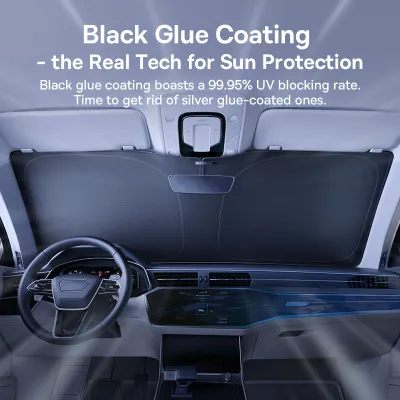
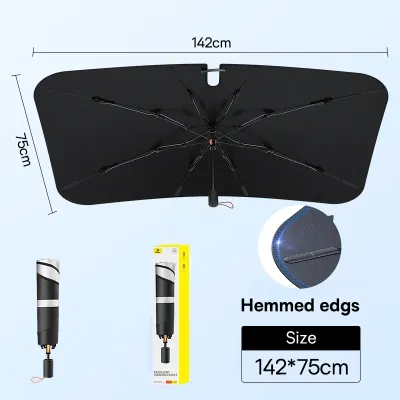
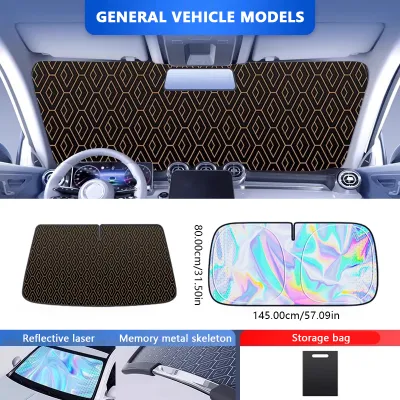
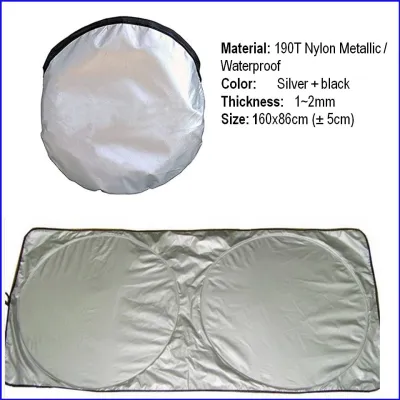
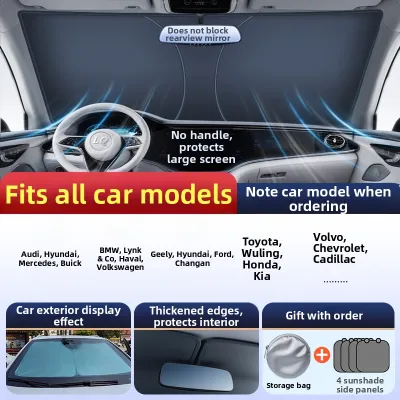
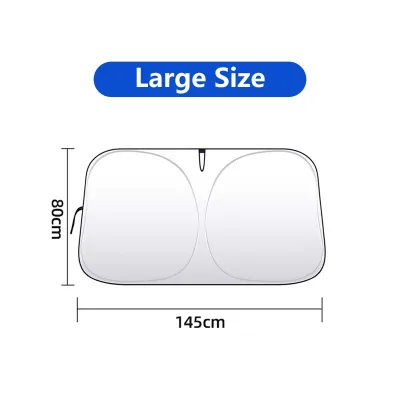
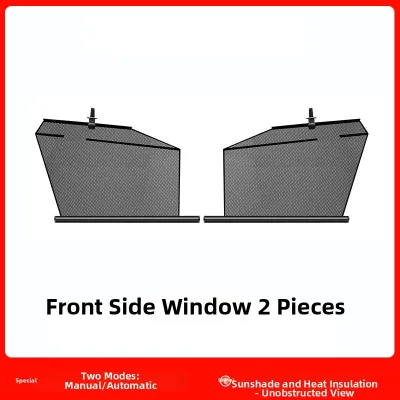
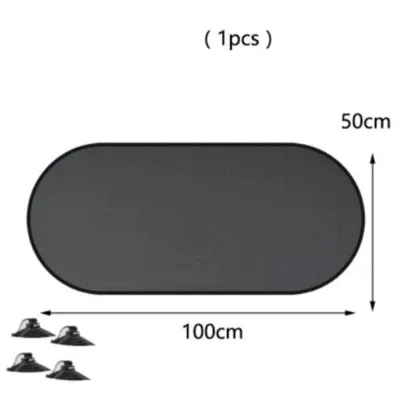
Prices are valid at publication and may change. Please refer to the product page for the latest price.
The orientation of your parked vehicle plays a major role in how heat accumulates. When you park facing east or west, the low-angle morning or afternoon sun streams directly through your side windows, heating up the door panels, seatbelt buckles, and the sides of your seats. Conversely, parking facing north or south often exposes the massive, sloped surface of your front windshield to intense midday sun, allowing radiant heat to penetrate deep into the dashboard and steering wheel.
Take note of the hottest surfaces when you first open your car door. If the steering wheel, gear shift, and digital infotainment screens are painful to touch, your primary heat entry point is almost certainly the front windshield. If you notice that the rear seats, child safety seats, or door armrests are exceptionally hot, or if rear passengers constantly complain about glare during your commute, the side windows are the main culprits. Pinpointing these hot zones allows you to target your protection where it is most urgently needed.
Front Windshield Sun Shades: When They Are the Right Choice
The front windshield is typically the largest single piece of glass on any vehicle, acting as a massive greenhouse panel that lets in enormous amounts of solar energy. A front windshield sun shade is designed specifically to block this primary entry point. By placing a reflective or heat-absorbing barrier directly behind the glass, you prevent solar radiation from reaching the dark, heat-absorbent materials of your dashboard and steering wheel.

Protecting these front cabin elements is crucial for preserving your vehicle’s long-term value. Modern dashboards house sensitive electronics, digital instrument clusters, and touchscreens that can degrade or malfunction when exposed to extreme, repeated thermal cycles. Furthermore, prolonged ultraviolet (UV) exposure causes soft-touch plastics to dry out, fade, and eventually crack. A high-quality front windshield shade acts as a shield, keeping these high-value components in shade and extending their lifespan.
This type of auto car shade is the ideal choice if you frequently park in uncovered areas during peak daylight hours and prioritize overall cabin cooling. Because it blocks the largest glass surface, it offers the most noticeable reduction in ambient cabin temperature upon initial entry.
However, front windshield shades do have limitations. They offer no protection against sunlight entering through the side or rear glass, leaving those areas vulnerable if the sun shifts. Additionally, because of their large size, deploying and folding them can be slightly cumbersome in tight cabin spaces, and they require dedicated storage space—such as behind the front seats or in the trunk—when not in use.
Side Window Sun Shades: When You Need Targeted Protection
While a front windshield shade addresses the largest source of heat, side window sun shades offer targeted protection that directly improves passenger comfort and safety. These shades are particularly essential if you regularly transport passengers in the rear seats, such as children, elderly family members, or pets. Rear passengers are often subjected to harsh side glare and direct UV rays that window tints alone may not fully block.
Side window shades help prevent localized hot spots that can cause physical discomfort or minor contact burns. Metal seatbelt buckles, leather upholstery, and plastic door trim can reach high temperatures when exposed to direct side sunlight. Installing side shades keeps these surfaces cool to the touch, ensuring a safer and more comfortable entry for everyone.
These shades are highly beneficial for drivers who must deal with low-angle sunlight during morning or evening commutes. Depending on the design, some side window shades use a fine mesh material that reduces glare while maintaining outward visibility. If you plan to use side shades while the vehicle is in motion, always verify local transport authority regulations to ensure they do not obstruct the driver’s view or violate road safety laws.
The primary limitation of side window shades is their localized impact. While they are excellent for passenger comfort and protecting specific seating areas, they do not block enough total solar energy to lower the overall ambient temperature of the cabin as effectively as a front windshield shade. Using them in isolation still leaves the massive front dashboard area exposed to intense heat.
Decision Matrix: Matching the Shade to Your Priority
To help you decide which auto car shade setup aligns with your driving habits, consider how each option performs across key categories.
| Feature / Priority | Front Windshield Sun Shade | Side Window Sun Shades |
|---|---|---|
| Primary Cooling Effect | High (blocks the largest glass pane) | Moderate (localized cooling) |
| Interior Protection Focus | Dashboard, steering wheel, electronics | Seats, door panels, seatbelt buckles |
| Passenger Comfort | Reduces overall cabin stuffiness | Blocks direct glare and UV on passengers |
| Usage Scenario | Parked vehicles only | Parked vehicles (some mesh styles allowed while driving) |
| Installation & Storage | Requires folding/unfolding each time | Often semi-permanent or magnetic |
For drivers living in intense tropical climates like Singapore, where outdoor parking spaces offer little relief from year-round heat, combining both types of shades often provides the ultimate protection. Using a front windshield shade keeps the core cabin temperature down, while side window shades protect passengers and rear upholstery from shifting sun angles.
Before purchasing any auto car shade, perform a few quick verification steps. Measure your windows carefully; do not rely solely on generic “one-size-fits-all” labels, as windshield angles and side window shapes vary dramatically between hatchbacks, sedans, and SUVs. Measure the glass area from the inside, noting any obstructions like dashcams or rearview mirror mounts. Finally, check the storage space in your door pockets or under the seats to ensure your chosen shade can be stored conveniently when you are on the road.
Frequently Asked Questions (FAQ)
Do I need both windshield and side window shades?
Whether you need both depends on your parking duration and climate. If you park outdoors for extended periods in high-temperature environments, combining both types offers the most comprehensive heat rejection. However, if you primarily park in shaded structures and only face brief sun exposure, a single front windshield shade is usually sufficient to protect your dashboard and keep the steering wheel touchable.
Will a sun shade damage my car's interior or window tint?
When used correctly, a sun shade will not damage your interior or window tint. However, you should check the manufacturer’s instructions for both the shade and your window film to ensure compatibility. Avoid shades with rough, abrasive edges that could scratch your dashboard or peel the edges of aftermarket window tints during installation and removal.
How do I ensure the sun shade fits my car properly?
To ensure a proper fit, measure the height and width of your windshield glass from the inside of the vehicle, rather than relying on external dimensions. For side windows, check if your car model has magnetic door frames, which allow for custom-fit magnetic shades, or if you need suction-cup or static-cling options. Always verify the retailer’s return policy in case the fit requires adjustment.

Community discussion
Share your experience or ask a question. Comments are reviewed before publication.