
Choosing between a front windshield and a side window retractable sun shade depends on where your vehicle faces the most intense sun exposure and whether your primary goal is protecting the dashboard or keeping passengers comfortable. A front windshield retractable shade blocks the largest single source of solar heat entering your car, making it highly effective at preventing a hot steering wheel and dashboard when parked in open-air spaces. Side window retractable shades, on the other hand, target lateral glare, protect rear passengers or children from direct sunlight while driving, and offer immediate privacy. For drivers navigating tropical heat and open-air parking lots, understanding how these two options function, install, and operate is key to making the right choice.
Heat Reduction and Coverage: Windshield vs Side Window
To manage cabin temperatures effectively, it helps to understand how solar radiation interacts with your vehicle’s glass. The front windshield is typically the largest glass panel on any vehicle, positioned at an angle that invites maximum solar exposure throughout the day. When sunlight passes through this glass, it strikes dark interior surfaces like the dashboard, steering wheel, and front seats. These surfaces absorb the shortwave solar radiation and re-radiate it as longwave infrared heat, which cannot easily escape back through the glass. This process creates a greenhouse effect, rapidly raising the internal cabin temperature.
A front windshield retractable shade acts as a primary barrier, reflecting or absorbing this radiation right at the glass line before it can reach the dashboard. By stopping the heat at the point of entry, you prevent the dashboard from acting as a giant radiator that continues to heat the cabin long after you turn on the air conditioning.
Products mentioned in this guide

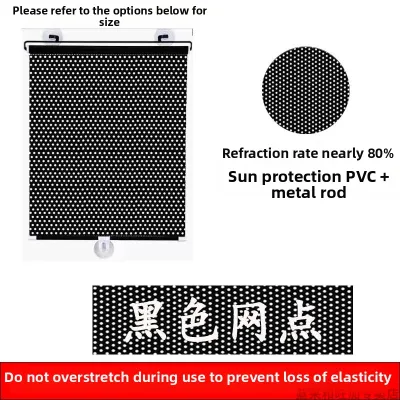
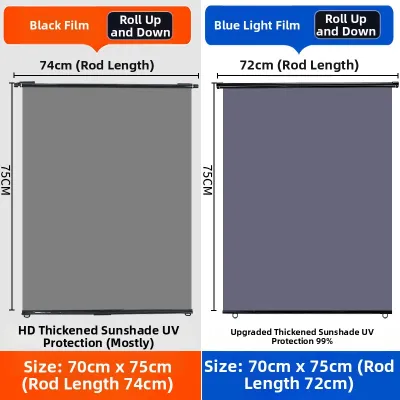
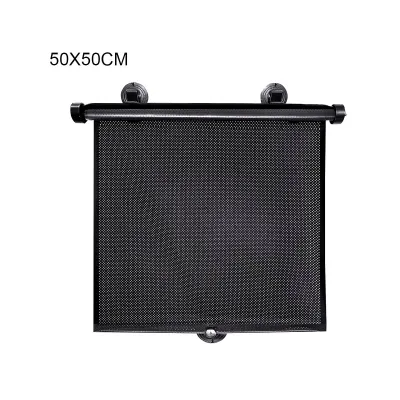

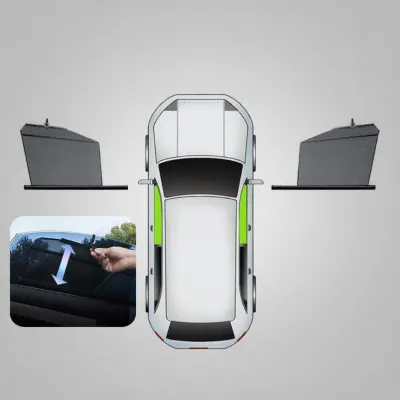
Prices are valid at publication and may change. Please refer to the product page for the latest price.
Side window shades cover smaller, more vertical glass surfaces. While they block less total solar volume than a front windshield shade, they are highly effective at addressing localized heat and lateral glare. This is particularly important for passenger comfort, as direct sunlight streaming through side glass can quickly make rear seats uncomfortable, even with the air conditioning running.
When selecting either type of shade, it is important to evaluate the manufacturer’s specifications for material reflectivity and UV blockage ratings. Look for multi-layered materials, aluminum foil laminates, or specialized reflective coatings rather than assuming all retractable models offer the same thermal performance. High-quality materials help ensure that the heat is reflected outward rather than absorbed and re-radiated into the cabin. While basic mesh designs are excellent for glare reduction while driving, reflective solid materials are far more effective for heat rejection when parked.
Installation, Fitment, and Daily Usability
The convenience of a retractable sun shade lies in its quick deployment, but proper installation is critical to ensure safety and long-term usability. Front windshield retractable units typically mount along the passenger-side A-pillar or sit at the base of the windshield, pulling across or upward to secure. When installing these units, you must verify that the housing and mounting brackets do not obstruct your forward driving view, block the rearview mirror mount, or cover dashboard sensors such as automatic headlight or rain sensors.

Side window retractable shades are usually housed in slim cartridges that mount to the top of the door trim or attach directly to the glass using suction cups or integrated clips. If you choose a model that attaches to the door frame, verify that the retraction mechanism and tracks do not interfere with the window’s travel or damage the rubber door seals. The shade must slide smoothly without catching on the glass as it rolls up or down.
Before finalizing any installation, check the operation of the retraction mechanism. The pull handle should be easy to grasp, and the return spring should retract the shade smoothly without requiring excessive force or snapping back violently. In high-humidity and high-temperature environments, adhesive mounts and suction cups can lose their grip over time. It is wise to inspect these mounting points regularly to ensure the shade housing remains securely attached and does not fall while the vehicle is in motion.
Most importantly, observe all safety boundaries during installation. Stop immediately and consult your vehicle’s manual if any mounting brackets, suction cups, or tracks conflict with interior trim panels containing side curtain airbags or electronic window sensors. Never place any hardware in a position that could impede the deployment of safety restraint systems or interfere with your ability to operate the vehicle safely.
Matching Your Parking Habits to the Right Shade
Your daily routine and where you park your vehicle should heavily influence which shade type you prioritize. If you frequently park in uncovered spaces, such as open-air carparks or exposed workplace lots, your vehicle is subjected to intense overhead and front-facing solar radiation. In this scenario, a front windshield retractable shade is indispensable. It prevents the steering wheel, gear selector, and front seats from reaching temperatures that are painful to touch, allowing you to drive off comfortably without waiting for the cabin to cool down.
Conversely, if your parking spot is situated in a narrow driveway, next to tall buildings, or on the upper decks of a multi-storey carpark where the sun hits the vehicle primarily from the side at a low angle, side window shades may offer more targeted relief. These shades block the low-angle morning or afternoon sun that easily bypasses a front windshield shade.
Additionally, consider whether you need sun protection while the vehicle is in motion. While a front windshield retractable shade must always be fully retracted and stored while driving, certain mesh-style side window retractable shades can remain deployed to protect rear passengers from glare. Always verify local road safety regulations to ensure that any deployed side shades do not compromise the driver’s visibility or block the view of the side mirrors.
For drivers who want a quick, hassle-free departure, retractable shades offer a significant advantage over traditional folding accordion shades. Instead of folding, rolling, and storing a bulky shade in the backseat, a retractable model pulls back into its housing in seconds, making it ideal for busy daily commutes.
Feature Comparison: Windshield vs Side Window Shades
To help you compare the practical differences between these two options, the table below outlines their key design traits and operational characteristics.
| Attribute | Windshield Retractable Shade | Side Window Retractable Shade |
|---|---|---|
| Coverage Area | Large, single front glass panel | Smaller, individual side glass panels |
| Primary Benefit | Prevents dashboard heat buildup and steering wheel burns | Reduces lateral glare, protects passengers, and adds privacy |
| Installation Complexity | Moderate; requires secure mounting near A-pillars or glass edges | Low to moderate; mounts to door trim, window frame, or glass |
| Impact on Visibility | Must be fully retracted while driving; must not block view when stored | Mesh designs may allow partial visibility; must not block side mirrors |
| Ideal Parking Scenario | Uncovered, front-facing parking lots under direct midday sun | Side-facing parking, narrow streets, or active passenger transport |
Decision Framework: Which Retractable Sun Shade to Choose
To make your final decision, assess your vehicle’s specific layout and your daily driving needs against this practical framework.
Choose a windshield retractable shade if:
- Your primary goal is lowering the overall cabin temperature after hours of outdoor parking.
- You want to protect your dashboard, instrument cluster, and front seats from UV-induced fading and cracking.
- You want immediate relief from a burning steering wheel and hot seat belts when entering your car.
- You prefer a permanent, out-of-the-way storage solution that does not occupy passenger space when retracted.
Choose side window retractable shades if:
- You frequently travel with rear passengers, children, or pets who need protection from direct sunlight and glare while driving.
- You want to increase cabin privacy and deter onlookers from viewing items left on the rear seats.
- Your regular parking spots expose the sides of your vehicle to prolonged, low-angle sunlight.
- You want the flexibility to roll the window down slightly while keeping the shade deployed (applicable to frame-mounted models).
Before purchasing any retractable shade, verify the physical compatibility with your vehicle. Measure the exact width and height of your glass panels rather than relying on generic vehicle category recommendations. Check the mounting clearance around your A-pillars, rearview mirror housing, and door seals. If your vehicle features highly curved glass, protruding sensor housings behind the rearview mirror, or complex door trim contours, standard straight-track retractable shades may not fit securely, and alternative sun protection methods may be required. While basic manual shades might cost very little, a durable retractable system typically ranges from S$20 to S$80 depending on the mechanism and materials, making accurate measurement essential to protect your investment.
Frequently Asked Questions (FAQ)
Can I use both windshield and side window retractable shades together?
Yes, combining both types provides the most comprehensive protection against cabin heat buildup. Using a front windshield retractable shade alongside side window shades helps block solar radiation from multiple angles, significantly reducing the thermal load on your vehicle’s interior. This combination is highly recommended if you regularly park in unshaded, open-air carparks for extended periods during peak daylight hours.
Do retractable sun shades interfere with side airbags or window sensors?
They can if they are installed incorrectly. Side window shades mounted to the door frame or pillars must never cross or obstruct the deployment paths of side curtain airbags. Additionally, shades that clip onto the glass or insert into the window channel can interfere with anti-pinch window sensors or damage window seals. Always consult your vehicle’s manual and the shade manufacturer’s installation instructions to verify safe clearance before mounting any hardware.
How do I clean and maintain the retractable mechanism?
Regular maintenance prevents the retraction spring and tracks from jamming. Wipe the shade material with a damp microfiber cloth to remove dust and debris, and allow it to dry completely before retracting. For the tracks or roller mechanism, use a dry brush or compressed air to clear out accumulated dust. Avoid using heavy grease or wet lubricants inside the roller cartridge, as these can attract dirt and cause the mechanism to bind over time.

Community discussion
Share your experience or ask a question. Comments are reviewed before publication.