
The windshield typically admits the most direct sunlight and heat into a parked vehicle, making a windshield sun shade the primary priority for protecting the dashboard and reducing overall cabin temperature. Side window shades provide supplementary protection, focusing on passenger comfort, glare reduction, and preventing UV damage to side door panels. Choosing between a windshield shade, side window shades, or a combination of both depends on your typical parking environment, passenger needs, and local traffic regulations regarding window obstructions.
When a vehicle is parked under the open sky, solar radiation passes through the glass windows and is absorbed by the interior surfaces. These surfaces then radiate this energy as heat, which becomes trapped inside the cabin. Because the windshield is typically the largest and most steeply angled piece of glass on a vehicle, it acts as the primary entry point for solar energy, making front-end protection essential for any driver looking to preserve their vehicle’s interior.
Identifying Your Car's Main Heat and UV Exposure Points
The greenhouse effect inside a parked vehicle is a direct result of total glass surface area. Sunlight enters through the windows as shortwave radiation, which easily penetrates clear or lightly tinted glass. Once inside, this light strikes dark interior surfaces, transforming into longwave infrared radiation, or heat. Because glass is highly efficient at trapping longwave radiation, the heat remains locked inside, rapidly raising the cabin temperature far above the ambient outdoor air.
Products mentioned in this guide

Prices are valid at publication and may change. Please refer to the product page for the latest price.
The angle of your vehicle’s glass plays a critical role in how much direct solar energy enters the cabin. The front windshield is designed with a significant slope to improve aerodynamics, which exposes a massive surface area directly to the sun’s path throughout the day. In contrast, side windows are mounted vertically, meaning they receive intense, direct sunlight primarily when the sun is low on the horizon or when the vehicle is parked at a specific angle relative to the sun.
This constant exposure to ultraviolet (UV) radiation and extreme heat takes a heavy toll on interior materials. Dashboards, steering wheels, and front seat upholstery are highly susceptible to UV degradation. Over time, prolonged exposure causes soft-touch plastics to dry out, lose their plasticizers, and eventually crack. Leather seats can fade, stiffen, and split at the seams, while fabric upholstery loses its color and structural integrity, significantly reducing the vehicle’s resale value and aesthetic appeal.
Evaluating Windshield Sun Shades
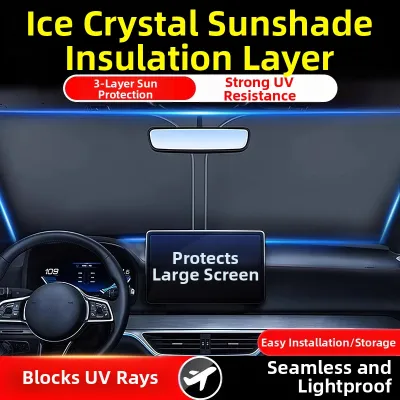
The primary function of a windshield sun shade is to intercept solar radiation before it ever reaches your dashboard. By placing a reflective or highly absorptive barrier directly behind the glass, you prevent the conversion of light into trapped heat. High-quality windshield shades reflect a substantial portion of incoming light back out through the glass, shielding the sensitive electronics housed within the dashboard, such as instrument clusters, infotainment screens, and head-up display projectors.

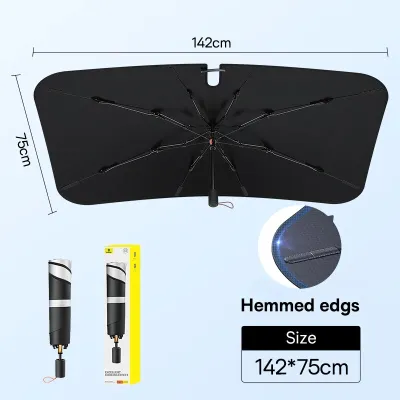
When selecting a windshield shade, storage and deployment are key practical considerations. Folding accordion-style shades are typically constructed from stiff, lightweight materials like bubble-pack foil or cardboard composites. They are highly durable and can be deployed or folded away in seconds, though they tend to occupy a significant amount of space when stored, often requiring placement along the passenger footwell or in the trunk.
In contrast, rolling or spring-wire pop-up designs offer a different set of trade-offs. Spring-wire shades collapse into compact, circular shapes that easily slide into seatback pockets or door bins, making them highly convenient for smaller vehicles. However, they can be more finicky to fold and may not offer the same structural rigidity as thick accordion shades, occasionally sagging in the middle if not properly supported by the vehicle’s sun visors.
While windshield shades are highly effective at protecting the front cabin, they do have inherent limitations. They leave the side panels, rear seats, and the sides of the steering wheel exposed to indirect glare and ambient heat entering through the side and rear glass. If your vehicle is parked sideways to the sun’s path, a front windshield shade alone will do little to prevent the cabin from heating up or to protect rear-seat passengers from intense side-angle glare.
Evaluating Side Window Shades
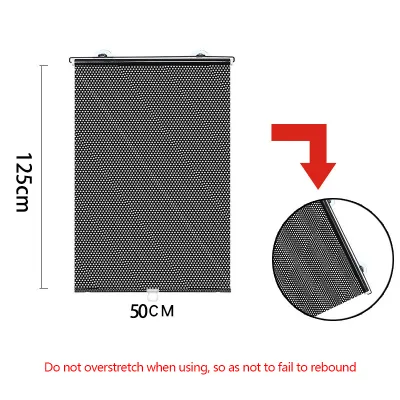
Side window shades serve a distinct purpose, focusing primarily on passenger comfort, side glare reduction, and UV protection for rear-seat occupants and door panels. These shades are particularly valuable for families traveling with infants or young children in the back, as they block the harsh, direct sunlight that can cause discomfort, eye strain, and skin irritation during long drives. They also protect side door trim, armrests, and rear upholstery from localized UV damage.
There are several common mounting types for side window shades, each with observable installation features and reusability profiles. Static cling films adhere directly to the glass using static electricity, requiring no adhesives or mechanical fasteners. They offer a clean, low-profile look and allow the window to be rolled down slightly in some configurations, though they can be difficult to apply without trapping air bubbles and may lose their cling over time due to dust accumulation.
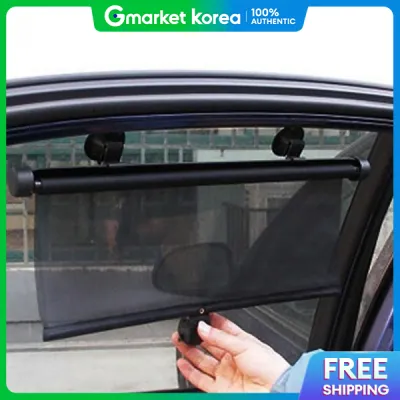
Suction cup mesh shades are highly affordable and exceptionally easy to install or remove. They attach to the glass via small rubber suction cups, making them highly portable and easy to transfer between vehicles. However, the suction cups can lose suction in extreme heat, and these shades must be removed entirely before rolling down the window to prevent them from getting sucked into the door cavity.
Magnetic frame shades represent a more premium, custom-fit option. These shades feature a flexible frame with embedded magnets that snap directly onto the metal window frame of the vehicle door. This design allows you to roll the window down fully for fresh air while keeping the shade securely in place to block insects and sunlight. However, they are vehicle-specific and will not work on cars with frameless doors or non-magnetic aluminum door frames.
Regardless of the mounting style, visibility restrictions are a critical consideration. Physical shades on the front side windows can severely obstruct the driver’s view of the side mirrors and blind spots, creating a significant safety hazard. It is essential to check local traffic regulations, which typically prohibit any physical obstructions or heavy tinting on the front side windows while the vehicle is in motion.
Windshield vs. Side Window Shades: Specification Comparison
To help you determine the right configuration for your vehicle, the table below compares the key observable features of windshield and side window shades.
| Feature | Windshield Sun Shades | Side Window Shades |
|---|---|---|
| Coverage Area | Entire front windshield glass | Individual side door windows |
| Primary Function | Primary heat barrier and dashboard UV shield | Supplementary glare reduction and passenger comfort |
| Installation Effort | Quick manual placement behind visors | Varies by mount (magnetic, suction, or static cling) |
| Storage Footprint | Moderate to large (requires footwell or trunk space) | Small to minimal (fits in door pockets or seatbacks) |
| Best Suited For | Daily outdoor parking, solo drivers, dashboard protection | Families, rear-seat passengers, long-distance travel |
Decision Framework: Which Car Shade Setup Do You Need?
Choosing the right shade setup depends on your specific driving habits, passenger requirements, and parking conditions. You can use the following guidelines to determine the best approach for your vehicle.
Choose a windshield shade only if you primarily park facing the sun, prioritize protecting your dashboard and front-seat electronics, and want a quick, single-piece setup that can be deployed in seconds during short stops. This is the most common setup for daily commuters who park in open-air lots during the day and want to keep their steering wheel cool enough to touch.
Choose side window shades only if your windshield already features a high-quality, professionally installed UV-blocking tint that complies with local regulations, but your rear-seat passengers still require localized glare reduction. This setup is ideal for drivers who frequently carry children or pets in the back and want to create a shaded, comfortable environment without blocking the front windshield.
Choose both a windshield shade and side window shades if you regularly park outdoors for extended periods in high-heat environments, frequently transport passengers in the rear seats, or want comprehensive, 360-degree protection for your vehicle’s interior. Combining both types of shades creates a highly effective barrier that minimizes heat transfer from all angles, preserving your car’s cabin materials and reducing the load on your air conditioning system.
Before purchasing any shade, verify first if your vehicle is equipped with advanced driver-assistance systems (ADAS), rain sensors, or cameras mounted near the rearview mirror. Thick, rigid windshield shades can press against these sensor housings, potentially misaligning the cameras or causing damage to the delicate mounting brackets. Look for shades with a dedicated cutout or a flexible hook-and-loop strap designed to clear the rearview mirror assembly safely.
Pre-Purchase Checks for Car Shades
Before finalizing your purchase, it is crucial to perform a few basic checks to ensure compatibility, safety, and optimal performance. First, measure your windshield and side windows carefully, comparing your measurements against the manufacturer’s stated dimensions. Do not rely solely on generic sizing categories like “medium” or “large,” as windshield shapes and angles vary significantly between compact cars, SUVs, and trucks. Proper sizing ensures adequate overlap at the edges, preventing light leaks that can let in heat.
Next, check the product labels for stated UV blocking capabilities and material safety. Look for shades that specify high UV reflection rates, and ensure the materials used are rated for high-heat environments. Low-quality plastics or adhesives can off-gas harmful chemical fumes when exposed to extreme cabin temperatures, leaving a greasy residue on the inside of your glass and entertainment screens.
Finally, ensure that any deployed shade does not interfere with the vehicle’s physical controls or safety systems. Removable side shades must never block your view of the side mirrors while driving. If you are using magnetic or cling shades on the rear windows, verify that they do not interfere with the window regulator mechanism or catch on the rubber weatherstripping when the glass is raised or lowered.
Frequently Asked Questions (FAQ)
Can I use a windshield sun shade while driving?
No, you must never use an opaque windshield sun shade while the vehicle is in motion. Doing so completely blocks your forward vision, creating an immediate and severe safety hazard. Opaque windshield shades and front side window shades are strictly designed for stationary, parked vehicles only. If you require sun protection while driving, rely on your vehicle’s built-in sun visors or legally compliant window tinting that meets the visibility and light-transmission standards set by your local transport authority.
Do I need custom-fit or universal car shades?
Custom-fit shades are designed specifically for your vehicle’s exact make, model, and year, offering edge-to-edge coverage with no gaps, a neat appearance, and dedicated cutouts for rearview mirrors and sensor housings. However, they are typically more expensive. Universal shades are highly affordable and can be transferred between different vehicles, but they often leave gaps around the edges where heat and light can enter, and they may sag if they do not match the contours of your windshield.

Community discussion
Share your experience or ask a question. Comments are reviewed before publication.