
Navigating Singapore’s busy expressways requires a reliable, hands-free view of your smartphone’s GPS. However, many drivers find their suction cup phone holders suddenly losing grip and crashing down, especially after the car has been parked in an open-air carpark. While a suction cup car phone holder can stay secure in Singapore’s intense heat, doing so requires choosing the right materials, preparing the mounting surface meticulously, and performing regular maintenance. Standard, low-cost suction mounts often fail under the combined assault of high ambient temperatures and tropical humidity, but understanding the physics of vacuum seals can help you select a setup that remains firmly in place.
How Singapore's Heat and Humidity Affect Suction Cup Holders
To understand why these mounts fail, it helps to look at how a suction cup works. The cup relies on a pressure differential, where the air pressure outside the cup is higher than the partial vacuum created inside. When your vehicle is parked under the direct afternoon sun in Singapore, cabin temperatures can quickly climb well above outdoor ambient levels, sometimes exceeding 60 degrees Celsius. This extreme heat causes standard polyvinyl chloride (PVC) or cheap rubber suction cups to soften and lose their structural rigidity. As the material becomes overly pliable, it stretches and deforms, allowing microscopic gaps to form along the outer edge and letting air seep into the vacuum chamber.
The materials making up your car’s dashboard also react to this thermal stress. Modern dashboards are typically constructed from synthetic polymers, vinyl, or leather, which expand slightly when heated. This expansion can alter the texture of the mounting surface, breaking the airtight seal. Additionally, prolonged exposure to ultraviolet (UV) radiation and high temperatures can cause some dashboard plastics to undergo outgassing. This process releases a thin, oily residue onto the surface of the dashboard, which acts as a lubricant, reducing friction and causing the suction cup to slide or peel away under the weight of your phone.
Products mentioned in this guide
![🇸🇬[Ready Stock] Long Arm 17mm ball Car Phone Holder Adjustable Windshield Mount Dashboard Phone Stand Accessories with Strong Sticky Washable Suction Cup](https://img.lazcdn.com/g/p/cc18a61a496a7290765dff95e49ab029.jpg_400x400q80.jpg_.webp)
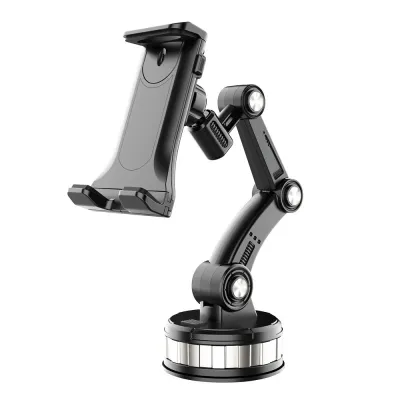
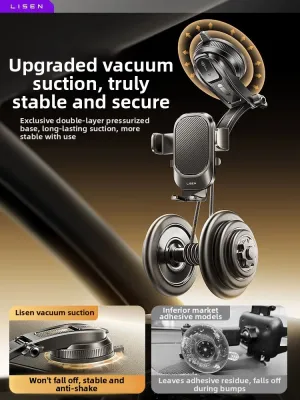
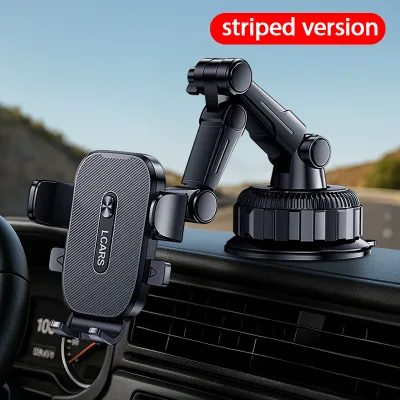
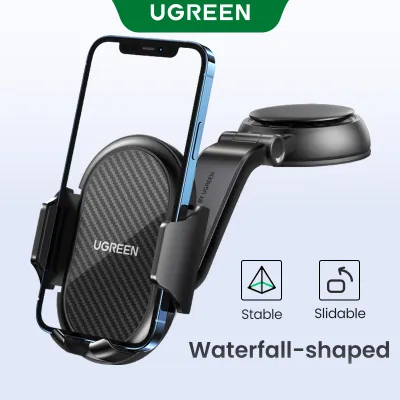
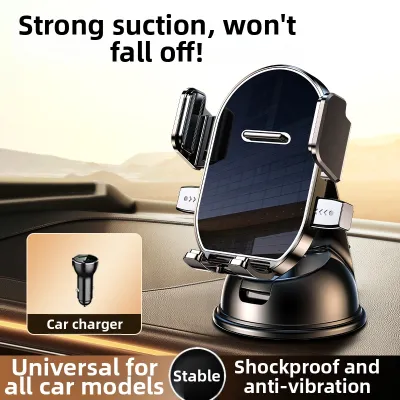


Prices are valid at publication and may change. Please refer to the product page for the latest price.
Singapore’s high relative humidity adds another layer of difficulty. Moisture in the air can condense on the windshield or dashboard surface, particularly during sudden temperature shifts, such as when you turn on the air conditioning after the car has been baking in the sun. This microscopic layer of water can seep under the edges of the suction cup, disrupting the dry seal and causing the mount to slip. Over time, the constant cycling between hot, humid outdoor air and cool, dry air-conditioned cabin air weakens the adhesion of even relatively sturdy suction mounts.
What to Look for in a Heat-Resistant Suction Cup Holder
When shopping for a suction cup mount that can withstand tropical climates, material composition is the most critical factor. Look for mounts featuring high-temperature silicone suction cups rather than standard PVC. Silicone retains its elasticity and structural integrity across a much wider temperature range, meaning it will not melt, turn sticky, or become excessively soft when your car is parked in direct sunlight. While silicone mounts may carry a slightly higher price point, their resistance to thermal degradation makes them far more reliable over the long term.

Another key feature to look for is a reusable sticky polyurethane gel pad integrated into the base of the suction cup. This gel layer does not rely solely on vacuum pressure; instead, it physically conforms to the microscopic textures, grain patterns, and imperfections of your dashboard or windshield. The gel acts as a physical gasket, sealing out air and moisture even as the dashboard expands and contracts with temperature changes. When the gel eventually accumulates dust and loses its tackiness, it can typically be restored by rinsing it under warm water and letting it air dry.
The mechanical design of the mount also plays a vital role in maintaining a secure hold. Avoid simple push-down suction cups that rely entirely on the natural elasticity of the rubber to maintain a vacuum. Instead, opt for mounts equipped with a multi-stage mechanical locking lever. This lever physically pulls the center of the suction cup upward, creating a powerful vacuum that remains locked in place even if the outer material softens slightly under the heat.
Finally, pay close attention to the structural design of the mount’s arm and joints. Long, telescoping arms are convenient for positioning your phone closer to your line of sight, but they also act as levers, multiplying the physical forces and vibrations acting on the suction base. In high temperatures, the internal lubricants in ball joints can thin out, and plastic adjustment collars can expand, leading to a drooping phone. Choosing a mount with a shorter, sturdier arm and robust, screw-tightened locking collars will minimize vibration and prevent the mount from sagging during your drive.
How to Install and Maintain Your Mount in a Hot Climate
Proper installation is just as important as choosing the right hardware. Before mounting your phone holder, you must thoroughly clean the target surface to remove dust, oils, and dashboard dressings. Many car owners use interior protectants or silicone-based sprays to keep their dashboards looking shiny, but these products leave a slick film that prevents suction cups and gel pads from adhering. Clean the area using a mild soap solution or a dedicated interior cleaner. If you plan to use isopropyl alcohol for a deeper clean, always consult your vehicle’s owner manual first, as alcohol can dry out, discolor, or damage certain soft-touch plastics, vinyl, or leather surfaces.
Placement also dictates how long your mount will survive. Whenever possible, avoid mounting the suction cup directly in the path of concentrated, intense sunlight, such as the middle of the windshield. Instead, look for shaded areas or positions lower down on the dashboard where the vehicle’s structural pillars or window tinting provide some relief from direct solar radiation. If you must mount it on the windshield, placing it near the top edge where the ceramic dot matrix (the black patterned border) is located can sometimes offer a flatter, slightly cooler surface, though you must ensure it does not obstruct your view of the road.
Routine maintenance will prevent unexpected failures while you are driving. Make it a habit to inspect the edges of the suction cup every few weeks. If you notice the edges lifting or the mechanical lever feeling loose, release the lock, remove the mount, and clean both the mounting surface and the suction cup. If your mount features a sticky gel pad, wash it with mild dish soap and warm water to remove accumulated dust, then let it air dry completely before reinstalling. This simple routine restores the adhesive properties and ensures the vacuum seal remains airtight.
You should also know when it is time to retire a mount. Over years of exposure to Singapore’s climate, plastics and rubbers will inevitably degrade. If you notice the suction cup has become permanently deformed, yellowed, cracked, or sticky to the touch, it has reached the end of its lifespan. Continuing to use a degraded mount risks damaging your dashboard’s surface or causing your phone to fall while you are navigating heavy traffic, creating a dangerous distraction.
Alternative Mounts When Suction Cups Fail
If your vehicle’s dashboard has a highly textured surface, or if you simply want to avoid the hassle of maintaining a suction cup, several alternative mounting solutions are available. One popular option is the air vent clip mount. These mounts attach directly to the slats of your car’s air conditioning vents. The primary advantage of this design is that the cool air flowing from the vent directly cools your smartphone, preventing it from overheating while running intensive GPS navigation apps. However, you must ensure the vent blades are sturdy enough to support the weight of your phone, and be aware that the mount will partially block cabin airflow.
Another highly stable alternative is a CD slot mount or a dedicated dashboard seam mount. If your car’s head unit features a CD player that you no longer use, a CD slot mount inserts an expanding wedge into the slot, providing a secure mechanical anchor that does not rely on adhesives or suction. Similarly, custom-fit seam mounts clip into the tight gaps between dashboard panels. These options offer exceptional stability and eliminate the risk of surface damage, though they are highly dependent on your specific vehicle’s interior layout.
Adhesive dashboard pads are also widely available, utilizing double-sided foam tape to secure a mounting base. While these provide a very strong hold, they carry significant risks in hot climates. The intense heat inside a parked car can cause the adhesive to soften, slide, or chemically react with the dashboard material. When you eventually attempt to remove the adhesive pad, it may leave behind a stubborn, sticky residue, or worse, tear away the top layer of your dashboard’s vinyl or leather trim.
Protecting Your Phone from Overheating During Navigation
While keeping your phone holder secure is crucial, protecting the phone itself is equally important. Running a GPS navigation app, keeping the screen on at high brightness, and charging the battery simultaneously generates a massive amount of internal heat. When you combine this internal heat with the external thermal energy of the sun shining through the windshield, your smartphone can quickly reach its thermal limits. This triggers thermal throttling, which slows down the phone’s performance, dims the screen automatically, or causes the device to shut down entirely to protect its battery.
To prevent this, try to position your mount so that the phone benefits from indirect airflow from your car’s air conditioning vents. Even if you are not using an air vent mount, placing a dashboard or windshield mount near an active vent can help dissipate heat from the back of the phone. Avoid placing the phone in direct sunlight for extended periods; if the sun is shining directly on the screen, consider using your vehicle’s sun visor or adjusting the mount’s angle to keep the device in the shade.
You can also manage your phone’s settings to reduce heat generation. Lower your screen brightness to the minimum comfortable level, or rely on voice prompts for navigation so you do not have to keep the screen on constantly. Close unnecessary background applications to reduce processor load, and consider downloading offline maps of Singapore before your journey to minimize cellular data usage, which is a major contributor to battery heat. If your phone is already hot to the touch, avoid fast-charging it until the cabin has cooled down.
Frequently Asked Questions (FAQ)
Can I leave the suction cup phone holder attached to the windshield overnight?
Leaving your suction cup mount attached to the windshield overnight is generally not recommended, especially if your car is parked outdoors. As the temperature drops overnight, the air inside the vacuum chamber contracts, and the materials of both the suction cup and the glass cool down at different rates. This thermal contraction can weaken the seal, causing the mount to fall off during the night. When you return to your car the next morning, you may find your mount on the floor, or worse, the sudden drop could have damaged the suction cup itself. If you park in an unshaded area, it is advisable to release the mechanical lock and store the mount in your glove compartment when not in use.
Will a suction cup damage a leather or soft-touch dashboard in the heat?
Yes, mounting a suction cup directly onto a leather, vinyl, or soft-touch dashboard in hot climates carries a high risk of permanent damage. The combination of suction pressure and high cabin temperatures can stretch and deform these pliable materials, leaving a permanent circular indentation. Furthermore, if the suction cup features a sticky gel pad, the adhesive chemicals can react with the dashboard’s surface coatings under extreme heat, leading to discoloration or peeling when the mount is removed. To protect your vehicle’s interior, always use a rigid, non-adhesive dashboard disk that adheres via a gentle, heat-resistant adhesive, or stick to mounting the suction cup directly on the glass windshield.

Community discussion
Share your experience or ask a question. Comments are reviewed before publication.