
In Singapore’s tropical climate, parking your car under the intense sun can turn the cabin into a greenhouse, with temperatures rapidly climbing far higher than the outdoor air. This extreme heat is the primary culprit behind why your car suction mount repeatedly detaches from the windshield or dashboard. The combination of intense ultraviolet (UV) radiation, high humidity, and thermal expansion creates a hostile environment for the flexible materials that rely on a perfect vacuum seal to hold your mobile phone or navigation device in place.
Understanding the physical forces at play is the first step toward solving this daily frustration. When a suction cup is applied to a surface, it relies on a pressure differential—the air pressure outside the cup must be significantly higher than the pressure inside the sealed pocket. When heat enters the equation, it disrupts this delicate balance, causing materials to expand, air to expand, and seals to fail. Fortunately, by understanding how these environmental factors interact with your vehicle’s interior, you can take practical steps to restore a reliable grip or choose suitable alternatives that withstand the local climate.
Common Reasons Your Suction Mount Fails in Hot Weather
The primary physical mechanism behind a failing suction mount is the thermal expansion of trapped air. When you first install a suction cup, a tiny amount of air inevitably remains trapped within the microscopic pockets between the flexible cup and the mounting surface. As the cabin of your vehicle heats up under the direct sun, this trapped air expands in volume and exerts outward pressure. Once this internal pressure equals or exceeds the external atmospheric pressure holding the cup in place, the vacuum seal is compromised, and the mount falls off.
Products mentioned in this guide
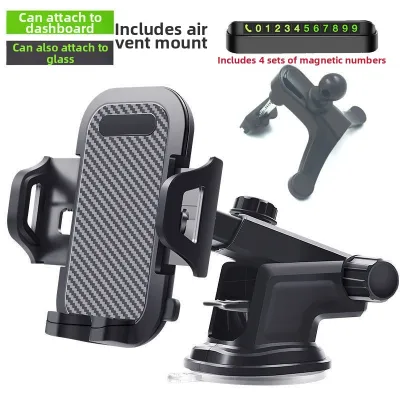
![[allmobiles] 360 Rotatable Car Windscreen Suction Cup Mount Mobile Phone Holder Bracket Stand](https://img.lazcdn.com/g/p/b653bdcdc833cf2a61136a65cc1b5dce.jpg_400x400q80.jpg_.webp)
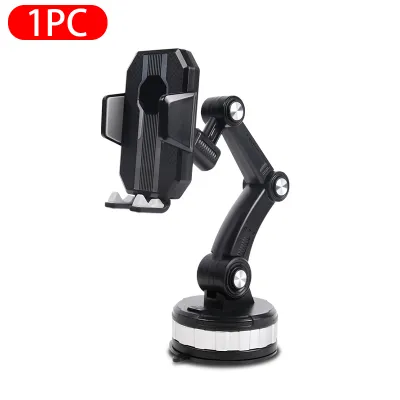

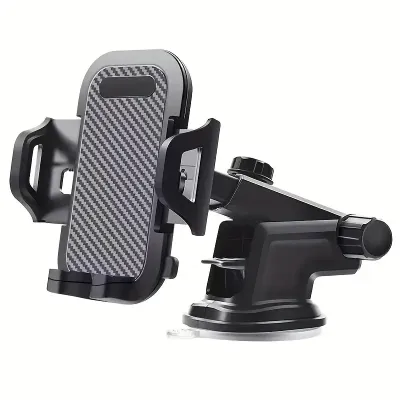

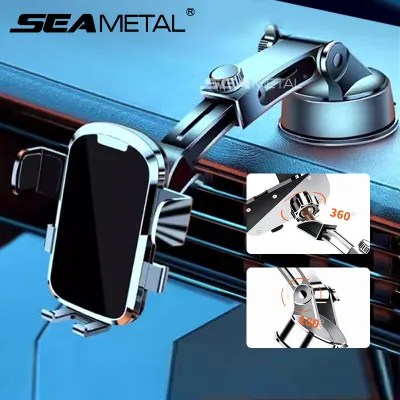
Prices are valid at publication and may change. Please refer to the product page for the latest price.
Material degradation is another significant factor accelerated by the local climate. Most suction cups are made of flexible polyurethane, silicone, or soft polyvinyl chloride (PVC). Prolonged exposure to high temperatures and UV radiation causes these polymers to undergo chemical changes, leading to plasticizer migration. Over time, this results in the material hardening, warping, cracking, or losing its essential elasticity. A hardened or deformed suction cup can no longer conform to the microscopic imperfections of the glass or dashboard, making a lasting vacuum seal impossible to maintain.
The mounting surfaces themselves also change when exposed to extreme heat. Windshields experience thermal expansion, which can subtly alter the glass curvature or cause micro-movements that disrupt the seal. On the dashboard, high temperatures cause synthetic materials and vinyls to release gases—a process known as off-gassing. This gas can accumulate directly beneath the suction cup, increasing pressure inside the vacuum pocket until the mount detaches. Additionally, airborne dust and interior humidity settle on these surfaces, creating a microscopic barrier that prevents a flush seal.
Finally, micro-leaks are the silent killers of suction grip. Even if a surface looks smooth, it may contain micro-scratches, textured patterns, or uneven contours, especially on textured plastic or leather-look dashboards. When a suction mount is applied over these imperfections, or is slightly misaligned during installation, a microscopic pathway is left open. Under normal conditions, the seal might hold temporarily, but as soon as heat expands the materials, these micro-leaks widen, allowing external air to rush in and release the mount.
Step-by-Step Guide to Reattaching and Securing the Mount
To restore a reliable hold, you must begin with a clean slate by preparing both the mounting surface and the suction cup itself. Start by cleaning the windshield or dashboard surface using manufacturer-approved cleaning methods. It is crucial to check your vehicle’s owner manual before applying any chemical cleaners, as certain solvents can permanently damage aftermarket window tinting films, anti-glare coatings, or delicate dashboard materials. For most glass surfaces, a clean microfiber cloth dampened with water or a mild, tint-safe glass cleaner is sufficient to remove accumulated oils, dust, and off-gassing residues.

Next, focus on restoring the physical properties of the suction cup. If the material has become stiff but is undamaged, you can often restore its pliability using warm water. Rinse the suction cup under warm running water, or submerge it in warm water for a few minutes, strictly following the product’s material care labels to avoid warping. This process washes away embedded dust and softens the polymer, allowing it to become flexible enough to form a tight seal. Allow the suction cup to air-dry completely; avoid paper towels or cloths that leave lint behind.
When you are ready to reinstall the mount, timing and technique are key. Choose a time when the vehicle cabin is relatively cool, such as early morning or in a shaded parking structure, to avoid immediate thermal shock. Position the mount on the prepared surface and press firmly from the center of the suction cup outward. This outward pressure is essential to expel trapped air from the center before the edges seal. While maintaining this pressure, fully engage the locking lever or mechanism if present, which mechanically pulls the center of the cup upward to create a deep vacuum.
Once the mount is locked in place, resist the temptation to immediately attach your phone or navigation device. Allow the suction mount to set and stabilize at the current cabin temperature for at least a few hours, or ideally overnight. This waiting period allows the flexible material to settle into the microscopic contours of the surface and ensures that the initial vacuum seal is stable before it is subjected to the physical weight and vibration of a device during travel.
Preventive Measures to Keep Your Mount Attached
Preventing suction failure over the long term requires managing the environmental conditions inside your vehicle. One of the most effective habits is using a high-quality windshield sunshade whenever you park in open, unshaded areas. By placing a reflective sunshade across your windshield, you block direct UV rays from striking the suction mount and significantly lower the peak temperatures reached on the glass surface. Whenever possible, prioritize parking in shaded areas, multi-story car parks, or basement parking lots to keep the overall cabin temperature within a moderate range.
Routine visual inspections should become a regular part of your vehicle maintenance habits. Periodically examine the suction cup for early signs of material fatigue, such as whitening of the plastic, fine cracks along the edges, or a permanent loss of flexibility. If you notice that the cup remains stiff even after cleaning or has developed a yellowed, brittle texture, these are clear indicators that the material has reached the end of its useful lifespan and will continue to fail regardless of how thoroughly you clean the surface.
Another simple preventive habit is to periodically re-press and re-lock the suction cup. Over weeks of driving, minor pressure changes, vehicle vibrations, and material creep—the tendency of solid materials to slowly deform under mechanical stress—will naturally weaken the vacuum seal. Every few weeks, simply release the locking lever, press the mount firmly against the surface to expel any accumulated micro-bubbles of air, and re-engage the lock. This proactive adjustment resets the vacuum before it has a chance to fail completely while you are driving.
Additionally, keep the mounting surface free from aftermarket cosmetic treatments. While dashboard dressings, protectants, and interior polishes make your cabin look clean, they often leave behind a thin layer of silicone, oil, or wax. These chemical residues can act as lubricants, causing the suction cup to slide, or they can slowly break down the vacuum seal by preventing the rubber from adhering directly to the substrate. If you use these products, thoroughly clean the specific mounting zone with a residue-free cleaner afterward.
When to Replace the Mount or Switch to Alternatives
There comes a point when no amount of cleaning or resetting will restore a failing suction mount. If you observe irreversible physical damage to the suction cup—such as deep tears, permanent warping where the edges curl upward, or severe hardening that prevents the cup from flattening—the mount must be replaced. Attempting to use a compromised mount poses a safety risk, as a sudden failure while driving can distract you, block your view, or cause your device to fall and interfere with the vehicle’s foot pedals.
Before purchasing a replacement suction mount, consult your vehicle’s owner manual and inspect your windshield for specific coatings or aftermarket modifications. Many modern vehicles feature specialized acoustic glass, infrared-reflecting coatings, or aftermarket solar films that can be easily damaged by the high localized pressure of a suction cup or the heat buildup beneath it. Furthermore, soft-touch dashboard materials or leather-wrapped panels are highly susceptible to permanent indentation or discoloration from suction bases and integrated adhesive pads, making suction mounts unsuitable for these surfaces.
If your vehicle’s interior layout or windshield characteristics make suction mounts impractical, consider alternative mounting solutions. Air vent clips keep your device within reach while benefiting from the cooling airflow of the air conditioning system. CD slot mounts utilize the mechanical stability of an unused CD player slot, providing a secure hold without touching the glass. Alternatively, dedicated mechanical bases that bolt into console seams or weighted friction dash pads offer excellent stability. When choosing any alternative, verify its compatibility with your vehicle’s layout and ensure the device does not block your view or obstruct airbag deployment zones.
If you notice stress cracks forming on your windshield, or if your dashboard material shows signs of lifting or tearing under pressure, stop all installation attempts immediately. Do not attempt to force a mount onto a compromised surface. In these situations, consult a qualified automotive professional or windshield specialist to assess the structural integrity of your glass before mounting any heavy accessories.
Frequently Asked Questions (FAQ)
Can I use strong adhesives to fix a failing suction cup?
No, you should never use strong chemical adhesives, superglues, or permanent double-sided tapes to secure a failing suction cup to your vehicle’s interior. These adhesives can cause permanent, irreversible damage to your windshield’s aftermarket solar films, integrated defroster lines, or radio antennas embedded in the glass. On dashboards, strong adhesives can melt synthetic plastics, tear leather surfaces, or leave behind a hardened residue that is extremely difficult to remove without causing further cosmetic damage. Using unauthorized chemical agents can also void your vehicle’s warranty or the warranty of the mount itself. If a suction cup has failed structurally, it is far safer and more cost-effective to replace the mount or transition to a dedicated mechanical alternative.
How does running the air conditioning affect the suction grip?
Running your vehicle’s air conditioning can have a significant impact on the stability of your suction mount due to rapid temperature changes. When you enter a hot car and turn the air conditioning to its maximum setting, directing the cold air vents straight toward a hot windshield or dashboard causes rapid thermal contraction. Because the glass, the plastic mount body, and the flexible suction cup material all contract at different rates when cooled, this sudden thermal shock can instantly break the vacuum seal. To maintain mount stability, it is best to cool the cabin gradually. Redirect your air conditioning vents away from the windshield and the mounting area, allowing the overall cabin temperature to lower evenly so that the materials can adjust without sudden physical stress.

Community discussion
Share your experience or ask a question. Comments are reviewed before publication.