
The choice between a factory-installed navigation system and a smartphone paired with a car phone holder mount depends entirely on your priorities behind the wheel. Built-in systems offer seamless dashboard integration and a clutter-free cabin, while phone-based navigation provides superior real-time traffic routing, frequent map updates, and app flexibility. This guide compares both setups across convenience, cost, and safety to help you decide which solution best fits your daily driving needs in Singapore.
Navigating Singapore’s dense urban landscape requires quick decision-making, especially when dealing with dynamic Electronic Road Pricing (ERP) gantries, sudden lane closures, and heavy peak-hour traffic. While older vehicles relied heavily on dedicated GPS units, modern drivers face a choice between integrated dashboard technology and highly adaptable mobile applications. Each approach has distinct advantages depending on how you interact with your vehicle’s console.
Understanding the practical trade-offs of each system ensures you do not spend unnecessary money on features you will not use. Whether you are driving a brand-new vehicle equipped with the latest digital cockpit or keeping a reliable older car running, choosing the right navigation setup directly impacts your daily comfort, safety, and focus on the road.
Products mentioned in this guide

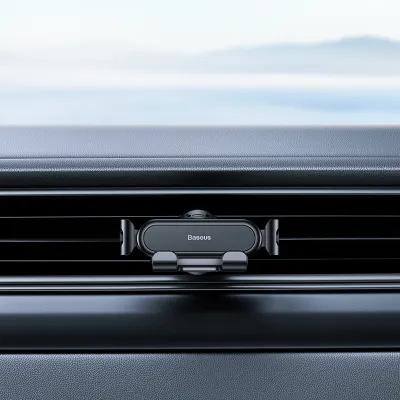
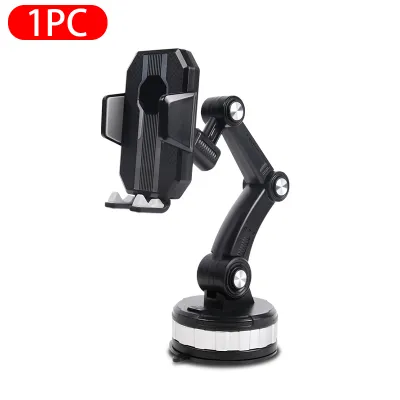
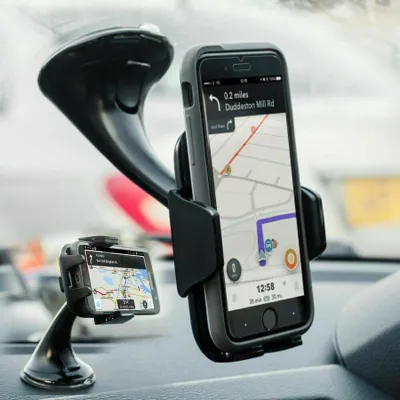


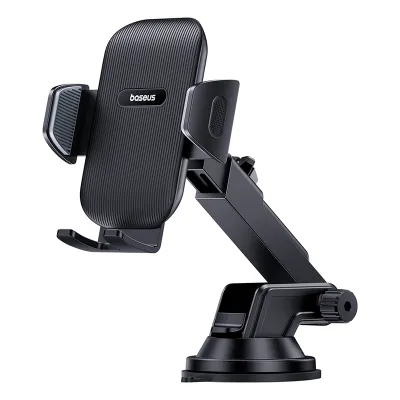
Prices are valid at publication and may change. Please refer to the product page for the latest price.
Core Differences in Everyday Convenience
When evaluating everyday convenience, the user interface and responsiveness of your navigation system play a critical role. Built-in car navigation systems are designed specifically for the vehicle’s display screen, meaning they are optimized for glare resistance and are positioned at an ideal viewing distance. However, many factory-installed systems utilize older resistive touchscreens or proprietary software that can feel sluggish and less intuitive than modern consumer electronics.
Smartphones, by contrast, feature highly responsive capacitive glass screens and powerful processors that make panning, zooming, and searching for destinations incredibly smooth. A smartphone secured in a car phone holder mount allows you to use familiar touch gestures and highly accurate voice recognition systems to input destinations on the fly. This responsiveness is particularly valuable when you need to quickly change your destination while stopped.
Map updates represent another major point of divergence between the two systems. Built-in navigation maps are typically static and require manual updates, which often involve downloading large files onto a USB drive, purchasing proprietary SD cards, or visiting an authorized dealership during regular service intervals. If these updates are neglected, the system will fail to recognize new road layouts, recently completed housing estates, or modified expressway exits.
Smartphone navigation apps update automatically in the background via mobile data networks, ensuring you always have access to the most current geographical data. These apps excel at real-time traffic routing, leveraging crowdsourced data from thousands of active road users to identify sudden bottlenecks on major expressways like the PIE, KPE, or CTE. They can dynamically calculate alternative routes to help you bypass congestion, a feature that static built-in systems generally cannot match.
Furthermore, point-of-interest (POI) searches are vastly superior on mobile devices. Searching for a specific cafe, medical clinic, or boutique shop on a smartphone yields instant, up-to-date results, complete with operating hours and user reviews. Built-in systems rely on pre-loaded databases that quickly become obsolete, often failing to locate newer businesses or temporary establishments.
Cost and Value Breakdown
The financial implications of choosing between built-in navigation and a mobile setup are substantial, both upfront and over the lifespan of the vehicle. Factory-installed navigation systems are rarely sold as standalone options; instead, they are usually bundled into premium trim levels or expensive technology packages. This integration can add thousands of dollars to the purchase price of a new car, or increase the monthly lease payments significantly.

In contrast, utilizing a smartphone you already own paired with a dedicated car phone holder mount is an exceptionally cost-effective alternative. A high-quality, durable phone mount typically costs between S$15 and S$60, depending on whether you opt for a basic mechanical clamp, a magnetic attachment, or a model with integrated wireless charging. This minimal upfront investment makes mobile navigation accessible to every driver regardless of their vehicle’s age.
Ongoing maintenance costs also differ. While smartphone navigation relies on mobile data, modern local telecom plans offer generous data allowances that easily accommodate daily GPS usage without incurring extra charges. On the other hand, some automotive manufacturers charge annual subscription fees to keep built-in maps updated or to maintain active connectivity features after the initial complimentary period expires.
Hardware obsolescence is a critical factor in long-term value. A vehicle’s built-in infotainment hardware is designed to last the lifetime of the car, meaning a ten-year-old vehicle will still use a ten-year-old processor and screen technology. A phone mount allows you to upgrade your navigation hardware instantly whenever you upgrade your smartphone, ensuring your mapping system always runs on cutting-edge processors.
When it comes to vehicle resale value, a built-in navigation system can make a car look more appealing on the secondhand market, but it rarely recovers its original purchase cost. Savvy buyers are increasingly aware of dated factory software and may not pay a premium for an obsolete built-in GPS. A clean dashboard that easily accommodates modern phone mounts is often just as appealing to practical buyers.
Safety, Ergonomics, and Legal Compliance in Singapore
Safety and legal compliance must be your primary considerations when setting up any navigation system in your vehicle. Under Singapore’s Road Traffic Act, it is an offense for a driver to hold a mobile communication device while the vehicle is in motion. To remain legally compliant, any smartphone used for navigation must be securely mounted in a dedicated car phone holder mount, allowing you to view maps hands-free.
The physical placement of your navigation screen directly affects your situational awareness on the road. Built-in screens are factory-positioned to ensure they do not obstruct the driver’s forward view through the windscreen. However, some integrated screens are mounted relatively low in the center console, forcing you to look down and away from the road to read map instructions, which can be dangerous during high-speed expressway driving.
A car phone holder mount offers greater flexibility in positioning, allowing you to place your device closer to your natural line of sight. Windscreen suction mounts and dashboard mounts can position the phone at eye level, minimizing the time your eyes are off the road. However, you must ensure the mount does not create a physical blind spot or violate local traffic guidelines regarding dashboard obstructions and windscreen visibility.
Airbag deployment zones are a critical safety factor that many drivers overlook when installing aftermarket accessories. You must never place a car phone holder mount on or near the steering wheel hub, passenger-side dashboard panels, or the A-pillars where SRS airbags deploy. In the event of a collision, an airbag inflating at high speed can launch a mounted phone or the bracket itself directly at the occupants, causing severe injuries.
Additionally, the physical stability of the mount is crucial for safety. Cheap, low-quality mounts can vibrate excessively, making the screen difficult to read, or they may lose suction entirely and fall off while you are driving. Investing in a sturdy mount with a reliable locking mechanism prevents sudden distractions and ensures your device remains securely in place even when driving over speed bumps or rough road surfaces.
How to Choose the Right Setup for Your Vehicle
Selecting the ideal navigation setup requires analyzing your specific driving habits, vehicle capabilities, and personal preferences.
Choose built-in navigation if you prioritize a completely clean, wire-free dashboard aesthetic and want a system that integrates seamlessly with your vehicle’s audio. Built-in systems are highly reliable because they connect directly to the vehicle’s wheel speed sensors and internal gyroscopes, allowing them to maintain accurate tracking even when driving through long underground tunnels or under heavy tree canopies where GPS signals are weak. They also eliminate the hassle of mounting and unmounting your phone every time you enter or exit the vehicle.
Choose a car phone holder mount if you rely heavily on real-time traffic routing to navigate peak-hour congestion, want access to crowdsourced hazard alerts, and prefer a highly cost-effective solution that updates automatically. This setup is ideal for drivers of older vehicles that lack modern infotainment screens, as well as high-mileage drivers who need the most accurate, up-to-the-minute point-of-interest data for their daily commutes.
Before making a final decision, verify whether your vehicle’s head unit supports smartphone projection systems such as Apple CarPlay or Android Auto. These systems effectively bridge the gap between both worlds by projecting your smartphone’s navigation apps directly onto the car’s built-in dashboard screen. If your car supports this feature, you get the benefit of real-time mobile routing on a large, integrated display, though you may still want a phone mount to keep your device secure and charged while connected via a USB cable.
Frequently Asked Questions (FAQ)
Can I use a phone mount if my car already has built-in navigation?
Many drivers choose to install a car phone holder mount even if their vehicle is equipped with a functional built-in navigation system. This dual-screen approach allows you to use the larger built-in display for secondary tasks, such as managing your vehicle’s media, monitoring hybrid system performance, or displaying a broad map overview. Simultaneously, you can use your mounted smartphone to run specific real-time traffic apps, monitor speed camera alerts, or manage hands-free calls without interrupting the primary dashboard display.
How do I prevent my phone from overheating on a mount in a hot car?
Singapore’s tropical climate and intense sunlight can cause smartphones to heat up rapidly, especially when running processor-intensive navigation apps while charging. To prevent your device from overheating and entering thermal shutdown, consider using an air-con vent mount, which positions the phone directly in front of the air conditioning airflow to keep it cool. Additionally, avoid mounting your phone directly on top of the dashboard where it is exposed to direct solar radiation through the windscreen, and remove thick protective cases to help the device dissipate heat more effectively.
Community discussion
Share your experience or ask a question. Comments are reviewed before publication.