
In tropical climates like Singapore, parking your car in an open-air car park or leaving it under the midday sun turns the cabin into a virtual greenhouse. Within minutes, interior temperatures can climb significantly higher than the outdoor ambient temperature. This intense heat is the primary reason why your car scent seems to vanish almost immediately after installation.
The combination of rapid evaporation, chemical breakdown from ultraviolet (UV) rays, and natural sensory adaptation makes maintaining a consistent, pleasant aroma a constant challenge. Understanding how heat interacts with different fragrance formats allows you to make smarter choices, adjust your placement, and get the most value out of your car air freshener.
Why Your Car Scent Disappears Quickly in Hot Weather
To solve the mystery of the disappearing car scent, it helps to look at the physics of how these products release their fragrance. Most traditional air fresheners, including liquid diffusers, gel cans, and hanging cardboard trees, rely on the steady evaporation of volatile organic compounds (VOCs) into the air.
Products mentioned in this guide
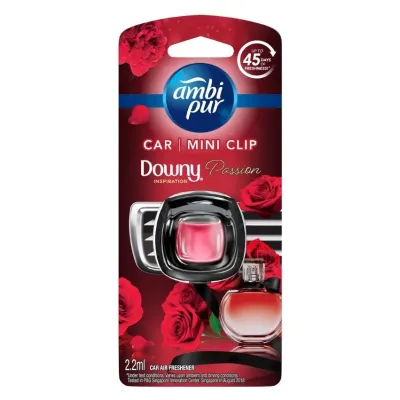
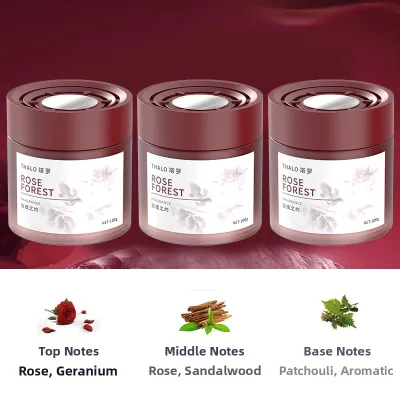

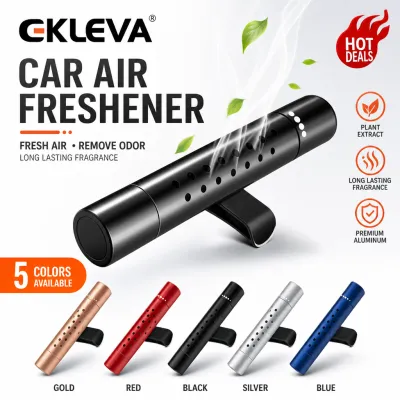


Prices are valid at publication and may change. Please refer to the product page for the latest price.
When cabin temperatures rise, the molecules within the fragrance oil gain kinetic energy. This causes them to transition from a liquid or solid state into a gas at an accelerated rate. A product designed to last up to a month in cooler climates can easily exhaust its entire fragrance payload in a matter of days when subjected to intense tropical heat.
Another major factor is olfactory fatigue, commonly known as nose blindness. When you first step into a hot, closed vehicle, the sudden burst of highly concentrated fragrance completely overwhelms your nasal passages. To protect your sensory system from constant stimulation, your brain quickly filters out the smell.
This means the fragrance is still present in high concentrations inside the cabin, but your olfactory receptors have simply tuned it out. The extreme heat accelerates this process by creating an intense “scent bomb” every time the car sits parked, leading you to believe the product has stopped working when it is actually still active.
Furthermore, direct sunlight and extreme heat cycles physically degrade the chemical structure of fragrance oils. Fragrance products are complex mixtures of natural essential oils and synthetic aromatic compounds. When exposed to harsh UV rays through the windshield, these delicate chemical bonds break down.
This thermal and UV degradation not only weakens the overall scent throw but can also alter the fragrance profile itself. Over time, you might notice that your favorite scent begins to smell stale, sour, or excessively chemical, forcing you to discard the product long before it has completely dried up.
Practical Fixes to Extend Your Current Car Scent
You do not necessarily need to throw away your current car scent to improve its lifespan. Making a few strategic adjustments to how and where you position the product can significantly slow down the evaporation process and keep your cabin smelling fresh for longer.

The first step is to relocate the scent source away from high-heat zones. The dashboard is the hottest area of any car interior because it receives direct, unfiltered sunlight through the windshield. If you have a liquid diffuser, gel can, or ornamental scent holder sitting on your dashboard, move it immediately.
Similarly, placing a vent clip directly in front of an active air conditioning vent can cause issues. While the cool air helps disperse the scent while driving, the direct exposure to sunlight and heat when the car is parked accelerates evaporation. Instead, try placing the scent source in a shaded, lower area of the cabin, such as under the front seats or inside a door pocket.
You can also extend the life of your car scent by manually controlling its exposure surface area. Many gel cans and liquid diffusers feature adjustable lids or vents. Keep these openings at their minimum setting to restrict the airflow over the fragrance medium, which slows down the vaporization rate.
For hanging cardboard air fresheners, avoid pulling the entire product out of its plastic packaging all at once. Most manufacturers print guidelines on the back of the sleeve instructing users to cut a small opening and slide the cardboard out gradually over several weeks. Following this method prevents the initial heat-induced scent explosion and ensures a steadier release.
To combat olfactory fatigue without wasting product, consider implementing a scent rotation strategy. Keep two completely different fragrance profiles on hand—such as a crisp, clean citrus scent and a warm, subtle woody aroma. Switch between these two scents every two weeks.
This periodic change prevents your brain from becoming completely desensitized to a single fragrance. By resetting your olfactory receptors, you will be able to perceive the scent clearly at lower concentrations, eliminating the temptation to open the diffuser vents wider or replace the product prematurely.
Selecting Heat-Resistant Car Scent Formats
When it is finally time to purchase a replacement, choosing a format specifically suited for high-heat environments can make a substantial difference in longevity. Some materials are naturally more resilient to thermal fluctuations than others.
Hanging cardboard trees and liquid vent clips are generally the least heat-resistant options. Cardboard holds very little oil and dries out rapidly, while liquid clips can easily overheat and leak. For tropical climates, solid ceramic diffusers, natural wood diffusers, and under-seat gel cans offer far superior performance.
Solid ceramic and natural wood diffusers absorb fragrance oils deeply into their porous structures. They release the aroma slowly through capillary action rather than rapid surface evaporation, making them much less susceptible to sudden temperature spikes. Under-seat gel cans contain a larger volume of structured gel that resists melting and is naturally shielded from direct sunlight by the seat frame.
Before buying any new car scent, take a moment to inspect the manufacturer’s packaging and labels. Look for products that specify temperature thresholds or are labeled as heat-resistant. Some premium brands formulate their scents with high-flashpoint carrier oils that are designed to resist rapid vaporization in warm climates.
It is also important to weigh the trade-offs between initial scent strength and long-term durability. Liquid vent clips and hanging cardboard provide an immediate, powerful burst of fragrance, but they deplete quickly. Solid ceramics and under-seat gels offer a much milder, more consistent, and longer-lasting scent profile.
If you prefer a subtle, continuous aroma that can survive parking in the sun, investing in solid or under-seat formats is generally the more practical and cost-effective choice. These formats ensure you do not have to constantly replace dried-out air fresheners every few weeks.
Safe Placement and Interior Protection
While keeping your car smelling pleasant is important, safety and interior preservation should always take priority. Improper placement of car scent products can lead to expensive cosmetic damage or even compromise your safety on the road.
Never place liquid, gel, or oil-based car scents directly on the dashboard, console, or any plastic trim. Under intense heat, the solvents and essential oils in these products can leak or sweat. If these chemicals come into contact with soft-touch plastics, leather upholstery, or infotainment screens, they can cause permanent bubbling, peeling, staining, or melting.
Additionally, ensure that any hanging or vent-mounted fresheners do not obstruct your line of sight through the windshield or rearview mirror. A hanging ornament that swings excessively can distract you while driving or block your view of pedestrians and oncoming traffic.
You must also avoid mounting any scent products on or near dashboard panels where passenger airbags are deployed. In the event of a collision, the rapid inflation of the airbag can turn a vent clip or hanging diffuser into a dangerous projectile, risking severe injury to cabin occupants.
Finally, pay close attention to how your body reacts to the fragrance. If you or your passengers experience headaches, watery eyes, or respiratory irritation, stop using the product immediately and ventilate the cabin. If a spill does occur on your car’s interior surfaces, consult your vehicle’s owner manual for approved cleaning methods or seek professional interior detailing services immediately to prevent permanent chemical etching.
Frequently Asked Questions (FAQ)
Can I Leave My Car Scent in a Parked Vehicle During Hot Weather?
Yes, you can leave your car scent in a parked vehicle, but you should take precautions to protect the product and your interior. When a car is parked in direct sunlight, the extreme heat buildup can cause liquid diffusers to leak or gel cans to liquefy and dry out prematurely. If you must park in an unsheltered area for an extended period, consider temporarily moving sensitive liquid or gel fresheners into a shaded glove compartment or placing a sunshade over your windshield to block direct UV rays.
Does Ventilating the Cabin Reset My Sense of Smell to the Scent?
Yes, ventilating your cabin is an effective way to combat olfactory fatigue. Rolling down your windows or setting your air conditioning system to draw in fresh outdoor air helps clear out the highly concentrated, saturated fragrance molecules trapped inside the vehicle. This brief exposure to fresh air resets your olfactory receptors, making the existing car scent noticeable and effective again once you close the windows, without requiring you to replace the product.

Community discussion
Share your experience or ask a question. Comments are reviewed before publication.