
Stepping into a car that has been parked under the tropical sun for a few hours often feels like entering an oven. Along with the intense wave of heat, you might notice that your favorite car fragrance has either completely vanished or turned into an overwhelming, chemical-heavy cloud. In hot climates like Singapore’s, car fragrances fade rapidly because high cabin temperatures accelerate the evaporation of volatile scent oils, while direct ultraviolet (UV) rays break down the chemical structure of the perfume. To make your car fragrance last longer, you must understand how heat interacts with different scent mediums, choose heat-resistant formulations, place them strategically away from direct sunlight, and adopt simple habits to protect your vehicle’s interior climate.
Why Heat Makes Your Car Fragrance Disappear Faster
When you park your vehicle in an open-air parking lot, the greenhouse effect quickly takes over. Sunlight passes through the glass, heating up the dark surfaces of your dashboard, steering wheel, and seats. Because the glass traps this thermal energy, cabin temperatures can easily soar past 60°C within an hour, even when the outside temperature is a moderate 32°C. This extreme heat acts as a catalyst for any scent-dispensing product inside the cabin.
The physical mechanism behind any car fragrance is evaporation. Fragrances are formulated using volatile organic compounds (VOCs) and oils designed to transition from a liquid or solid state into a gas at room temperature. When the temperature inside the cabin spikes, the kinetic energy of these molecules increases dramatically. This causes the fragrance oils to evaporate at an exponential rate, releasing weeks’ worth of scent in just a few hot afternoons.
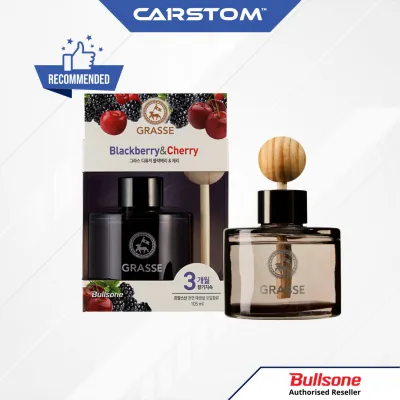
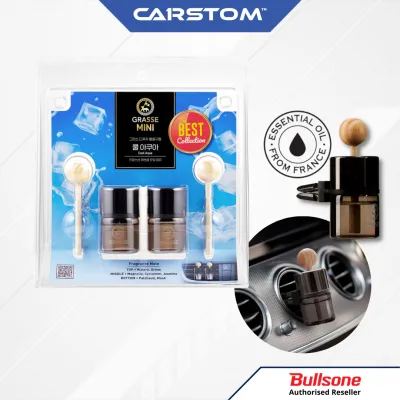
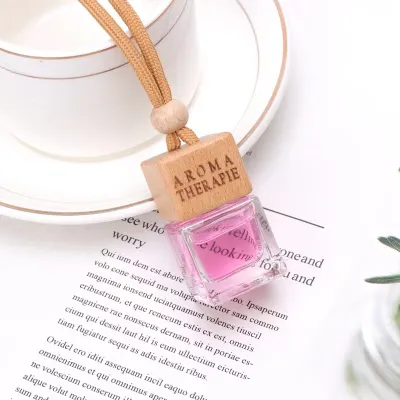
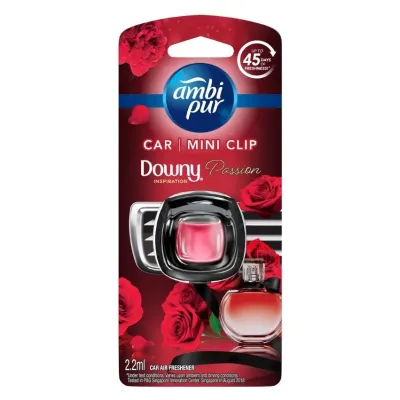
Products mentioned in this guide
![[KIRONA SCENT] Mori Car Hanging Aroma Diffuser | Air Freshener & Perfume for Cars Wardrobes Gifts | Hotel Mall & Perfume Scents](https://img.lazcdn.com/g/p/437b343b4a51649696ad3581cd842d9a.png_400x400q80.png_.webp)


![Glade Scented Gel Air Fresheners l Fragrance Car House Toilet Room -180g [Mix & Match]](https://img.lazcdn.com/g/p/b464387afdb062ca338d1a7900ca58a3.jpg_400x400q80.jpg_.webp)
Prices are valid at publication and may change. Please refer to the product page for the latest price.
Direct sunlight also introduces ultraviolet (UV) radiation. UV rays break the chemical bonds of the fragrance compounds, which can alter the scent profile or turn a pleasant aroma into a sour, metallic smell. Furthermore, intense UV exposure degrades the plastic, gel, or glass housings of the air freshener, causing them to warp, crack, or leak.
Different types of air fresheners react uniquely to these conditions. Saturated paper cards have no protective barrier and dry out almost instantly under high heat. Liquid diffusers can experience rapid boiling or pressure buildup, leading to accelerated depletion or messy spills. Gel-based fresheners gradually shrink and harden as their water or oil content is baked away, leaving behind a useless, shriveled block.
How to Choose a Heat-Resistant Car Fragrance
Selecting the right type of car fragrance is your first line of defense against the tropical heat. Solid polymer diffusers, ceramic blocks, and high-density gel canisters generally offer much better heat resistance than liquid or paper alternatives. Solid polymers and ceramic diffusers hold the fragrance oils within a stable matrix, releasing the scent through slow, controlled diffusion rather than rapid evaporation. This structural stability prevents the product from dumping all its scent at once when the cabin temperature rises.

The chemical composition of the scent itself also plays a major role. Perfumes are structured with top, middle, and base notes, each having different evaporation rates. Top notes, such as citrus, mint, and light florals, consist of small, highly volatile molecules that evaporate very quickly under heat. Base notes, such as sandalwood, cedarwood, amber, vanilla, and musk, are made of larger, heavier molecules that resist evaporation. Choosing profiles dominated by rich, woody, or warm base notes will ensure the scent lingers far longer in a hot cabin.
Before making a purchase at a local automotive accessory shop or an online marketplace, always check the product packaging for temperature ratings or heat-resistant formulations. High-quality manufacturers often specify the safe operating temperature range for their diffusers. Avoiding cheap, unrated liquid diffusers is a smart move, as these products rarely feature the chemical stabilizers needed to withstand extreme cabin heat without breaking down or leaking onto your interior trim.
While spending S$10 to S$20 on a premium gel or solid polymer diffuser might seem like a higher upfront cost compared to a cheap paper card, the extended lifespan makes it a more economical choice over time. Investing in a product designed specifically for tropical climates ensures you do not have to replace your air freshener every single week.
Strategic Placement to Protect Your Car Fragrance
Where you position your car fragrance inside the cabin directly influences how quickly it depletes. The absolute worst places to put any air freshener are the top of the dashboard and the rear parcel shelf. These areas are exposed to direct, unfiltered sunlight through the windshield and rear glass, making them the hottest zones in the entire vehicle. Placing a fragrance here guarantees rapid evaporation, UV degradation, and a high risk of the housing melting or leaking.
Instead, look for shaded, lower areas within the cabin where temperatures remain relatively cooler. Under the front passenger seat is an excellent location, especially if your vehicle has rear air conditioning vents located on the floor. The shade protects the diffuser from direct sunlight, while the low position keeps it away from the rising heat that accumulates near the roof of the car. Other great options include the lower door pockets, the center console side pockets, or shaded cup holders that feature a cover.
Air conditioning vent clips are highly popular because they use the car’s ventilation system to actively distribute the scent. However, they require careful management in hot weather. When your car is parked in the sun, the vents and the dashboard assembly absorb a massive amount of heat, which is then transferred directly to the vent clip. If you prefer using vent clips, choose a model that features an adjustable shutter or dial. This allows you to close the vent clip’s housing completely when you park the car, sealing the fragrance inside and preventing it from evaporating while the vehicle is idle.
Daily Habits to Extend Scent Longevity
Adopting a few simple daily habits can dramatically lower your car’s internal temperature and preserve your fragrance. Whenever you park in an open-air lot, always deploy a high-quality, reflective front sunshade. By blocking direct sunlight from entering through the windshield, a sunshade can lower the dashboard temperature by up to 20°C and significantly reduce the overall cabin heat. This simple step alone can double the lifespan of a dashboard-mounted or vent-mounted fragrance.
Investing in high-performance window tinting is another highly effective measure. Modern window films designed to reject infrared (IR) light and block UV rays help maintain a cooler cabin even when the car is parked for hours. By keeping the interior temperature closer to the ambient outdoor temperature, you prevent the extreme heat spikes that trigger rapid fragrance evaporation.
For adjustable gel cans or diffusers, get into the habit of managing the exposure area. You do not need to peel the lid off completely or open the vents to their maximum setting to enjoy the scent. Keeping the opening at its minimum setting is usually more than enough to fill a compact car cabin, especially when the heat is already accelerating the diffusion process. If you are parking the car for several days, take a moment to close the adjustable lid entirely to lock the scent in.
Finally, maintaining a clean cabin is essential for fragrance longevity. Dust, food crumbs, spilled drinks, and damp floor mats create background odors that compete with your air freshener. When your car has a musty or dirty smell, you are naturally tempted to open your fragrance diffuser wider to mask the unpleasant odor, which wastes the product. Regularly vacuuming the carpets, wiping down the leather seats, and cleaning the air conditioning filters ensures your fragrance does not have to work overtime to keep the cabin smelling fresh.
When to Replace or Switch Your Air Freshener
Understanding when your car fragrance is truly depleted—rather than just temporarily affected by the weather—will save you money and protect your car’s interior. Gel-based fresheners are easy to diagnose; when the gel has shriveled to a tiny, hard crust at the bottom of the container, it is time for a replacement. Liquid diffusers are spent when the fluid level drops below the wick, while solid polymer diffusers will lose their pliable texture and become stiff, brittle, and scentless.
However, you must also account for olfactory fatigue, a common phenomenon where your brain adapts to a constant smell and stops registering it. If you can no longer smell your car fragrance, do not immediately assume it is empty and open a new one. Instead, ask a friend or family member who does not ride in your car regularly to step inside and give their feedback. If they can easily detect the scent, your air freshener is still working perfectly, and you are simply experiencing sensory adaptation. To combat this, try switching between two different scent profiles every few weeks to keep your nose sensitive to the fragrance.
If you notice that a solid or gel air freshener has melted, deformed, or started to leak due to extreme heat, dispose of it immediately. Fragrance oils are highly concentrated and can act as solvents. If these oils leak onto your dashboard plastics, synthetic leather, or infotainment screens, they can cause permanent bubbling, peeling, or discoloration. Always handle liquid diffusers with care, ensure they are mounted perfectly upright, and wipe away any accidental spills immediately with a damp microfiber cloth to prevent costly interior damage.
Frequently Asked Questions (FAQ)
Can I put my car fragrance in the fridge to make it last longer?
While storing spare, unopened car fragrances in a cool, dark pantry is highly recommended, putting them in the refrigerator is not a good idea. When you take a cold air freshener out of the fridge and place it directly into a hot car, the extreme temperature difference causes rapid condensation to form inside the packaging. This moisture can dilute the fragrance oils, alter the chemical composition of the scent, or even cause plastic and glass housings to crack due to thermal shock. It is always best to follow the manufacturer’s storage instructions and keep your spares in a standard room-temperature cupboard away from direct sunlight.
Are essential oils safe to use as DIY car fragrances in hot weather?
Using pure essential oils as a DIY car fragrance in hot weather is generally not recommended. Pure essential oils have very low flashpoints and evaporate extremely quickly when exposed to high cabin temperatures, which can make the scent overwhelmingly strong for the first few hours before it completely disappears. Furthermore, undiluted essential oils are highly corrosive to automotive plastics, vinyl, and leather. If a DIY diffuser spills or drips onto your dashboard, it can cause severe, irreversible damage to the interior surfaces. Purpose-built commercial car fragrances are formulated with specific carrier oils and stabilizers designed to regulate evaporation and ensure safety under high-temperature conditions.

Community discussion
Share your experience or ask a question. Comments are reviewed before publication.