
To make a car freshener last longer in a hot car, you must control its exposure to two primary environmental drivers: extreme solar heat and high-velocity, dehumidified air conditioning. The most effective strategy involves choosing heat-stable formats—such as solid ceramics or organic fiber cans—and placing them in shaded, lower-temperature zones of the cabin, such as under the front seats or within the lower center console recesses. By combining these placement techniques with simple daily habits, such as venting trapped hot air before activating the air conditioning and covering diffusers when parked in direct sunlight, you can significantly extend the lifespan of your chosen fragrance.
Managing these factors is especially critical in tropical climates like Singapore’s, where parked vehicles act as solar ovens and heavy air-conditioning use constantly strips moisture from the air. Understanding the physical and chemical processes at play allows you to make informed decisions about product selection, placement, and daily maintenance, ensuring a consistent and pleasant cabin environment without frequent, costly replacements.
How Heat and Air-Conditioning Affect Car Freshener Evaporation
The rate at which any car freshener releases its scent is governed by the fundamental laws of evaporation and thermodynamics. Car fresheners rely on volatile organic compounds (VOCs)—either natural essential oils or synthetic fragrance oils blended with solvent carriers like dipropylene glycol. These compounds are formulated to transition slowly from a liquid, gel, or solid state into a vapor at room temperature. However, when a vehicle is parked under direct tropical sunlight, the cabin interior experiences a rapid accumulation of thermal energy, with interior air temperatures frequently exceeding 60 degrees Celsius, and dashboard surfaces climbing even higher.
Products mentioned in this guide

![[NEW LAUNCH] Trapo Scented Pod - Air Freshener - Car Accessories - Car Fragrance](https://img.lazcdn.com/g/p/d37b2c3d5ea17f5b724712e177ed293b.jpg_400x400q80.jpg_.webp)

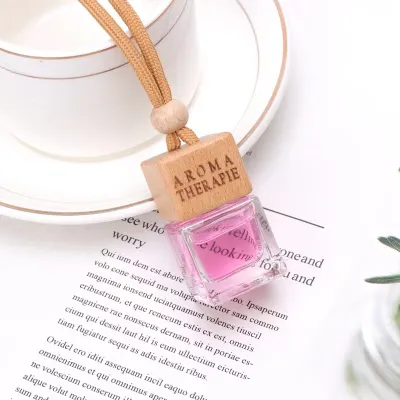

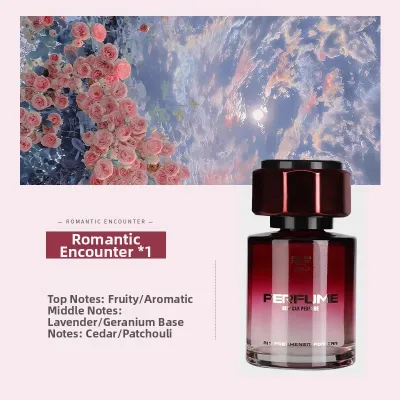
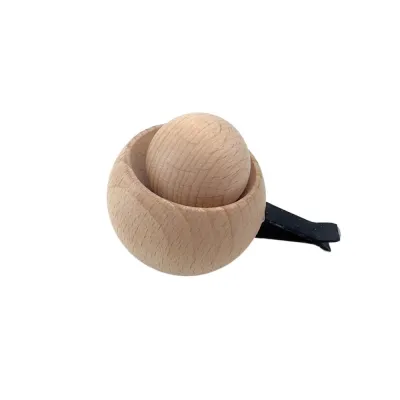
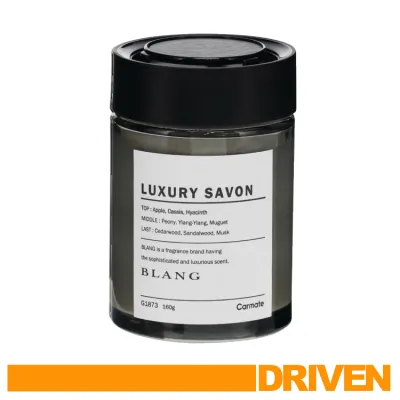
Prices are valid at publication and may change. Please refer to the product page for the latest price.
This extreme heat directly increases the kinetic energy of the fragrance molecules. As the temperature rises, the molecules move more rapidly, breaking their intermolecular bonds and escaping into the air at an exponential rate. This accelerated evaporation explains why a new freshener might smell incredibly intense after your car has sat in an open-air car park for a few hours, only to lose its potency entirely within a week. The heat essentially forces the product to release several weeks’ worth of fragrance in a matter of hours.
When you return to your vehicle and turn on the air conditioning, the freshener experiences a phenomenon known as thermal shock. The rapid transition from extreme heat to a chilled, air-conditioned environment causes the materials inside the freshener to contract. For liquid and gel formats, this constant cycle of expansion and contraction can compromise the structural integrity of membranes, wicks, and containers, leading to premature degradation or structural failure.
Furthermore, air conditioning units function by drawing moisture out of the cabin air to cool it efficiently. This process creates a highly dehumidified microclimate inside the car. Dry air has a much higher capacity to absorb moisture and volatile vapors than humid air. This low relative humidity increases the vapor pressure gradient between the freshener’s surface and the surrounding air, which actively pulls the volatile fragrance compounds out of hanging paper cards, open gels, and vent clips. Consequently, the combination of intense parking heat and dry driving air creates a double-sided challenge that rapidly depletes standard car fresheners.
Optimal Placement Spots to Slow Down Evaporation
To counteract the aggressive evaporation caused by heat and air conditioning, you must strategically utilize the microclimates within your vehicle’s cabin. The goal is to find locations that are naturally shielded from direct solar radiation and maintain a more stable, lower ambient temperature, while still allowing the vehicle’s ventilation system to distribute the scent evenly.

Floor Mats and Under the Seats
The lower cabin area is the most effective zone for preserving a car freshener’s lifespan. Because hot air rises, the floor of the vehicle remains significantly cooler than the dashboard or window-level surfaces. Placing a solid, gel, or can-based freshener under the front passenger seat provides immediate protection from direct ultraviolet (UV) rays and solar heat.
The physical structure of the seat acts as a robust thermal barrier, keeping the freshener in a shaded, cooler pocket of air. When the air conditioning is running, the floor vents gently distribute the rising fragrance throughout the cabin without blowing high-velocity air directly onto the product. This results in a slow, controlled, and highly efficient release of the fragrance compounds, often doubling the product’s usable lifespan.
Lower Center Console and Cup Holders
If you prefer to keep your freshener within arm’s reach or in a more accessible location, the lower center console or recessed cup holders offer an excellent compromise. These areas are typically shaded by the dashboard overhang, gear selector, and side panels of the console.
By placing solid or gel fresheners in these recessed zones, you shield them from the intense solar radiation coming through the windshield. The air currents generated by the dashboard vents will naturally draw the scent upward and backward into the passenger cabin, providing consistent fragrance coverage without exposing the freshener to direct heat or high-speed air currents.
Rear Headrests and Parcel Shelves
For larger vehicles, such as sport utility vehicles (SUVs) or multi-purpose vehicles (MPVs), achieving whole-cabin scent distribution can be challenging. Securing a freshener in the backseat area is a practical solution. However, you must avoid placing products directly on the rear parcel shelf, as this area is highly vulnerable to intense solar heat through the rear windshield.
Instead, secure the freshener to the lower metal posts of the rear headrests or place it inside the rear door pockets. These locations keep the freshener shaded and protected from direct sunlight while utilizing the natural return airflow of the vehicle’s air-conditioning system to pull the fragrance forward, ensuring a balanced scent profile across all rows of seating.
High-Risk Placement Areas to Avoid in a Hot Car
Many drivers instinctively place their car fresheners in highly visible or convenient spots without realizing that these areas are the most hostile environments inside a vehicle. Avoiding these high-risk zones is crucial not only for preserving the lifespan of your freshener but also for protecting your vehicle’s interior from permanent, expensive damage.
The Top of the Dashboard and Windshield
The top of the dashboard is the single worst location for any car freshener. Because it sits directly beneath the windshield, the dashboard acts as a primary heat sink, absorbing massive amounts of solar radiation. Surface temperatures on a dark dashboard can easily reach 80 degrees Celsius on a hot afternoon.
Placing liquid, gel, or adhesive-backed fresheners on the dashboard subjects them to extreme thermal stress, causing immediate and rapid evaporation. More critically, this intense heat can cause liquid plastic or glass casings to crack or warp, leading to chemical leaks. The concentrated solvents and synthetic oils used in car fresheners are highly corrosive to automotive materials. A single leak can permanently dissolve, blister, or discolor dashboard plastics, soft-touch vinyl, and leather upholstery.
Safety Boundary: Always consult your vehicle’s owner’s manual before applying any adhesives, mounts, or chemical-based accessories to the dashboard or interior trim. If a leak does occur, wipe it away immediately with a clean microfiber cloth and consult a professional automotive detailer.
Direct Air-Conditioning Vents
While vent-clip fresheners are specifically designed to be mounted on air-conditioning louvers, placing non-vent-specific liquid, gel, or solid diffusers directly in the path of active vents is highly counterproductive. The continuous blast of high-velocity air across the surface of the freshener strips away the volatile fragrance compounds at an unsustainable rate.
If you use a dedicated vent-clip freshener, ensure it features an adjustable mechanical slider. Keeping the vent clip fully open when the air conditioning is operating at high fan speeds will deplete the product in a fraction of its intended lifespan. Instead, position these clips on secondary vents or keep the adjustment dial partially closed to regulate the airflow exposure.
Rearview Mirror Hangings
Hanging cardboard cards or small liquid bottles from the rearview mirror is a traditional practice, but it introduces significant safety and longevity issues. The area directly behind the windshield receives the highest concentration of solar heat and UV radiation, which rapidly dries out paper cards and boils liquid diffusers.
Furthermore, hanging objects present a physical safety hazard. A swinging freshener can distract the driver, obscure the line of sight, or even violate local road safety regulations regarding driver visibility. In the event of sudden braking or a collision, a heavy glass liquid diffuser hanging from the mirror can swing violently, potentially cracking the windshield or injuring occupants.
Daily Usage Habits to Extend Your Car Freshener's Lifespan
Maximizing the lifespan of your car freshener does not rely solely on where you place it; it also depends on how you manage your vehicle’s environment on a daily basis. By integrating a few simple steps into your driving and parking routines, you can significantly reduce the rate of fragrance depletion.
Adjusting Vent Clips and Diffuser Caps
If you utilize adjustable vent clips or liquid diffusers with variable caps, make it a habit to actively manage these controls. When you first install a freshener, the scent concentration is naturally at its peak. Keep the adjustment louvers or cap openings at their minimum setting.
As the product ages and the scent naturally softens, you can gradually open the vents or caps to maintain a consistent fragrance level. This progressive adjustment ensures you are not wasting fragrance during the initial weeks of use when the product is naturally highly potent.
The "Park and Cover" Method
When parking your vehicle outdoors in unsheltered areas for extended periods, such as during a workday, take a moment to protect your freshener from the impending heat. If you use a portable gel tub, an organic fiber can, or a removable liquid diffuser, place the product inside the glove compartment or the center console storage box before leaving the vehicle.
These enclosed storage compartments remain completely dark and slightly cooler than the open cabin, effectively pausing the heat-induced evaporation process. When you return to the vehicle, simply place the freshener back in its active position. While this requires a small amount of daily effort, it can easily double or triple the lifespan of your freshener by shielding it during the hottest hours of the day.
Rotating and Refreshing
Many solid and gel-based fresheners appear to lose their scent over time even though a significant amount of product remains inside the container. This occurs because the top layer of the gel or wax dries out, forming a hardened crust that traps the remaining fragrance compounds underneath.
To resolve this, gently shake gel-bead fresheners to redistribute the active beads. For solid wax or organic fiber cans, use a clean tool to gently stir the surface or flip the internal fiber pads over. This exposes fresh, saturated layers to the air, immediately restoring the scent output without requiring you to purchase a replacement.
Managing Cabin Ventilation
One of the most effective habits for preserving both your car freshener and your vehicle’s cooling system is managing how you ventilate a hot cabin. When you enter a car that has been parked in the sun, do not immediately turn on the air conditioning to its maximum setting with the windows closed. This traps the superheated air inside, subjecting the freshener to a prolonged blast of hot, dry air.
Instead, roll down all the windows completely and drive for one to two minutes. This allows the movement of the vehicle to naturally push the trapped, superheated air out of the cabin, rapidly lowering the interior temperature to match the ambient outside air. Once the extreme heat has escaped, roll up the windows and turn on the air conditioning. This practice minimizes the thermal shock experienced by your freshener and reduces the cooling load on your vehicle’s compressor.
Which Car Freshener Types Survive Best in Hot Weather?
Not all car fresheners are created equal when it comes to heat tolerance. Selecting a product format that is inherently stable under high temperatures is the foundation of long-lasting car fragrance.
| Freshener Type | Heat Stability | Leak Risk | Lifespan in Hot Car | Best Placement |
|---|---|---|---|---|
| Solid Ceramic / Stone | Excellent | None | High | Lower console, seat pocket |
| Organic Fiber Cans | High | None | High | Under the seat, cup holder |
| Polymer Gels | Moderate | Low (unless melted) | Moderate | Under the seat |
| Liquid Diffusers | Low | High | Low | Vent (with caution) |
| Hanging Cardboard | Low | None | Very Low | Avoid windshield area |
Solid Ceramics and Organic Cans
Solid ceramic stones and organic fiber cans (which utilize compressed wood or fiber pads saturated with fragrance oils) are highly recommended for hot climates. Because these formats do not contain free-flowing liquids or meltable waxes, they carry zero risk of leaking or spilling, even if the vehicle reaches extreme temperatures.
The porous structure of ceramic and compressed fiber holds the fragrance oils securely, releasing them at a highly stable, controlled rate. These formats are incredibly resilient against heat degradation, making them the safest and most cost-effective choice for vehicles frequently parked outdoors.
Polymer Gels and Liquid Diffusers
Polymer gel fresheners offer a clean aesthetic and consistent scent release, but they are highly susceptible to drying out rapidly in low-humidity, air-conditioned environments. If exposed to direct sunlight, some lower-quality gels can even liquefy, increasing the risk of spills.
Liquid diffusers, while offering a highly pure and customizable scent experience, are the most vulnerable to heat. High temperatures cause the liquid to expand, building internal pressure within the glass or plastic bottle. This pressure can force the liquid out through the wooden cap or wick, leading to drips that can damage your dashboard or console. If you choose a liquid diffuser, always verify the manufacturer’s temperature limits and storage instructions on the product packaging before installation.
Frequently Asked Questions (FAQ)
Can a melting car freshener damage my car's interior?
Yes, a leaking or melting car freshener can cause severe, permanent damage to your vehicle’s interior surfaces. Most car fresheners contain concentrated synthetic fragrance oils and chemical solvents, such as alcohols or esters, which act as carriers for the scent. These solvents are highly effective at dissolving plastics, synthetic vinyl, paint, and leather finishes.
If a freshener leaks onto your dashboard, center console, or upholstery, it can cause the material to bubble, peel, discolor, or soften. If you notice a leak, immediately blot the liquid with a clean, dry microfiber cloth—avoid rubbing, as this can spread the chemical and worsen the damage. Clean the area gently with a mild, pH-neutral soapy water solution, and consult your vehicle’s owner’s manual or a professional automotive detailer for approved interior cleaning procedures.
Will turning off the air-conditioning make the scent last longer?
While turning off the air conditioning eliminates the forced airflow that sweeps fragrance molecules away, it is not an effective way to extend your freshener’s lifespan. Turning off the air conditioning causes the cabin temperature to rise rapidly, especially when driving in tropical climates. This increase in ambient heat accelerates the natural evaporation rate of the fragrance compounds far more than moderate airflow would.
The optimal approach is to maintain a comfortable, moderate cabin temperature with the air conditioning set to a low or medium fan speed. This balances the evaporation rate by keeping the ambient temperature low while avoiding the high-velocity air currents that strip fragrance away too quickly.
How can I safely dispose of a melted or leaked car freshener?
When handling a degraded, melted, or leaking car freshener, safety should be your primary concern. Avoid direct skin contact with concentrated fragrance liquids or semi-melted gels, as they can cause skin irritation or allergic reactions. Wear protective household gloves and ensure the vehicle’s doors or windows are fully open to provide adequate ventilation during the cleanup and removal process.
Place the damaged freshener and any contaminated cleaning cloths into a sealed plastic bag. Do not dispose of liquid chemical fragrances down household drains or into the environment. Instead, consult your local municipal waste management guidelines—such as those provided by environmental agencies—to identify the correct disposal method for household chemical products and automotive accessories.
Community discussion
Share your experience or ask a question. Comments are reviewed before publication.