
Using the wrong cleaning wipes on your car’s interior can quietly degrade the very surfaces you are trying to protect. While household cleaners often rely on strong acidic or alkaline formulas to cut through grease, car cabins feature delicate materials like treated leather, soft-touch plastics, and anti-glare coatings. Choosing pH-neutral car interior cleaning wet wipes ensures that you remove dust, oils, and light grime without stripping away protective factory coatings, drying out surfaces, or causing premature cracking. This simple choice preserves both the aesthetic appeal and the resale value of your vehicle over years of ownership.
What "pH-Neutral" Actually Means for Car Interior Wipes
The pH scale measures how acidic or alkaline a water-based solution is, ranging from 0 to 14. A value of 7 is considered completely neutral, representing a perfect balance that is neither acidic nor alkaline. In the context of automotive detailing, pH-neutral cleaning agents are formulated to sit right at or very close to this neutral midpoint. This chemical balance ensures that the cleaner can lift surface contaminants without initiating a chemical reaction with the substrate itself.
Unlike general household cleaners, which often lean heavily alkaline to dissolve kitchen grease or highly acidic to break down bathroom mineral deposits, automotive interior wipes require a gentler touch. Highly alkaline or acidic chemicals are too aggressive for the specialized materials inside a modern vehicle. They can chemically react with delicate dyes, protective sealants, and synthetic binders, leading to rapid material breakdown.
Products mentioned in this guide
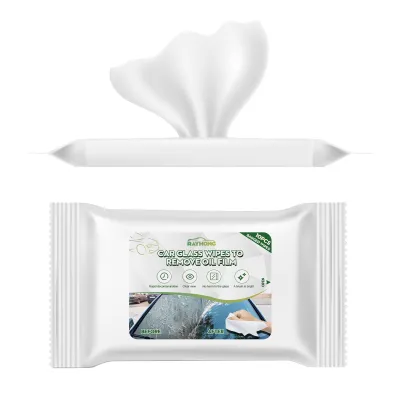
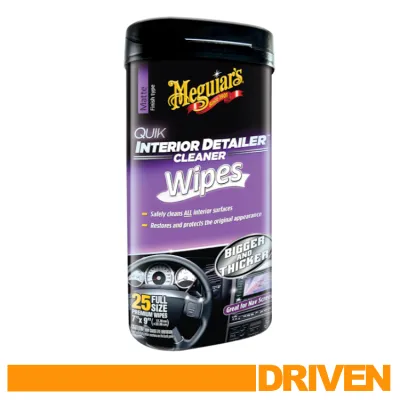
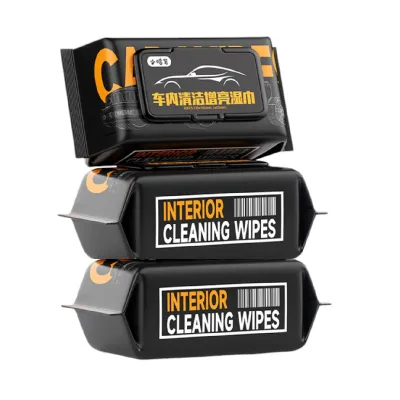
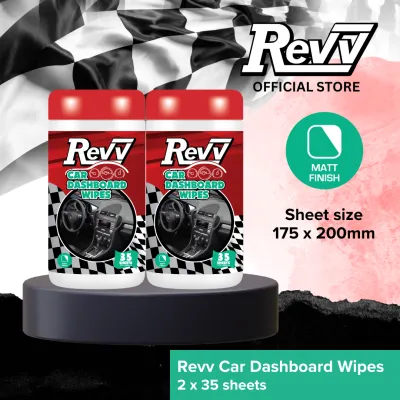

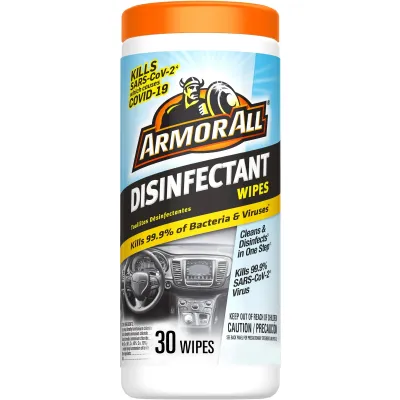
Prices are valid at publication and may change. Please refer to the product page for the latest price.
Automotive interiors are exposed to extreme temperature swings and intense ultraviolet radiation, especially when parked under the hot sun in tropical climates like Singapore. These environmental stressors already weaken cabin materials over time by breaking down chemical bonds in plastics and drying out leather fibers. Introducing harsh chemical cleaners accelerates this degradation, making a balanced, pH-neutral formula a necessity rather than a luxury for routine maintenance.
How Incorrect pH Levels Damage Interior Surfaces
When a cleaning solution deviates too far from neutral, it begins to chemically alter the surfaces it touches. This damage is rarely instantaneous; instead, it accumulates over weeks or months of regular cleaning, eventually manifesting as irreversible physical and visual wear. Understanding how different materials react to chemical imbalances can help you avoid costly interior repairs.

Leather Seats and Trim
Natural leather is an organic material that undergoes a complex tanning process, leaving it with a slightly acidic natural pH. Manufacturers apply a thin, flexible polyurethane topcoat to modern automotive leather to protect it from friction, body oils, and UV rays. Using highly alkaline wipes strips away this essential protective barrier, leaving the underlying leather completely exposed.
Once the protective topcoat is compromised, the leather begins to lose its natural moisture and essential oils. You may first notice the material becoming stiff, losing its supple texture, or developing a dry, rough feel. Over time, this chemical depletion leads to premature cracking along the bolster creases and can even cause the dye to fade or transfer onto clothing.
Preserving the manufacturer’s original finish requires cleaning agents that respect this delicate balance. Once leather dries out and cracks from chemical exposure, standard conditioners cannot fully restore the broken fibers, making prevention through proper pH-neutral cleaning the only reliable strategy. Regular use of balanced wipes keeps the leather clean without stripping the vital oils that maintain its flexibility.
Dashboard and Plastic Components
Modern dashboards are complex assemblies featuring vinyl wraps, molded plastics, and soft-touch synthetic coatings designed to feel premium. These materials are highly sensitive to strong chemical solvents and unbalanced pH levels, which can break down the polymer chains within the plastic.
When exposed to harsh alkaline or acidic wipes, soft-touch plastics can undergo a chemical breakdown that makes them permanently sticky, tacky, or prone to peeling. Hard plastics may develop unsightly white haze, discoloration, or patchy spots where the chemical has stripped away the factory finish. Once this chemical damage occurs, the plastic cannot be easily restored and often requires complete component replacement.
Furthermore, many dashboards feature specialized anti-glare or UV-protective coatings designed to reduce windshield reflections and prevent sun damage. Unbalanced cleaning wipes can dissolve or strip these micro-thin coatings, leading to increased glare while driving and accelerating the rate at which the dashboard fades or cracks under direct sunlight. Using a pH-neutral wipe ensures these protective layers remain intact, preserving both safety and appearance.
How to Verify and Choose the Right Wipes
Navigating the car care aisle requires a careful look at product labels rather than relying on generic marketing claims. To confirm a product is truly safe, look for explicit terms such as “pH-balanced,” “pH-neutral,” or “safe for all interior surfaces” on the packaging. Reliable manufacturers will clearly state these properties to assure vehicle owners of chemical safety.
Before purchasing any new cleaning product, always consult your vehicle owner’s manual. Manufacturers often include specific sections on interior care, detailing which materials are present in your cabin and listing any chemical restrictions, such as avoiding alcohol-based solvents or highly alkaline detergents. Following these guidelines ensures you do not inadvertently void any interior material warranties.
It is critical to avoid using generic household wet wipes, disinfectant wipes, or even baby wipes on your car’s interior. While baby wipes are designed to be gentle on human skin, they frequently contain moisturizers, oils, and skin conditioners that leave a greasy residue on non-porous automotive plastics, attracting more dust and creating a distracting glare on the dashboard. Household disinfectant wipes, on the other hand, often contain harsh chemical sanitizers and alcohol that can instantly damage delicate automotive finishes. Investing in dedicated automotive wipes formulated specifically for vehicle cabins is the safest approach to long-term preservation.
Safe Wiping Practices to Prevent Surface Damage
Even when using a high-quality, pH-neutral wipe, proper application technique is essential to avoid physical wear on delicate cabin surfaces. Always perform a spot test on a small, inconspicuous area—such as the underside of a seat bolster or the lower portion of a door panel—before wiping down highly visible areas. Wait a few minutes for the test spot to dry completely to verify that no discoloration or texture changes occur.
When cleaning, use light, even pressure and wipe in a single direction rather than scrubbing back and forth. Scrubbing can grind abrasive dust particles into soft leather or plastic, causing micro-scratches that dull the finish over time. If a wipe becomes visibly soiled, discard it and use a fresh one to avoid transferring dirt and oils back onto the clean surfaces.
Pay close attention to moisture levels during application. While pH-neutral wipes are formulated to dry cleanly, you should never allow liquid to pool in seams, stitching, or electronic switchgear. If you notice excess moisture remaining on leather seams or dashboard buttons, gently pat the area dry with a clean, dry microfiber towel. If you encounter stubborn stains, sticky spills, or deeply embedded grime that does not lift with gentle wiping, stop immediately and consult a professional automotive detailer to avoid rubbing through the material’s protective topcoat.
Frequently Asked Questions (FAQ)
Can I use baby wipes or household cleaning wipes on my car interior?
No, you should avoid using baby wipes or household cleaning wipes on your car’s interior. Although baby wipes are formulated to be gentle on skin, they often contain cosmetic oils, skin softeners, and fragrances that leave a stubborn, greasy film on automotive plastics and leather, which attracts dust and causes glare. Household cleaning and disinfectant wipes are even more hazardous to your cabin, as they frequently contain alcohol, bleach, or strong alkaline surfactants designed to sanitize hard, non-porous household surfaces but will quickly strip the protective UV coatings and dyes from your dashboard and leather seats.
Do pH-neutral wipes leave a residue or cause glare on the dashboard?
High-quality, automotive-grade pH-neutral wipes are specifically engineered to dry quickly without leaving a sticky residue, resulting in a clean matte or satin finish that matches the original factory look. To prevent streaks or uneven drying, avoid wiping surfaces that are hot to the touch or directly exposed to intense sunlight, as the cleaning solution may evaporate too quickly. If any minor streaking occurs, simply buff the surface gently with a clean, dry microfiber cloth to restore a uniform, glare-free appearance.

Community discussion
Share your experience or ask a question. Comments are reviewed before publication.