
Selecting the correct pH level for your car interior cleaner is essential to effectively remove dirt while protecting sensitive surfaces from chemical damage. Because different materials react uniquely to acidic, neutral, and alkaline solutions, understanding how to match the cleaner to the surface is a critical step in automotive detailing. Using the wrong chemical strength can lead to faded plastics, cracked leather, or degraded fabric fibers.
The ideal pH level of a car interior cleaner depends entirely on the specific material you are cleaning. For sensitive surfaces like natural or synthetic leather, a neutral pH (around 7) is essential to protect delicate coatings. For durable fabrics and carpets, a mildly alkaline cleaner (pH 8 to 10) helps break down organic oils and deep stains. For hard plastics, vinyl, and trim, a neutral to mildly alkaline cleaner works best for routine maintenance, while avoiding harsh acids or strong alkalis that cause fading. Matching the chemical properties of your cleaner to the surface prevents permanent discoloration, cracking, and material degradation.
Understanding pH Levels in Car Interior Cleaners
To make informed decisions about car care, it helps to understand the chemistry behind cleaning products. The pH scale ranges from 0 to 14, measuring how acidic or alkaline a water-based solution is. A pH of 7 is considered neutral, representing a balanced state similar to pure water. Solutions with a pH below 7 are acidic, while those with a pH above 7 are alkaline. Most car interior cleaners fall into either the neutral or alkaline categories, as acids are rarely suitable for delicate cabin materials.
Products mentioned in this guide
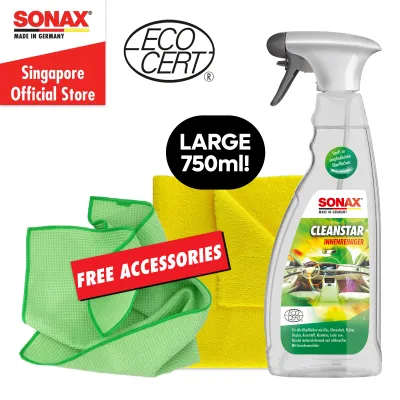
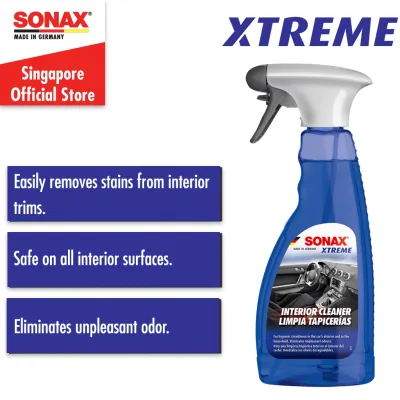
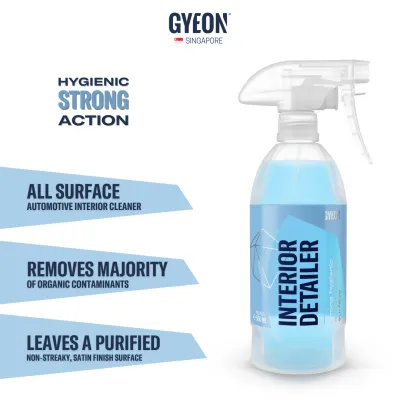
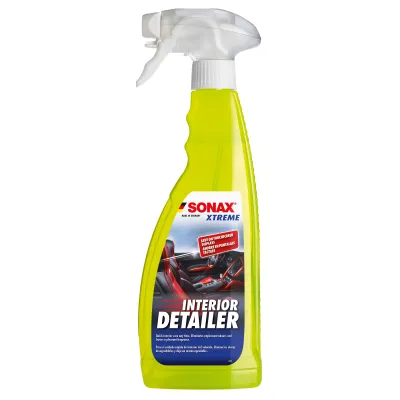
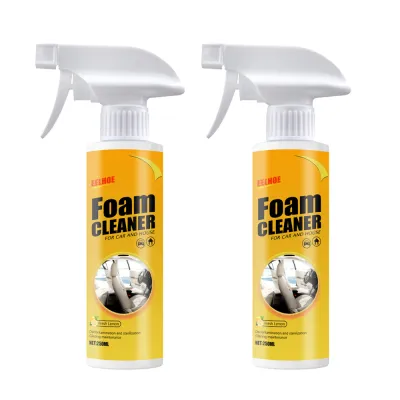
Prices are valid at publication and may change. Please refer to the product page for the latest price.
Different pH levels target specific types of contaminants. Acidic cleaners are highly effective at dissolving inorganic mineral deposits, such as water spots or road salt residues. However, because these are uncommon on interior surfaces, acidic products are seldom used inside the cabin, except for specialized glass cleaning. Alkaline cleaners, on the other hand, excel at breaking down organic soils, including body oils, sweat, grease, food spills, and accumulated grime. They work by emulsifying fats and neutralizing acidic soils, making them easier to wipe away.
Neutral cleaners do not rely on chemical reactions to break down dirt. Instead, they utilize surfactants to lower the surface tension of water, allowing the solution to lift and suspend light dust, fingerprints, and loose dirt so they can be wiped away safely. Using extreme pH levels on sensitive or coated interior materials carries significant risks. Highly alkaline solutions can strip the natural oils and protective coatings from leather, while strong acids can etch metal accents, degrade adhesives, and cause plastics to become brittle.
Matching Cleaners to Specific Car Interior Surfaces
Selecting the right cleaner requires evaluating the physical properties of the target material. Porous materials absorb liquids and residues, while non-porous surfaces hold chemicals on the surface where they can react quickly. Understanding these differences allows you to choose a product that cleans effectively without compromising the structural integrity of the surface.

Leather and Synthetic Leather
Leather and synthetic leather require gentle care to maintain their soft texture and appearance. Modern automotive leather is typically finished with a thin, clear protective topcoat designed to resist wear, moisture, and UV exposure. Using a cleaner with a high pH can strip this delicate factory coating, leaving the underlying material vulnerable to premature aging, drying, and cracking. Therefore, a neutral pH car interior cleaner is generally the safest and most effective choice for routine leather maintenance.
When cleaning leather, it is crucial to monitor the surface for visual and tactile signs of chemical damage. If you notice color transferring onto your microfiber cloth, the cleaner is likely too aggressive and is dissolving the leather dye or topcoat. Other warning signs include a stiff or dry texture after the surface dries, or an unnatural, patchy shine that indicates the matte protective layer has been compromised.
Because even mild cleaning can remove some of the material’s natural moisture, always follow up the cleaning process with a dedicated, pH-balanced leather conditioner. A proper conditioner restores essential oils, maintains flexibility, and helps preserve the soft feel of the leather. Ensure the conditioner is compatible with your specific leather type, whether natural, semi-aniline, or synthetic, by checking the product instructions.
Fabric and Carpets
Porous materials like fabric seats, headliners, and carpets present a different cleaning challenge. These surfaces easily trap deep stains, liquid spills, and odors within their fibers. To address these stubborn contaminants, mildly alkaline cleaners (typically with a pH between 8 and 10) are often utilized. The alkalinity helps break down organic spills, grease, and embedded soils that standard neutral cleaners cannot lift.
However, using alkaline cleaners on fabrics requires caution. Over-wetting the material can cause moisture to seep deep into the underlying seat foam, leading to mold, mildew, and unpleasant odors that are difficult to eliminate. Additionally, if alkaline cleaners are not thoroughly rinsed or extracted, they leave behind a sticky chemical residue. As this residue dries, it acts like a magnet for dirt, causing the fabric to re-soil rapidly and feel stiff or abrasive.
Before applying any foaming or liquid cleaner to dyed fabrics, always check for colorfastness. Spray a small amount of the cleaner onto a clean, white microfiber cloth and gently press it against an inconspicuous area of the fabric. If any dye transfers to the cloth, stop immediately, as the cleaner’s pH or chemical composition is too harsh for the fabric’s dye.
Hard Plastics, Vinyl, and Trim
Hard plastics, vinyl, and trim pieces make up a large portion of a vehicle’s interior. While these materials are generally durable, they are easily scratched, discolored, or degraded by improper chemical exposure. For daily dusting, fingerprint removal, and light grime maintenance on dashboards and door panels, neutral pH cleaners are the safest and most practical choice. They clean without leaving streaks or stripping the UV inhibitors embedded in the plastic.
In cases of heavy grease, sticky residues, or scuff marks, a slightly alkaline cleaner may be considered. However, these stronger solutions must be used sparingly and wiped away completely with a clean, water-dampened microfiber cloth. Leaving alkaline residues on plastic surfaces can lead to unsightly white streaks and chemical buildup.
Avoid using harsh solvents, household glass cleaners, or highly alkaline degreasers on interior plastics. In hot and humid climates like Singapore, the interior of a parked car can reach extreme temperatures. This heat accelerates chemical reactions, meaning harsh residues can quickly cause plastics to fade, turn brittle, develop sticky surfaces, or crack over time.
How to Verify Cleaner Safety Before Full Application
To prevent irreversible chemical damage to your vehicle’s interior, always perform a spot test before applying any new car interior cleaner. This simple precautionary step ensures the product is fully compatible with the specific material and will not cause discoloration or structural degradation.
Begin by selecting an inconspicuous, representative area for the initial compatibility test. Ideal locations include the underside of a seat adjustment plastic, a lower portion of the door panel pocket, or a small section of carpet located deep beneath the floor mats. Ensure the test area is made of the exact same material as the surface you intend to clean.
Apply a small amount of the cleaner to a microfiber cloth and gently wipe the test area. Allow the product to dry completely according to the manufacturer’s instructions. Once dry, inspect the area under direct, bright light. Observe the surface closely for any signs of color bleeding, texture changes, hazing, white spots, or a sticky residue that does not wipe away.
Establish clear stop conditions during your test. If you observe any immediate bubbling, color transfer, or softening of the material, stop the application immediately. Wipe the area thoroughly with a clean cloth dampened with plain water to neutralize and remove the chemical residue. If damage occurs, do not proceed with the product and consult a professional automotive detailer or your vehicle manufacturer for approved cleaning alternatives.
Reading Product Labels and Manufacturer Guidelines
Extracting critical compatibility, dilution, and usage instructions from product packaging and vehicle documentation is essential for safe detailing. Do not rely solely on marketing claims like “safe for all surfaces” without verifying the actual chemical properties and instructions.
Look closely at the product label for pH indicators, material warnings, and required dilution ratios. Many professional-grade car interior cleaners are sold as concentrates. These products must be diluted with water—ideally distilled water—to achieve the safe, intended pH level for specific surfaces. Failing to dilute a concentrate properly can result in an excessively high pH that can damage delicate cabin materials.
Next, cross-reference your vehicle owner’s manual. Manufacturers often include a dedicated section on interior maintenance, detailing specific restrictions or approved product types. For example, some modern vehicles feature specialized anti-reflective coatings on infotainment screens or delicate matte finishes on wood trim that can be permanently ruined by standard interior cleaners.
When a cleaner’s product instructions contradict the vehicle manufacturer’s official guidelines, always defer to the vehicle manufacturer. Your vehicle’s documentation is tailored specifically to the exact materials and coatings used in your model, making it the ultimate authority on safe maintenance practices.
Frequently Asked Questions (FAQ)
Can I use a single neutral pH cleaner for the entire car interior?
Yes, a high-quality neutral pH car interior cleaner is an excellent choice for routine maintenance, dusting, and light cleaning across almost all surfaces, including leather, plastic, and vinyl. However, neutral cleaners have limitations. They may lack the chemical strength required to break down heavy grease, deep fabric stains, or embedded organic spills, which often require specialized, mildly alkaline cleaners or dedicated fabric extractors.
Does the pH level of a cleaner affect its scent or fragrance?
The pH level itself does not dictate the scent, but highly alkaline or acidic cleaners often have strong, pungent chemical odors. Manufacturers frequently add synthetic fragrances to mask these chemical smells. For enclosed cabin spaces, fragrance-free or naturally scented options are generally preferred to prevent respiratory irritation and avoid leaving a heavy, artificial scent trapped inside the vehicle.
Community discussion
Share your experience or ask a question. Comments are reviewed before publication.