
Finding a missing valve cap on your car tire might seem like a minor inconvenience, but replacing it with the wrong size or material can lead to slow pressure leaks, seized threads, or even damage to your tire pressure monitoring system. Fortunately, identifying the correct valve cap is a straightforward process once you understand the standard specifications used by automotive manufacturers. Most passenger vehicles on the road utilize a highly standardized valve system, making it easy to find compatible replacements if you know what to look for.
Identifying Your Car's Tire Valve Stem Type
Before purchasing a replacement cap, you must identify the type of valve stem installed on your wheels. The vast majority of modern passenger cars, SUVs, and light trucks are equipped with Schrader valves. These stems are easily recognizable by their rubber-coated or metal cylindrical bodies, featuring a threaded external tip and a spring-loaded check valve pin in the center.
While passenger vehicles almost universally rely on the Schrader design, larger commercial vehicles, heavy-duty trucks, or specialized agricultural equipment sometimes utilize larger industrial valve variants. Conversely, high-performance racing wheels or certain European bicycle tubes may feature slender Presta or Dunlop valves, which are entirely different in diameter and mechanism. Confirming that your vehicle uses a standard automotive Schrader stem is the essential first step, as caps designed for other valve families will not thread onto your tires.
Products mentioned in this guide
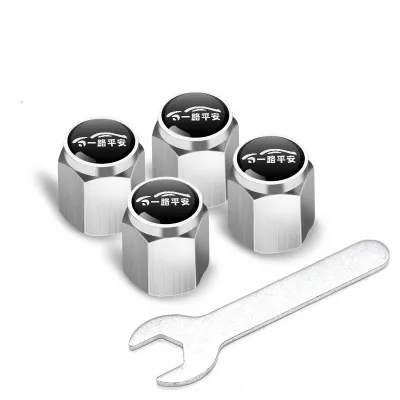
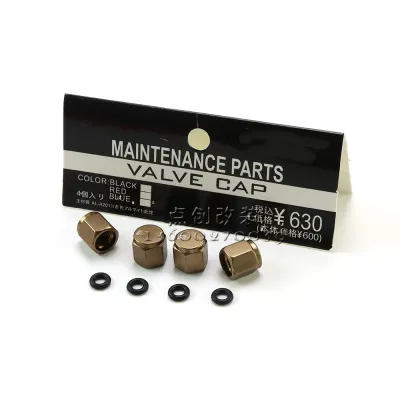
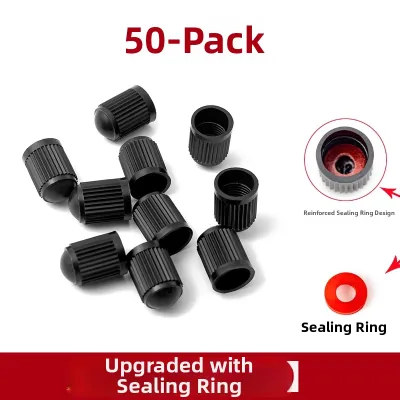
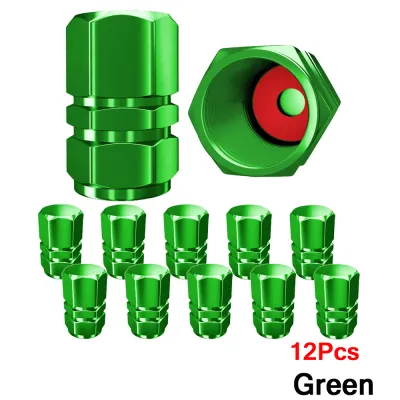
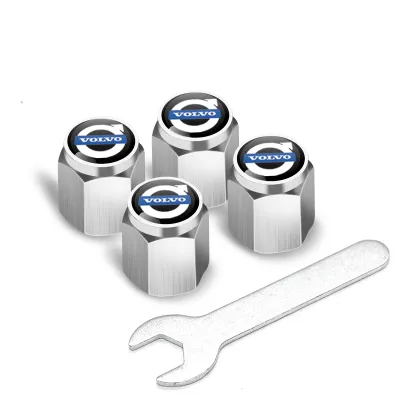
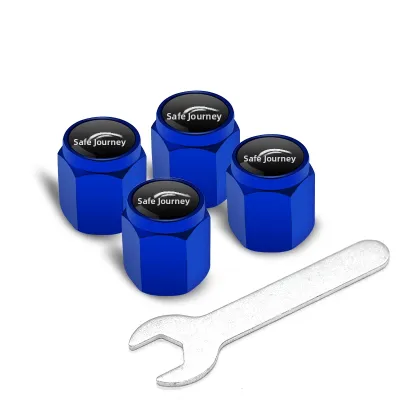
Prices are valid at publication and may change. Please refer to the product page for the latest price.
Decoding Valve Cap Thread Sizes and Standards
The standard automotive Schrader valve stem is designated globally by engineering standards, typically referred to as the 8V1 thread. In technical terms, this specification features an outer diameter of approximately 7.7 mm (0.305 inches) and a thread pitch of 32 threads per inch (TPI). Because this standard has been adopted worldwide for decades, almost all universal aftermarket valve caps sold in auto parts stores or online marketplaces are designed to fit this exact size.

However, drivers occasionally encounter non-standard threads when dealing with custom aftermarket wheels, vintage vehicles, or specialized heavy-duty valve extensions. Some recessed valve stems require extended-reach caps, while certain decorative or high-security caps may feature proprietary locking threads that require a matching key. If your vehicle features original factory wheels, you can confidently assume that standard 8V1 caps will thread on smoothly without resistance.
Navigating TPMS Sensor Requirements
Modern vehicles are equipped with a Tire Pressure Monitoring System (TPMS) to alert you to low inflation levels. Many of these systems use direct TPMS sensors, where the pressure sensor is integrated directly into the base of the metal valve stem inside the wheel. If your car has these metallic, rigid valve stems, choosing the wrong aftermarket cap material can lead to severe mechanical issues.
The primary risk with metal valve stems is galvanic corrosion. When two dissimilar metals—such as an aluminum valve stem and a brass or steel valve cap—come into contact in the presence of moisture and road salt, they can chemically bond over time. This process can permanently seize the cap to the stem, often requiring the entire expensive TPMS sensor assembly to be replaced. To prevent this, many manufacturers recommend using high-quality plastic caps or specialized metal caps that feature a protective, non-reactive internal lining or plastic sleeve.
Choosing the Right Valve Cap Material and Seal
When selecting new valve caps, you must weigh the trade-offs between plastic and metal options. Plastic caps are highly affordable, lightweight, and completely immune to galvanic corrosion, making them an excellent, low-risk choice for daily driving. However, basic plastic can degrade, crack, or become brittle when exposed to prolonged sunlight and extreme temperatures.
Metal caps, often made of aluminum, brass, or stainless steel, offer superior physical durability and a more premium aesthetic. If you choose metal, look for caps equipped with an internal rubber O-ring. While the primary seal that holds air inside the tire is the valve core itself, a cap with a rubber O-ring acts as a crucial secondary barrier, preventing slow leaks if the core becomes slightly loose or contaminated with dirt.
In tropical, high-humidity environments like Singapore, the combination of constant moisture and ambient heat accelerates chemical reactions and material degradation. For these driving conditions, high-quality composite plastic caps or anodized aluminum caps with integrated rubber seals and plastic internal threads offer the best balance of longevity and safety. A standard set of replacement plastic or basic metal caps typically costs under S$10, making them an inexpensive but vital investment in your vehicle’s wheel maintenance.
How to Measure and Verify Fitment
If you want to verify your valve stem dimensions before buying a new set of caps, you can perform a quick physical check. Using a digital caliper, measure the outer diameter of the threaded portion of the stem; a standard passenger car stem will measure just under 8 mm. You can also test the fitment by gently threading a known standard cap from another passenger vehicle onto the stem by hand.
Always consult your vehicle owner’s manual or check the tire information placard located on the driver’s side door jamb for any specific wheel and valve requirements. If you attempt to thread a new cap and encounter immediate resistance, do not force it. Forcing a mismatched or cross-threaded cap can strip the delicate brass threads of the valve stem. If the threads on your valve stem appear flattened, corroded, or stripped, stop immediately and visit a professional tire shop to have the valve stem or core replaced safely.
Frequently Asked Questions (FAQ)
Can I use a bicycle Presta valve cap on my car?
No, bicycle Presta valve caps will not fit your car’s tires. Presta valves are significantly narrower than the standard Schrader valves used on passenger vehicles and feature a completely different thread pitch and diameter. Attempting to force a Presta cap onto a car’s valve stem will damage the threads and fail to provide any protection.
Do valve caps actually keep air in the tire?
The primary component holding air inside your tire is the spring-loaded valve core located inside the stem. However, the valve cap plays a vital protective role by keeping dirt, water, road debris, and dust out of the valve core, which could otherwise cause a slow leak. Caps equipped with an internal rubber O-ring also serve as a secondary seal to contain air if the main valve core fails.
What should I do if my valve cap is stuck or cross-threaded?
If a valve cap is seized, apply a small amount of penetrating oil directly to the threads and let it sit for several minutes. Use a pair of pliers to gently grip the cap, applying light, steady counter-clockwise pressure while holding the rubber valve stem stable with your other hand to prevent tearing it. If the stem is equipped with a delicate TPMS sensor or if the cap refuses to budge, seek assistance from a professional tire technician to avoid costly damage.

Community discussion
Share your experience or ask a question. Comments are reviewed before publication.