
To keep your car’s paintwork pristine, you cannot rely on a single, all-purpose cloth. Achieving a flawless, swirl-free finish requires matching the specific weave, pile height, and edge design of a microfibre cloth to the task at hand. Using the wrong cloth can trap abrasive road grit against your clear coat, causing fine scratches that dull your car’s shine over time.
In tropical climates like Singapore, where frequent downpours and high humidity make regular washing essential, choosing the correct detailing tools is critical. Dust, soot, and rain spots can quickly bake onto the surface under the intense sun, requiring precise techniques to remove safely. By understanding how different microfibre structures interact with your car’s surfaces, you can protect your investment and maintain a showroom-like gloss.
Quick Guide: Matching Microfibre Cloths to Detailing Tasks
Using the correct microfibre cloth for each detailing stage is a highly effective way to prevent accidental paint marring. Different tasks require different physical characteristics to either lift dirt, buff away residue, or absorb large volumes of water.
Products mentioned in this guide
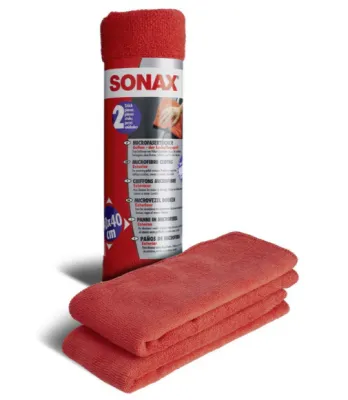
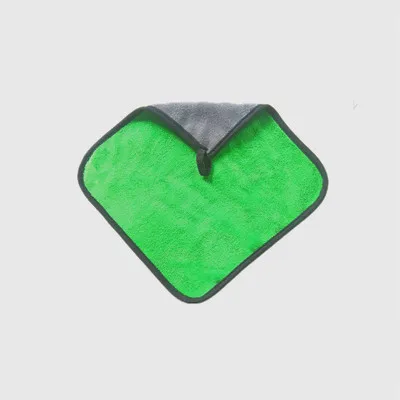

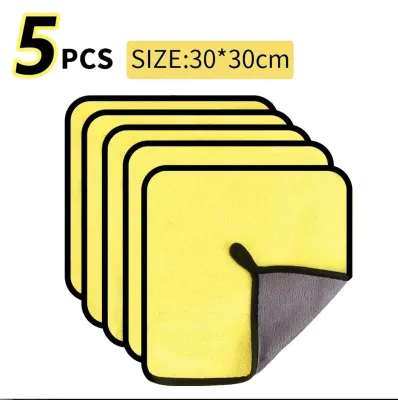
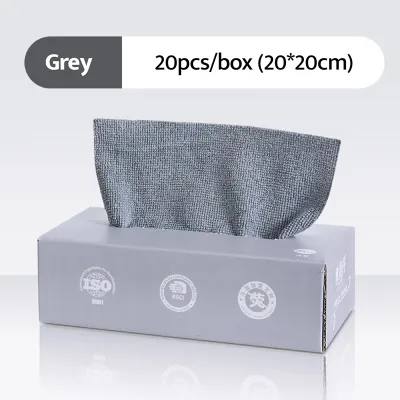
Prices are valid at publication and may change. Please refer to the product page for the latest price.
The table below outlines the recommended specifications for each primary car care task:
| Task | Recommended Pile Height | Weave Type | Edge Style | Primary Function |
|---|---|---|---|---|
| Washing | High Pile / Plush | Chenille or Long Loop | Edgeless or Soft Satin | Lifting and trapping heavy grit safely |
| Polishing & Waxing | Low to Medium Pile | Closed Loop / Dual Pile | Edgeless | Removing residue and final buffing |
| Drying | High Pile / Heavyweight | Twisted Loop or Waffle Weave | Soft Suede or Edgeless | Rapid water absorption without dragging |
| Glass Cleaning | Flat / No Pile | Waffle Weave or Smooth | Ultrasonic Cut / Edgeless | Streak-free clarity without linting |
Matching these physical traits to your detailing steps ensures that the cloth performs its intended function without dragging contaminants across the delicate clear coat.
Washing: Selecting Cloths for Safe Dirt Removal
When washing your car, the primary goal is to lift abrasive road grime and environmental fallout away from the paintwork without scrubbing them into the clear coat. This requires a microfibre cloth or wash mitt with a deep, plush pile. High-pile cloths feature long, loose fibers that create a physical space where dirt particles can be safely channeled away from the contact surface.

Standard flat-weave cloths lack this depth, meaning any trapped grit remains pressed directly against your paint, acting like fine sandpaper. For a safer contact wash, look for chenille microfibre wash mitts or thick, high-pile cloths with a high grams-per-square-meter (GSM) rating, typically 400 GSM or above. These structures hold a large volume of soapy water, providing the lubrication necessary to glide smoothly over the panels.
The edges of the cloth are another common source of micro-scratches. Traditional utility cloths often feature rough polyester stitching or hard nylon borders that can easily mar soft clear coats. To eliminate this risk, select edgeless designs where the fabric is ultrasonically cut, or options finished with soft satin borders.
Before you begin washing, always check the manufacturer’s label to verify that the material is rated as paint-safe and intended for automotive exterior use. Some general household microfibre cloths contain coarser polyester blends designed for scrubbing tough kitchen surfaces, which are far too aggressive for automotive clear coats.
Polishing and Waxing: Achieving a Streak-Free Gloss
Polishing and waxing require a completely different cloth dynamic than washing. Instead of lifting loose dirt, you are leveling out cured chemical residues, polishes, or waxes to reveal a smooth, reflective surface. This task demands a cloth that can bite into the residue to remove it, while remaining soft enough not to scratch the freshly polished paint.
For the initial removal of compound or polish residue, a low-to-medium pile cloth (around 300 to 350 GSM) with a tight, closed-loop weave is highly effective. The shorter fibers provide the necessary friction to break down and lift away sticky wax or polish films without clogging immediately. Once the bulk of the product is removed, you can switch to a plush, high-pile cloth for the final buffing stage to bring out a deep, streak-free gloss.
Linting is a major frustration during the polishing stage, as tiny loose fibers can ruin an otherwise perfect finish. Ensure your selected cloths are constructed from a high-quality, lint-free split microfibre blend, typically an 80/20 or 70/30 ratio of polyester to polyamide. Polyamide provides the softness and absorbency, while polyester gives the cloth its scrubbing structure.
Never use a cloth for polishing that has previously been used for heavy cleaning tasks, even if it has been washed. Microscopic particles of metal or grit can remain trapped deep within the fibers, ready to be dragged across your paint during the high-pressure buffing process. Dedicate a specific set of pristine, high-quality cloths solely for your polishing and waxing steps.
Drying: Maximizing Absorbency to Prevent Water Spots
Drying your car quickly is essential to prevent unsightly water spots, especially in warm climates where water evaporates rapidly on hot panels. To dry a vehicle safely, you need a dedicated drying towel designed to hold several times its weight in water, allowing you to dry the entire car with minimal passes.
Twisted loop and waffle weave structures are highly recommended options for automotive drying. Twisted loop towels feature long fibers twisted into tight bundles, which dramatically increases the surface area and capillary action, pulling water deep into the core of the towel. Waffle weave towels use a distinct concave pattern that traps water droplets as you glide the cloth across the surface, making them excellent for glass and lighter drying tasks.
Size and thickness are critical considerations when selecting a drying towel. A large, heavy towel (ranging from 500 to over 1000 GSM) can absorb enough water to dry an entire mid-sized sedan or SUV without needing to be wrung out. This efficiency reduces the number of times you must drag a cloth across the paint, lowering the risk of introducing wash marring.
When purchasing a drying towel, inspect it to ensure there are no stiff plastic tags or silicone-treated edges. Some manufacturers attach care labels with hard adhesives that can scratch paint if dragged under pressure. Always peel or carefully cut these tags off before the first use to reduce the risk of scratching during drying.
Cross-Task Compatibility: Can You Use One Cloth for Everything?
It is highly tempting to buy a large pack of cheap, identical utility microfibre cloths and use them for every step of your car care routine. However, this approach is one of the most common causes of paint damage and swirl marks. A cloth that has been used to clean greasy engine bays or brake-dust-heavy wheels should never touch your car’s delicate exterior paintwork.
Even after a thorough machine wash, microscopic contaminants, metallic brake dust, and oily residues can remain embedded in the microfibre structure. If you use that same cloth to buff wax or dry your hood, you risk transferring those abrasive particles directly onto your clear coat. To prevent this cross-contamination, you must establish a strict separation of tasks.
Implementing a color-coded system is the easiest way to organize your detailing arsenal. For example, you might reserve blue cloths exclusively for glass, yellow for paint polishing, green for interior surfaces, and black or grey for dirty areas like wheels, door jambs, and engine bays. This visual system ensures you never accidentally grab a wheel cloth to wipe down your freshly polished hood.
Over time, even your best paint-safe cloths will begin to wear out, lose their softness, or accumulate stubborn stains. Instead of throwing them away, retire these older cloths to less critical tasks. A degraded polishing cloth can find a second life cleaning interior plastics, leather seats, or exhaust tips, keeping your newest and softest cloths reserved strictly for delicate paintwork.
Care and Maintenance: Preserving Cloth Softness and Safety
The longevity and safety of your microfibre cloths depend heavily on how you wash and store them. Because microfibre is designed to attract and hold onto dirt, washing it incorrectly can ruin its electrostatic properties and harden the fibers, turning a soft cloth into a scratching hazard.
Always wash your microfibre cloths separately from other household laundry, especially cotton towels. Cotton sheds lint excessively, and the microfibre will eagerly trap these cotton fibers, rendering your detailing cloths highly prone to linting during use. Group your microfibre cloths by task as well, washing heavily soiled wheel and engine cloths in a separate load from your delicate polishing and drying towels.
When laundering microfibre, use a dedicated microfibre wash solution or a mild, liquid detergent free of perfumes, dyes, and fabric softeners. Fabric softeners work by coating fibers with a thin layer of lubricating chemicals, which clogs the microscopic pores of the microfibre, drastically reducing its absorbency and cleaning power. Wash in cold or warm water, as high heat can actually melt the polyester and polyamide fibers, causing them to shrink and harden.
Before storing your clean cloths, inspect each one individually. Feel the edges and surfaces for any embedded twigs, dried leaves, or hardened grit that didn’t wash out, and remove them immediately. Store your clean, dry microfibre cloths in sealed plastic bins or zip-lock bags to protect them from airborne dust and garage grime, ensuring they remain clean and ready for your next detailing session.
Frequently Asked Questions (FAQ)
How do I know if a microfibre cloth is safe for clear coat?
To verify if a microfibre cloth is safe for your car’s clear coat, perform a simple physical inspection before use. Gently stretch the cloth to check for flexibility; high-quality, paint-safe cloths should feel soft and yielding, without any stiff backing material. Run your hand over the edges to ensure there are no hard polyester threads, heat-sealed borders, or rigid plastic tags that could scratch the paint. If you are uncertain about a cloth’s origin or quality, perform a scratch test on an inconspicuous area, such as the inside of the door jamb or the lower bumper, before using it on highly visible panels.
Should I use a different cloth for car windows and paint?
Yes, you should always use separate, dedicated cloths for your car windows and paintwork to avoid streaking and cross-contamination. Cloths used on paint often accumulate residues from waxes, polishes, and quick detailers, which will leave a greasy, hazy film on glass that impairs visibility, especially during night driving or heavy rain. For glass, select a low-pile or waffle-weave microfibre cloth designed specifically for windows, as these structures glide smoothly and leave no lint behind. Store your glass-cleaning cloths in a separate, sealed container to prevent them from picking up airborne dust or overspray from other detailing products.

Community discussion
Share your experience or ask a question. Comments are reviewed before publication.