
Selecting the right car umbrella sunshade requires evaluating size compatibility, material heat-blocking capabilities, handle design, and protective tips. When parking under the intense tropical sun, cabin temperatures can rise rapidly, placing immense stress on your dashboard, leather upholstery, and sensitive electronics. While traditional folding sunshades can be bulky and difficult to store, an umbrella-style sunshade offers a compact, quick-deploying alternative. However, choosing an ill-fitting or poorly constructed model can lead to light leakage, dashboard scratches, or interference with your vehicle’s center console.
To find a shade that effectively protects your vehicle, you must look beyond generic marketing claims and focus on verifiable specifications. A systematic approach involves measuring your windshield accurately, verifying the quality of the reflective coatings, assessing the mechanical design of the handle, and ensuring the frame has adequate safety features to protect your interior. By focusing on these practical details, you can select a durable accessory that keeps your cabin cooler and preserves your vehicle’s interior value.
Verifying Windshield Dimensions and Fit
Achieving a snug fit against your windshield is the most critical factor in blocking solar heat. If a sunshade is too small, gaps around the edges will allow sunlight to penetrate, creating localized hot spots that defeat the purpose of the shade. Conversely, an oversized shade will bunch up, putting unnecessary pressure on your A-pillars, headliner, and rearview mirror mount.
Products mentioned in this guide
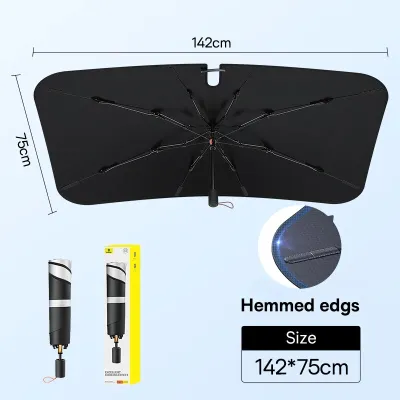
![Car Windshield Sunshade Umbrella UV Protection [ Interior Temperature Reduction Car Foldable Accessories ]](https://img.lazcdn.com/g/p/adff6e9e5f18b905b6f38c84710c1276.jpg_400x400q80.jpg_.webp)
![[✅SG Ready Stock] Car Sun Umbrella Sun Shields Dash Covers Automobile Interior Accessories Paraso Windshield UV Sunshade Umbrella](https://img.lazcdn.com/g/p/59e698b9187e970f068ac60760f13d65.jpg_400x400q80.jpg_.webp)
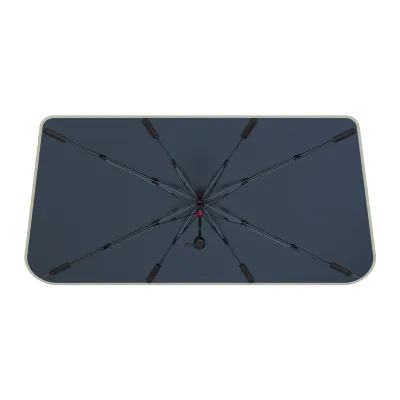
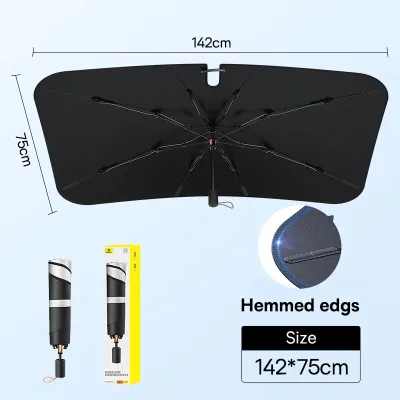
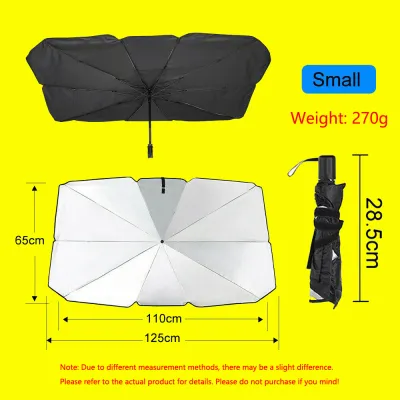
Prices are valid at publication and may change. Please refer to the product page for the latest price.
To determine the correct size, do not rely solely on the generic vehicle compatibility lists provided on online marketplaces. Instead, take physical measurements of your windshield using a flexible measuring tape. Measure the maximum width along the bottom of the glass from the driver-side A-pillar to the passenger-side A-pillar. Next, measure the vertical height from the base of the dashboard where it meets the glass up to the top edge near the headliner. Finally, measure the diagonal distance from one top corner to the opposite bottom corner to account for the curvature of the glass.
Once you have these measurements, compare them directly against the manufacturer’s specified dimensions. Most car umbrella shades are sold in standard size categories, such as small, medium, or large, with each category corresponding to a specific width and height range. Look for products that offer adjustable rib limits or flexible outer fabric edges, which allow the shade to conform more easily to the unique contours of your windshield.
Pay close attention to how the sunshade accommodates your rearview mirror and any built-in safety sensors or dashcams. High-quality umbrella shades feature a dedicated cutout or a split top section secured by a hook-and-loop fastener. This design allows the fabric to wrap securely around the mirror bracket, preventing sunlight from leaking through the center while ensuring the frame does not put physical pressure on sensitive electronic housings or camera lenses mounted on the glass.
Evaluating Heat Protection and Material Labels
An effective car umbrella shade relies on advanced materials to reflect solar radiation rather than absorbing it. When browsing options, you will encounter various marketing terms promising superior heat reduction. To make an informed decision, you must understand how to identify genuine heat-blocking materials and verify their performance labels.

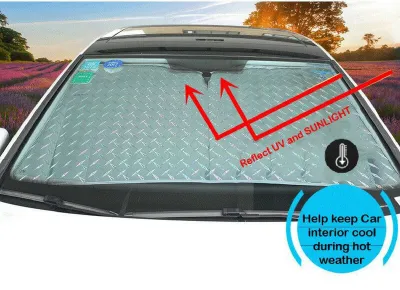
Look for sunshades that feature a multi-layered fabric construction. The outer-facing layer should have a highly reflective silver coating, typically made of titanium silver or a specialized silver glue compound. This reflective layer is responsible for bouncing ultraviolet (UV) and infrared (IR) rays away from the vehicle. You can visually inspect this coating upon delivery; it should appear uniform, smooth, and free of pinholes or flaking. The inner-facing layer is usually a high-density black impact cloth or pongee fabric, which absorbs any residual light and prevents glare inside the cabin.
To verify the UV-blocking capabilities of a sunshade, check the product packaging or official specifications for certified ratings. Look for a Ultraviolet Protection Factor (UPF) label, ideally UPF 50+. This certification indicates that the fabric blocks a significant portion of harmful UV radiation, protecting your dashboard from cracking and fading over time. Avoid products that lack clear material specifications or certified UV labels, as thin, single-layer polyester fabrics offer minimal thermal protection.
Fabric thickness and structural density are also reliable indicators of durability and light blockage. A simple way to assess this is by holding the unfolded shade up to a bright light source. A high-quality shade with sufficient density will block the light completely, whereas a lower-quality alternative will allow light to filter through the weave of the fabric. Choosing a dense, certified material ensures the shade remains effective even during prolonged exposure to high temperatures.
Assessing the Umbrella Mechanism and Usability
The primary appeal of an umbrella-style sunshade is its convenience, allowing you to deploy and store it in seconds. However, the mechanical design of the frame and handle can vary significantly, impacting how easy the shade is to use on a daily basis within the tight confines of your car cabin.
Standard umbrella shades often feature a rigid, straight metal handle similar to a traditional rain umbrella. While functional, this design can be problematic in modern vehicles with large infotainment screens, prominent gear shifters, or low-hanging dashboards. A rigid handle can press directly against these components, risking scratches or structural damage. To avoid this, look for sunshades designed with a bendable, flexible, or telescopic handle. These handles can be angled downward or sideways, resting safely against the console without putting pressure on sensitive electronics.
Evaluate the opening and closing mechanism of the shade. The central runner should slide smoothly along the shaft and lock securely into place without requiring excessive force. A push-button release or a smooth slide latch is highly desirable, as it prevents your fingers from getting pinched during operation. Since you cannot always test this before purchasing, read verified user feedback on online retail platforms to check for reports of stiff mechanisms, jamming, or structural failure of the central spring.
Finally, consider the folded dimensions of the sunshade and the quality of its storage accessories. A major advantage of this product type is its compact storage footprint. Verify that the folded length allows the shade to fit easily into your glovebox, center console, door side pockets, or seatback pockets. The inclusion of a durable, heat-resistant storage pouch—such as one made of synthetic leather or heavy-duty nylon—is essential for protecting the reflective coating from getting scratched or degraded when the shade is not in use.
Checking Safety Features and Interior Protection
While protecting your car from solar heat is important, the sunshade itself must not introduce new risks to your vehicle’s interior. Because these shades utilize a metal or fiberglass rib structure under tension, poor design choices can lead to scratches, tears, or mechanical interference.
Inspect the tips of the umbrella ribs carefully. In a standard umbrella, these tips are often sharp metal or hard plastic. For an automotive sunshade, it is crucial that every rib tip is equipped with a soft, protective cap made of silicone, rubber, or wrapped fabric. These protective caps prevent the structural ribs from scratching the interior glass of your windshield or gouging the soft-touch materials on your dashboard and A-pillars. If a product lacks these protective covers, or if they appear poorly secured, avoid using it, as the constant tension of the frame can easily damage your vehicle.
Ensure the handle length and angle do not interfere with your driving controls. When deployed, the handle should rest in a position that does not obstruct the steering wheel, gear shifter, or emergency brake. This is particularly important if you need to leave the shade up while sitting in the parked vehicle with the engine idling. A flexible handle design is the most effective way to mitigate this risk, as it allows you to customize the angle to suit your specific cabin layout.
Additionally, verify that the shade features a secure locking mechanism to prevent unexpected collapse. The tension of the windshield glass holds the shade in place, but a reliable mechanical lock on the shaft ensures the frame remains fully expanded. A sudden collapse of the shade while parked can cause the metal frame to snap back against your dashboard, potentially damaging screens or knocking your rearview mirror out of alignment.
Building Your Shortlist: Specifications to Compare
When comparing different car umbrella shades on online retail platforms, creating a structured comparison framework helps you filter out low-quality options. By focusing on objective specifications rather than promotional claims, you can identify the best value for your budget.
Use the following comparison matrix to evaluate potential candidates during your shopping process:
| Specification | Key Checkpoints | Why It Matters |
|---|---|---|
| Dimensions | Exact width, height, and diagonal measurements | Ensures a snug fit without gaps or excessive pressure on A-pillars. |
| Material Coating | Titanium silver or silver glue with UPF 50+ label | Reflects UV and IR rays effectively to prevent cabin heat buildup. |
| Handle Design | Bendable, flexible, or telescopic shaft | Prevents the handle from scratching screens or interfering with the console. |
| Tip Protection | Silicone, rubber, or fabric-wrapped caps | Protects the windshield glass and dashboard from scratches and gouges. |
| Mirror Cutout | Split top section with hook-and-loop fastener | Allows secure fitment around the rearview mirror and sensor housings. |
| Storage Pouch | Included leather or heavy-duty nylon sleeve | Protects the reflective coating from damage when stored in the glovebox. |
When evaluating price points, expect to find basic models starting around S$15, while premium options featuring flexible handles, reinforced fiberglass ribs, and certified UPF coatings typically range from S$25 to S$40. While it may be tempting to choose the cheapest option, investing slightly more in a model with robust safety features and a flexible handle can save you from costly repairs to your dashboard or infotainment screen.
Always read customer reviews on online marketplaces to identify potential red flags. Look for recurring complaints regarding broken ribs, poor edge stitching, or handles that scratch the center console. Pay attention to reviews from owners of the same vehicle model as yours, as they can provide valuable insights into real-world fitment and usability.
Proper Installation and Storage Guidelines
To maximize the lifespan of your car umbrella sunshade and protect your vehicle’s interior, you must follow correct handling and maintenance routines. Improper installation can bend the frame, while poor storage habits can degrade the reflective coatings.
When installing the sunshade, follow this sequence:
- Sit in the driver or passenger seat and remove the shade from its storage pouch.
- Carefully unfold the fabric inside the cabin, ensuring the silver reflective side faces outward toward the windshield.
- Position the bottom edge of the shade against the base of the windshield where it meets the dashboard.
- Gently push the central runner along the shaft to open the umbrella, guiding the ribs into the corners of the windshield.
- Once the mechanism locks into place, wrap the top cutout around your rearview mirror bracket and secure the fastener.
- Lower your vehicle's sun visors to press against the top edge of the shade, providing additional stability and holding it flush against the glass.
Never force the ribs open if you feel resistance. If a rib catches on a dashboard accessory, phone mount, or the rearview mirror, gently back the mechanism off, adjust the position of the shade, and try opening it again. Forcing the frame can bend the structural ribs or damage your vehicle’s built-in sensors.
Proper maintenance is also essential for preserving the reflective coating. If condensation builds up on the windshield, the fabric of the shade may become damp. Always allow the shade to air-dry completely in a shaded area before folding it and placing it back into its storage pouch. Storing a damp sunshade in a sealed pouch can lead to mold, mildew, and unpleasant odors inside your cabin. If the fabric becomes dusty or dirty, clean it according to the manufacturer’s instructions to avoid stripping the protective layers.
Frequently Asked Questions (FAQ)
Will an umbrella sunshade scratch my windshield or dashboard?
An umbrella sunshade can scratch your windshield or dashboard if the structural metal ribs are exposed. To prevent this, always verify that the product you choose features soft protective caps made of silicone, rubber, or wrapped fabric on all rib tips. When installing the shade, avoid dragging the tips across the dashboard surface; instead, lift and position the shade gently before expanding the frame. If you notice that a protective cap has become worn, torn, or dislodged, stop using the shade immediately until you can repair or replace it.
Can I use a standard rain umbrella instead of a dedicated car sunshade?
You should not use a standard rain umbrella as a car sunshade. Standard rain umbrellas lack the specialized reflective titanium silver coatings and certified UV-blocking layers required to reject solar heat. Furthermore, their rigid, long handles and sharp metal tips are not designed for the tight confines of a vehicle cabin, making them highly likely to scratch your dashboard, damage your infotainment screen, or crack your windshield. Standard umbrellas can also degrade or warp when subjected to the extreme temperatures of a closed vehicle.
How do I clean a car umbrella shade if it gets dirty?
To clean your car umbrella shade, wipe down the fabric gently using a soft microfiber cloth dampened with water and a mild, non-abrasive soap. Avoid using harsh chemical solvents, bleach, or abrasive scrubbing brushes, as these substances can strip away the reflective silver coating and degrade the UV-blocking properties of the fabric. After wiping the shade clean, open it fully and allow it to air-dry completely in a shaded, well-ventilated area before folding it and returning it to its storage pouch.

Community discussion
Share your experience or ask a question. Comments are reviewed before publication.