
Choosing the right car window sun shield in Singapore depends heavily on where your vehicle spends most of its day. If you primarily park in open-air HDB carparks, your vehicle faces intense, direct tropical sunlight and rapid cabin heat buildup, requiring a heavy-duty, highly reflective front windshield shield. Conversely, if your car is parked in sheltered condo or shopping mall carparks, your primary needs shift toward basic side-window light blocking, privacy, and quick-to-deploy foldable shades. Balancing these environments ensures you protect your car’s interior without overspending on unnecessary features.
Assessing Your Primary Parking Environment
To make an informed decision, you must first evaluate your daily driving and parking routine. In Singapore, parking spaces generally fall into two distinct categories, each presenting unique challenges for your vehicle’s interior.
Open-air HDB carparks expose your vehicle to direct, unfiltered sunlight for hours at a time. This continuous exposure leads to extreme heat accumulation inside the cabin, which can accelerate the wear and tear of your dashboard, steering wheel, and upholstery. The constant cycle of heating and cooling also puts a strain on your car’s air conditioning system when you start driving.
Products mentioned in this guide

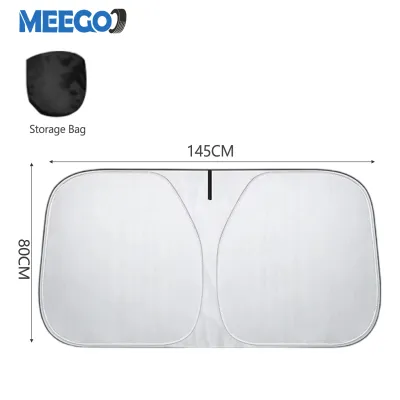
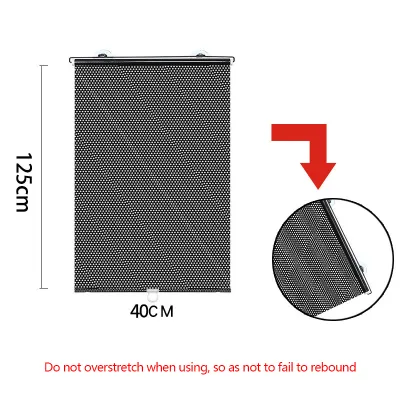
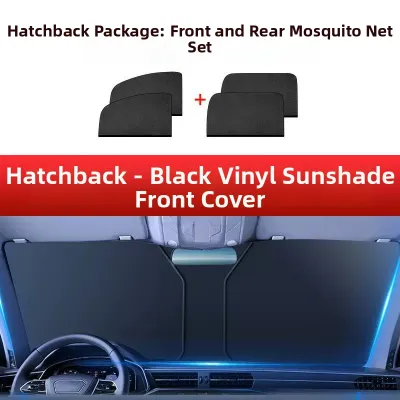
Prices are valid at publication and may change. Please refer to the product page for the latest price.
Indoor carparks, such as those found in modern condominiums, office buildings, and shopping malls, offer a completely different environment. Here, your car is shielded from direct UV rays and rain. The ambient temperature remains relatively stable, meaning your cabin does not experience the same rapid heat spikes. In these settings, a heavy-duty reflective shield is rarely necessary, and your focus can shift to simpler solutions.
Many drivers experience a mixed parking routine, where they park in an open-air HDB lot overnight but use a sheltered office carpark during the day. To determine the best setup for a mixed routine, calculate the total hours your vehicle spends under direct sunlight. If your car sits outdoors during the peak sun hours of 11:00 AM to 4:00 PM, you should prioritize a high-quality reflective front shield, even if your overnight parking is fully sheltered.
Matching Sun Shield Types to Parking Scenarios
Once you understand your primary parking environment, you can match it to the correct type of car window sun shield. Different designs serve different purposes, and choosing the wrong one can lead to poor heat rejection or unnecessary hassle.

Windshield sun shields are your primary line of defense against solar heat. When shopping, check product labels to distinguish between reflective and absorptive materials. Reflective shields, often coated with a silver or aluminum foil layer, are designed to bounce solar radiation away from the glass. These are highly recommended for open-air HDB carparks. Absorptive shades, which are typically darker and made of mesh or fabric, absorb heat rather than reflecting it. While they work well for short outdoor stops or semi-sheltered spaces, they are less effective for prolonged outdoor parking because the absorbed heat eventually radiates into the cabin.
Side and rear window shades play a crucial supplementary role. While the front windshield lets in the most heat due to its size and angle, side windows also contribute to cabin warming. For indoor or semi-sheltered parking, side shades are excellent for maintaining privacy and keeping low-angle sunlight from fading rear seats or child safety seats. If you have a mixed parking routine, a combination of a reflective front shield and magnetic side shades offers the most versatile protection.
You must also choose between umbrella-style and foldable designs. Umbrella-style sun shields have gained popularity because they deploy quickly by opening like a standard umbrella against the inside of the windshield. However, they feature a central metal shaft and rigid support ribs that can scratch your dashboard or put pressure on delicate digital infotainment screens if not handled carefully. Foldable wire-ring or accordion-style shades require a bit more manual effort to fold and unfold, but they pack completely flat. This flat profile allows you to slide them easily under a seat or into a door pocket, making them a highly practical choice for daily use.
Key Features to Check Before Buying
Before purchasing a car window sun shield, you should verify several physical characteristics and specifications to ensure compatibility and durability.
Dimensions and fitment are the most critical factors. Do not rely solely on generic size categories like “medium” or “SUV.” Instead, use a physical tape measure to find the exact height and width of your front windshield from the inside of your vehicle. Measure from the base of the dashboard to the top edge near the sun visors, and from pillar to pillar. Compare these measurements against the dimensions listed on the product packaging or the manufacturer’s official fitment guide. A shield that is too small will let in significant amounts of light, while one that is too large will sag and fail to stay in place.
Material and structure should be inspected closely. Look for multi-layer construction in product descriptions. A robust sun shield typically features an outer reflective layer, a middle insulation layer (such as air bubbles or foam), and a soft inner backing that will not scratch your dashboard. Examine the frame construction as well; flexible steel wire frames should be fully enclosed in durable fabric stitching to prevent the metal from rubbing against your car’s interior pillars.
Finally, evaluate the installation mechanisms. Suction cups are a traditional choice, but they can lose suction and fall off when the glass becomes extremely hot. They can also leave circular residue marks on your glass. Static cling shades are highly convenient for side windows as they adhere directly to the glass without adhesives, but they require a perfectly clean surface to stay secure. Expandable tension frames, which press gently against the window frame rather than the glass itself, are often the best choice if your vehicle has aftermarket window tints, as they minimize the risk of peeling or scratching the tint film.
Installation, Maintenance, and Safety Boundaries
Proper installation and routine maintenance are essential to ensure your sun shield performs effectively and safely over its lifespan.
When installing your front windshield shield, perform a thorough fitment check. Ensure the shield fits snugly around your rearview mirror housing without putting pressure on the mirror mount or any integrated camera sensors. The shield must not block or interfere with dashboard sensors, such as automatic headlight sensors or rain sensors, which are often located near the base of the windshield or behind the rearview mirror.
Cleaning and storage should follow the manufacturer’s care labels. Because these shields are exposed to intense heat, low-quality materials can degrade, warp, or undergo off-gassing, releasing unpleasant chemical odors into your cabin. To prevent this, clean your sun shield regularly by wiping it down with a dry or slightly damp microfiber cloth. Avoid using harsh chemical solvents or household cleaners, which can strip away the reflective coating. Always store the shield in its designated protective sleeve and place it out of direct sunlight when you are driving.
Driving safety and legal compliance must always be your top priority. You must remove the front windshield sun shield and any front side-window shades before operating your vehicle. Local traffic regulations in Singapore require drivers to have a completely unobstructed view through the front windscreen and front side windows to ensure clear visibility of side mirrors, pedestrians, and surrounding traffic. Rear side shades should only be used if they do not compromise your rearward vision or create blind spots.
Frequently Asked Questions (FAQ)
Do I need sun shades for all windows if I park in an indoor carpark?
If you primarily park in a sheltered indoor carpark, you generally do not need sun shades for all windows. Because indoor carparks protect your vehicle from direct solar radiation, heat buildup is significantly lower. However, you might still consider basic side-window shades if you want to maintain privacy for items left in the back seat or if you frequently park near open-sided levels where low-angle morning or afternoon sun can enter the cabin.
Can a windshield sun shield damage my window tint?
A poorly fitted sun shield or improper installation can potentially damage aftermarket window tints. Suction cups can pull on the tint film when removed, especially if the film was recently installed or has begun to degrade. Additionally, heat trapped between a highly reflective shield and the glass can sometimes cause the tint adhesive to weaken over time. To prevent damage, opt for tension-fit shades that do not attach directly to the glass, and always consult your window tint installer or the shield manufacturer to verify compatibility.
How do I know if a sun shield will fit my specific car model?
The most reliable way to confirm fitment is to measure your vehicle’s windshield dimensions manually using a tape measure. While many manufacturers provide compatibility lists based on car makes and models, these lists are not always exhaustive or updated for the latest model years. Checking your vehicle owner’s manual for glass specifications or comparing your physical measurements against the dimensions printed on the sun shield’s packaging will ensure a precise fit.
Community discussion
Share your experience or ask a question. Comments are reviewed before publication.