
Selecting the right cloth for car wash tasks is the single most important decision you can make to protect your vehicle’s paintwork from unsightly swirl marks and micro-scratches. While a car might look clean after a quick rinse, using an incorrect or low-quality cloth can drag microscopic dirt particles across the clear coat, acting like fine sandpaper. To achieve a flawless, showroom-like finish, you must evaluate a cloth’s weight, fiber blend, weave pattern, and edge construction.
In Singapore’s humid tropical climate, where intense sunlight quickly bakes water droplets onto hot paintwork, choosing highly absorbent and efficient microfiber is critical. Fast, effective drying prevents mineral-rich water spots from etching into your clear coat. Whether you wash your car in a condominium wash bay, an HDB multi-storey carpark, or a private driveway, understanding the technical specifications of your detailing cloths will elevate your car care routine and preserve your vehicle’s resale value.
Decoding Microfiber Specifications for Automotive Use
To choose the right microfiber cloth, you must first understand how to read its technical specifications. The most common metric you will encounter on packaging is GSM, which stands for grams per square meter. This measurement indicates the density and weight of the cloth, which directly correlates with its thickness, absorbency, and softness.
Products mentioned in this guide
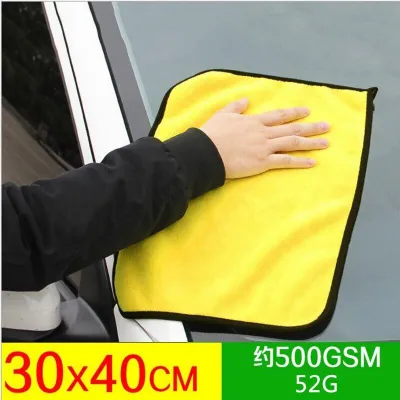
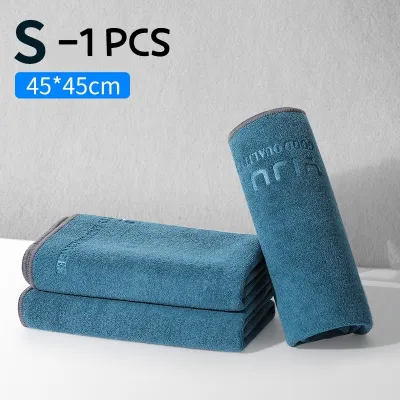
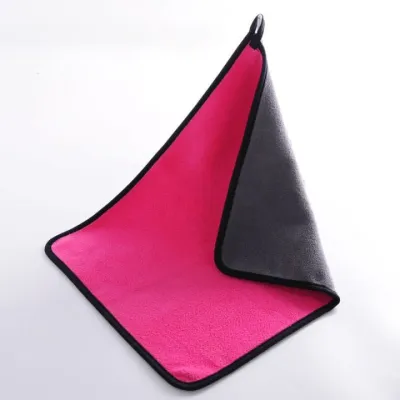

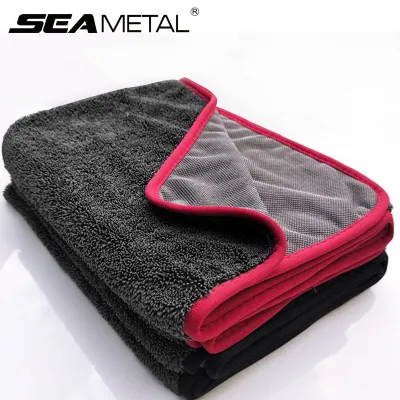
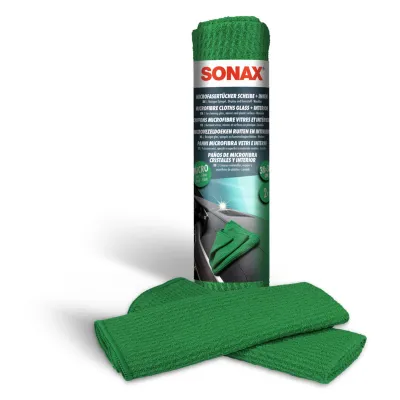
Prices are valid at publication and may change. Please refer to the product page for the latest price.
Low-density cloths, typically ranging from 200 to 300 GSM, are thin and relatively stiff. These are best reserved for utility tasks such as cleaning dirty engine bays, wiping down door jambs, or cleaning interior plastics. Medium-density cloths, between 300 and 450 GSM, offer a balanced blend of absorbency and maneuverability, making them ideal for removing wax, applying quick detailers, or wiping down interior leather. High-density cloths, exceeding 500 GSM, are thick, plush, and highly absorbent. These heavy-duty towels are designed specifically for safe, scratch-free drying and buffing delicate paintwork.
Beyond weight, you must examine the fiber blend ratio, which is usually expressed as a percentage of polyester to polyamide. Polyester provides the structural integrity, durability, and scrubbing power of the cloth, while polyamide provides the water absorption, softness, and static charge that lifts dirt. A standard utility cloth often features an 80/20 blend. For automotive paintwork, however, a 70/30 blend is highly recommended. The higher polyamide content makes the cloth significantly softer and more absorbent, reducing the friction generated as you wipe the paint.
Finally, ensure the cloth features split-fiber construction. During manufacturing, the synthetic fibers are chemically or mechanically split, creating microscopic channels along each strand. These channels act like tiny vacuums, pulling dirt, dust, and moisture deep into the cloth rather than pushing them across the surface. You can easily test for split fibers by running a dry palm over the cloth; if the fabric clings slightly to the ridges of your skin, the fibers are split and ready to trap debris safely.
Matching Weave Types to Your Washing Tasks
Not all microfiber cloths are woven the same way, and using the wrong weave for a specific detailing step can lead to poor results or paint damage. Manufacturers engineer different weave patterns to handle specific tasks, from water absorption to glass cleaning.

Waffle weave cloths feature a distinct, recessed grid pattern that resembles a kitchen waffle. This unique texture reduces the surface area of the cloth that directly contacts the vehicle, allowing it to glide effortlessly across smooth surfaces. The pockets within the grid trap water and cleaning agents, making waffle weave towels the gold standard for cleaning glass and mirrors without leaving streaks or lint behind. They are also excellent for targeted drying around tight crevices, badges, and window trim.
For drying large body panels quickly, twist-loop and coral fleece weaves are highly effective. Twist-loop towels feature long, densely packed loops of fiber that are twisted together and lay flat. This design creates an immense surface area that can absorb multiple times its weight in water, allowing you to dry an entire vehicle without needing to wring the towel out repeatedly. Coral fleece, on the other hand, features a plush, fluffy pile with a velvety texture. It provides a thick cushion of air and fiber between your hand and the paint, which is ideal for final wipe-downs with quick detailers or spray waxes.
When it comes to the contact wash stage, where you physically agitate soapy water on the paint, plush chenille wash mitts are the safest choice. These mitts feature thick, sausage-like strands of microfiber that absorb massive amounts of soapy water. The long, loose strands allow dirt and road grit to be lifted completely away from the clear coat, channeling the debris deep into the recesses of the mitt where it cannot scratch the paint. Always use a dedicated wash mitt for contact washing rather than a flat microfiber towel, which lacks the depth to safely bury larger dirt particles.
Evaluating Edge Designs for Paint Safety
While the face of a microfiber cloth may be incredibly soft, the edges can pose a significant threat to your vehicle’s clear coat. Traditional microfiber cloths are finished with an overlock stitch using polyester thread. Over time, this stitched border can become stiff, dry, and highly abrasive, leading to fine, curved scratches known as buffer trails or swirls along your wiping path.
To eliminate this risk, look for edgeless microfiber cloths. These towels are cut using ultrasonic waves or lasers, which melt the synthetic fibers together at the precise point of the cut. This process creates a clean, borderless edge that is just as soft as the rest of the towel. Edgeless designs are highly recommended for high-gloss black paint, delicate clear coats, and vehicles with soft Japanese paint finishes, where even minor friction can leave visible marks.
If you choose a bordered towel, ensure the edges are wrapped in a soft, protective banding material. High-quality detailing towels often feature silk, satin, or soft suede borders. These materials cover the rough stitched seams and provide a smooth, low-friction edge that glides safely over the paint. Avoid any cloths that use rough, synthetic nylon borders, as these will quickly scratch delicate automotive surfaces.
Additionally, pay close attention to manufacturer tags. Stiff paper or plastic tags sewn into the seams of a cloth are a primary cause of localized scratching. Before using any new cloth, check for tags. If the cloth is not tagless, use a pair of sharp scissors to carefully cut the tag off as close to the seam as possible. Never rip the tag off by hand, as this can tear the stitching and cause the border of the cloth to unravel, exposing rough inner threads.
Building a Task-Specific Microfiber Collection
To maintain a scratch-free finish, you must establish a strict system to prevent cross-contamination. Using a cloth on your wheels and then using the same cloth to dry your hood is a guaranteed way to introduce abrasive brake dust and road grit directly onto your paintwork. A minimal, highly effective detailing kit should separate cloths by task and risk level.
Implementing a color-coding system is the easiest way to manage your collection. For example, you can assign bright yellow towels exclusively for drying clean paint, blue towels for glass cleaning, green towels for interior leather and plastics, and grey or black towels for dirty utility areas. This visual separation ensures that even if you are washing your car in a dimly lit multi-storey carpark, you can instantly identify which cloth is safe for which surface. Keep your high-risk cloths (used for wheels, exhaust tips, and lower rocker panels) completely separate from your low-risk cloths (used for upper paint panels and glass).
When building your inventory, consider the balance between bulk utility packs and premium individual pieces. For dirty, greasy tasks like engine bay cleaning, wiping down door jambs, or cleaning exhaust tips, buying a bulk pack of inexpensive, medium-GSM utility cloths is highly practical. These cloths will inevitably become heavily stained and can be discarded or demoted to household chores without significant financial loss. For drying and paint maintenance, however, invest in a few premium, high-GSM, edgeless towels. Spending S$10 to S$20 on a single, high-quality drying towel is a worthwhile investment that will last for years with proper care.
Maintaining Your Cloths to Preserve Paint Safety
Even the highest-quality microfiber cloth will become abrasive and unsafe for paint if it is not washed and stored correctly. Because microfiber is made of synthetic polyester and polyamide, it requires specific care to maintain its soft, dirt-trapping structure.
When washing your cloths, you must use a dedicated microfiber wash solution or a mild, liquid laundry detergent that is completely free of fabric softeners, bleach, scents, and brighteners. Standard household fabric softeners work by coating fibers in a thin layer of chemical wax to make them feel soft. On microfiber, this coating clogs the microscopic split channels, completely destroying the cloth’s absorbency and static charge. Bleach should also be avoided, as it chemically degrades the delicate polyamide fibers, causing them to become brittle and shed lint.
Always wash your microfiber cloths separately from other household laundry, especially cotton towels and clothing. Microfiber acts like a powerful magnet for lint; if washed with cotton, it will trap thousands of tiny cotton fibers that are nearly impossible to remove. During your next car wash, these trapped cotton fibers will act as tiny abrasives on your paint. Wash your cloths in cold or warm water, keeping the temperature below 60°C. High temperatures can melt the synthetic fibers, fusing the split tips together and turning a plush towel into a stiff, scratchy sheet.
For drying, the safest method is to hang the cloths to air dry in a clean, dust-free indoor environment. If you prefer to use a clothes dryer, select the lowest possible heat setting or a “no heat” air fluff cycle. Once dry, store your clean microfiber cloths in a sealed plastic container or a zip-top bag. Leaving them exposed on a shelf in a garage or utility room allows airborne dust, dirt, and insects to settle on the fibers, rendering them unsafe for your next car wash.
Frequently Asked Questions (FAQ)
Can I use regular household microfiber cloths for washing my car?
No, you should avoid using standard household microfiber cloths on your car’s exterior paint. Household cloths are typically manufactured as low-cost, low-GSM utility towels with an 80/20 polyester-to-polyamide blend and unsplit fibers. They often feature rough, stitched polyester edges and stiff tags that can easily scratch delicate automotive clear coats. Furthermore, their low pile height does not provide enough space to safely lift and trap road grit away from the paint surface, increasing the risk of creating swirl marks.
How do I know when a microfiber cloth is no longer safe for car paint?
You can determine if a microfiber cloth is no longer safe for paint by performing a few simple visual and tactile checks. If the cloth feels stiff, rough, or crunchy to the touch even after a proper wash, the synthetic fibers have likely melted from high heat exposure. Additionally, look for embedded debris, such as tiny twigs, dried leaves, or metal shavings, that will not wash out. If you notice frayed edges, excessive linting, or a complete loss of water absorbency, the cloth should be demoted to dirty utility tasks like cleaning wheels, engine bays, or household chores.

Community discussion
Share your experience or ask a question. Comments are reviewed before publication.