
Navigating modern roads requires seamless access to a variety of physical cards. Whether you are passing through Electronic Road Pricing (ERP) gantries, tapping into multi-story car parks, or presenting membership cards at petrol stations, a dedicated car card holder on your dashboard keeps these essential items within arm’s reach. Fumbling through a center console or sun visor while approaching a barrier gate is not just inconvenient; it is a distinct safety hazard that diverts your attention from the road.
Selecting the ideal card holder involves balancing accessibility, mounting stability, and material resilience. A holder must secure your cards against the physical forces of driving while surviving the intense thermal environment of a parked vehicle. By understanding the key design elements, mounting technologies, and material properties of these accessories, you can choose a solution that protects both your cards and your vehicle’s interior.
Evaluate Slot Design and One-Handed Accessibility
The primary function of a car card holder is to facilitate rapid, one-handed retrieval and insertion. When approaching a parking barrier or toll booth, you cannot afford to struggle with a tight or poorly positioned slot. The entry path of the holder should feature a flared or beveled edge, which acts as a guide to channel the card smoothly into place without requiring precise visual alignment.
Products mentioned in this guide
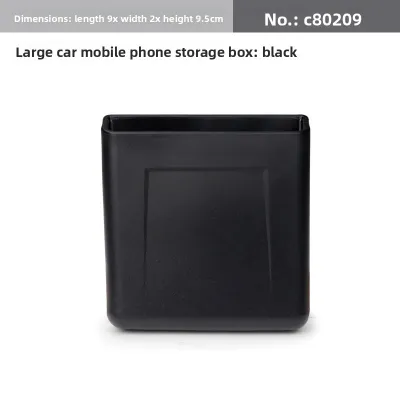
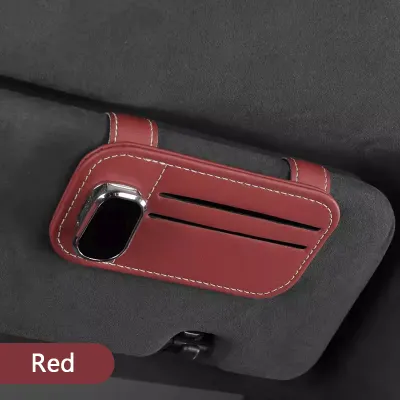
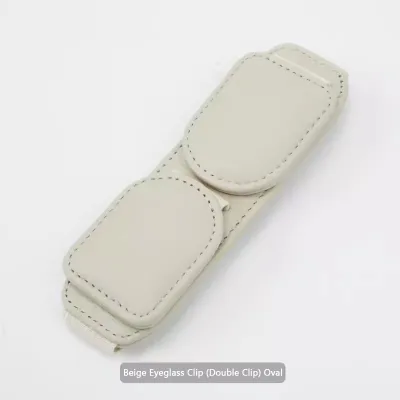
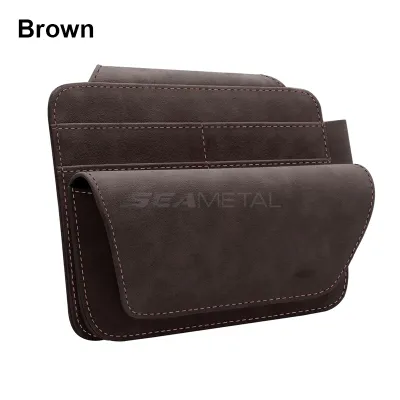
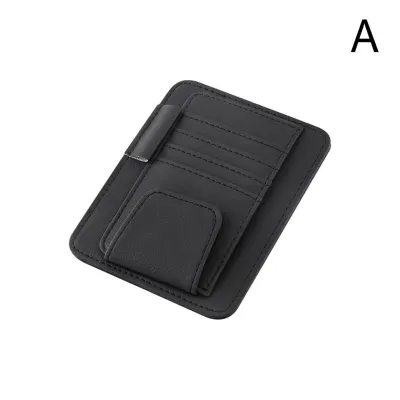
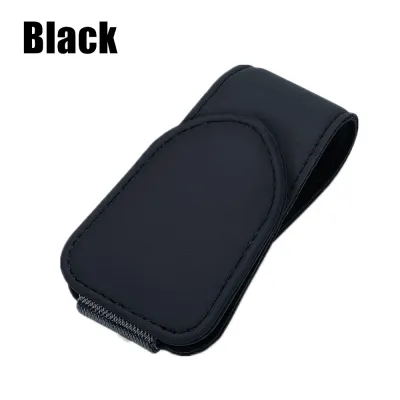
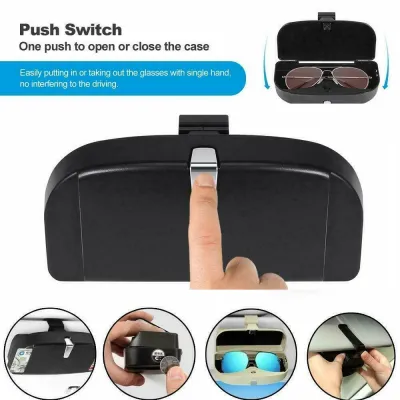
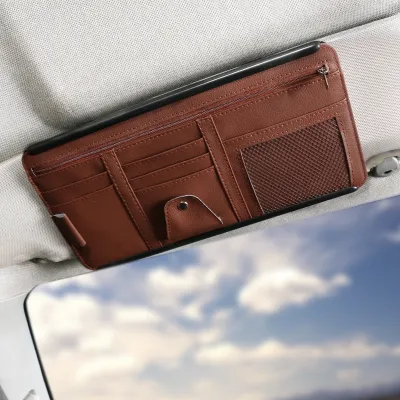
Prices are valid at publication and may change. Please refer to the product page for the latest price.
Slot capacity and card size compatibility are critical considerations. Most standard transit, payment, and access cards follow the ISO/IEC 7810 ID-1 standard, measuring approximately 85.60 by 53.98 millimeters. However, card thicknesses can vary, especially when dealing with embossed credit cards or thicker proximity access cards. A high-quality holder should accommodate these variations without pinching the cards too tightly or allowing thinner cards to rattle and slip.
To prevent cards from sliding out during dynamic driving, look for active retention mechanisms. Passive slots rely solely on gravity or basic friction, which often fail when traversing steep ramps in multi-story car parks or during sudden braking. Superior designs utilize internal silicone friction pads, flexible plastic tension tabs, or spring-loaded clips. These mechanisms apply gentle, consistent pressure to the face of the card, keeping it secure on steep inclines while still allowing for effortless removal.
Ergonomics also dictate how many cards a holder can manage effectively. Single-slot holders are excellent for high-frequency cards, offering the lowest profile and quickest access. Multi-slot organizers, on the other hand, should feature a tiered or stepped layout. This design exposes the top edge of each card, allowing you to identify and grab the specific card you need without pulling out the entire stack.
Compare Dashboard Mounting Methods for Stability
How a card holder attaches to your dashboard determines its long-term stability and its impact on your vehicle’s cabin. The dashboard is a challenging environment for adhesives and mechanical mounts due to its textured surfaces, curved profiles, and exposure to direct sunlight.

Automotive-grade double-sided adhesive pads, such as acrylic foam tapes, offer the most permanent and low-profile mounting solution. These adhesives excel on flat, hard plastic surfaces, providing a bond that resists vibrations and lateral forces. However, they present risks when applied to soft-touch plastics, vinyl, or genuine leather dashboards. The chemical plasticizers in these premium dashboard materials can migrate into the adhesive, weakening the bond over time or leaving permanent stains and indentations upon removal.
Suction cup mounts offer a semi-permanent alternative, typically utilizing a polyurethane gel pad combined with a mechanical vacuum lever. This dual-action design allows the suction cup to fill the micro-textures of a standard dashboard, creating a reliable seal. The primary limitation of suction mounts is their vulnerability to extreme cabin temperatures. Prolonged exposure to intense heat can cause the gel to soften and lose its structural integrity, leading to sudden mount failure.
Non-slip friction mats, made from high-friction silicone or polyurethane, require no adhesive or suction. They simply sit on a flat portion of the dashboard, relying on gravity and surface friction to stay in place. While highly convenient for temporary use and completely residue-free, friction mats are prone to displacement during sudden maneuvers, emergency braking, or sharp cornering. They are best suited for deep dashboard recesses where physical barriers prevent the mat from sliding off entirely.
If your dashboard lacks flat real estate or features delicate materials that cannot tolerate adhesives, consider alternative mounting locations. Air vent clips utilize rubberized prongs to grip the vent louvers, keeping the card holder within easy reach without touching the dashboard surface. However, you must verify that the clip design is compatible with your specific vent shape (horizontal, vertical, or circular) and that the weight of the holder does not damage the delicate vent mechanism.
Assess Material Durability for Hot Cabin Conditions
Singapore’s tropical climate subjects vehicle interiors to extreme environmental stress. When parked in direct sunlight, cabin temperatures can easily surpass 60 degrees Celsius, with the dashboard absorbing the brunt of this thermal energy. Consequently, the materials used in your card holder must be capable of withstanding high heat and ultraviolet (UV) radiation without degrading.
Acrylonitrile butadiene styrene (ABS) and polycarbonate (PC) blends are the industry standards for durable automotive accessories. These engineering plastics offer high impact resistance and structural rigidity at elevated temperatures. When selecting a plastic holder, verify that the manufacturer specifies UV-resistant additives. Untreated plastics will quickly become brittle, fade, or develop a sticky surface texture under constant sun exposure.
Metal alloys, such as anodized aluminum or zinc, offer premium aesthetics and exceptional durability. They will not warp or degrade under UV light. However, metals possess high thermal conductivity. A metal card holder exposed to direct sunlight can become hot enough to cause discomfort when touched, and it can transfer that heat directly to your plastic cards, potentially warping or deforming them. If you choose a metal holder, opt for a design that incorporates insulating silicone liners where the cards make contact.
Synthetic leather (PU) and genuine leather wraps add a touch of luxury to the cabin but require careful consideration. Polyurethane wraps can suffer from hydrolysis in high-humidity environments, leading to peeling, cracking, and adhesive failure between the wrap and the underlying structure. Genuine leather is more resilient but can fade and dry out if not treated periodically with a UV-protective conditioner.
Safety must remain your primary concern when choosing and placing any dashboard accessory. In the event of a collision, unsecured objects can become dangerous high-velocity projectiles. Ensure that the card holder is constructed from shatter-resistant materials that will not splinter into sharp fragments. Most importantly, never mount a card holder within or adjacent to passenger airbag deployment zones, as the force of an inflating airbag will launch the accessory directly into the cabin.
Build Your Shortlist: Match Holder Types to Driving Habits
To find the right card holder, align the accessory’s features with your daily driving patterns and vehicle ownership status. Different commuting habits demand different organizational priorities.
For high-frequency commuters who pass through multiple ERP gantries or security checkpoints daily, speed and line-of-sight are paramount. A single-slot, high-mount holder positioned near the right-side A-pillar or just above the center console is ideal. This placement allows you to slide the card out and insert it back into the holder in a single, fluid motion without taking your eyes off the road ahead.
Multi-card users, such as families sharing a vehicle or commercial drivers managing multiple fleet cards, require a structured organization system. Look for a tiered, multi-slot dashboard organizer that can hold three to five cards. Ensure the slots are spaced far enough apart that you can easily read the face of each card or identify them by color, preventing you from pulling out the wrong card at a busy barrier gate.
If you drive a leased vehicle, a company car, or frequently use car-sharing services, permanent modifications are out of the question. Your shortlist should focus exclusively on non-destructive, highly portable mounting solutions. A compact air vent clip or a high-friction silicone mat can be installed and removed in seconds, leaving absolutely no residue or physical marks behind.
Ensure Safe Installation and Dashboard Protection
Achieving a secure mount and protecting your vehicle’s interior requires proper installation technique. Before applying any adhesive or suction mount, thorough surface preparation is essential. Dust, dashboard dressings, and natural skin oils will severely compromise the bond of any adhesive or suction gel.
Begin by cleaning the mounting area with a mild soapy water solution to remove surface dirt. If your dashboard is made of hard, non-porous plastic, you can use a lint-free microfiber cloth lightly dampened with isopropyl alcohol to strip away stubborn oils and silicone-based protectants. Avoid using alcohol on genuine leather, vinyl, or painted soft-touch surfaces, as it can strip the protective topcoat and cause permanent discoloration. Allow the surface to dry completely before proceeding.
When positioning the holder, sit in your normal driving posture to verify your line of sight. The holder should be easily reachable without requiring you to lean forward or stretch your arm fully. Ensure it does not block your view of the road, obscure your side mirrors, or interfere with the operation of the steering wheel, wiper stalks, or center display screen.
If you are using an adhesive mount, apply firm, even pressure to the base for at least thirty seconds to activate the pressure-sensitive bond. Most automotive-grade adhesives require a curing period to reach maximum strength. Avoid placing any cards in the holder or subjecting the mount to load for at least twenty-four hours after installation.
When the time comes to remove an adhesive-mounted holder, do not attempt to pry it off directly, as this can tear vinyl or lift soft-touch coatings. Instead, use a length of dental floss or high-strength fishing line. Work the line behind the adhesive pad in a sawing motion to slice through the foam core. Once the holder is detached, you can roll away the remaining adhesive residue with your thumb or use a dedicated, automotive-safe adhesive remover, testing it first on an inconspicuous area of the dashboard.
Frequently Asked Questions (FAQ)
Can a dashboard card holder damage my car's interior?
Yes, improper mounting or removal can damage delicate dashboard surfaces. Strong chemical adhesives can react with soft-touch plastic coatings, vinyl, or leather, leading to permanent discoloration, bubbling, or tearing when removed. Suction cups with sticky gel pads can also leave circular oil rings or indentations on soft dashboard materials over time. To minimize risk, mount adhesive or suction accessories on hard, non-porous plastic trim pieces rather than padded dashboard sections, and always consult your vehicle manual for specific interior material care guidelines.
Will my cards fall out during sudden braking or on steep ramps?
Cards can fall out of holders that rely solely on loose, passive slots when subjected to sudden deceleration or steep inclines. To prevent this, choose a card holder equipped with active retention features, such as internal silicone grip pads, spring-loaded tension clips, or an angled slot design that uses gravity to keep the card seated. Avoid simple open-top friction pockets if you frequently navigate steep multi-story car park ramps or stop-and-go traffic, as these designs do not provide sufficient physical restraint against sudden vehicle movements.

Community discussion
Share your experience or ask a question. Comments are reviewed before publication.