
Quick Answer: Which Mount Type Fits Your Car Best?
Selecting the right mechanism to secure your smartphone on the dashboard depends on your vehicle’s physical layout, material finishes, and daily driving habits. There is no single universal option that excels in every cabin. Instead, finding the ideal match requires evaluating your dashboard configuration against three distinct mounting styles.
Choose a Vent Mount if:
- Your vehicle features standard, rigid horizontal air conditioning slats.
- You require a quick, tool-free installation that leaves zero permanent marks.
- You want your phone positioned close to the center console for effortless physical reach.
Choose a Clip-On Mount if:
Products mentioned in this guide
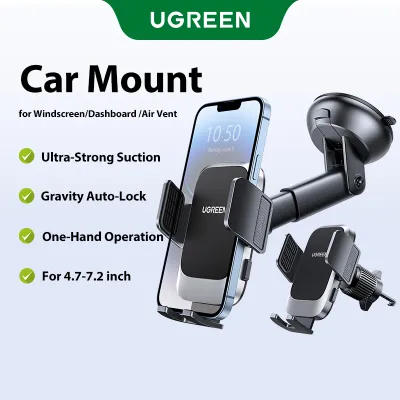
Prices are valid at publication and may change. Please refer to the product page for the latest price.
- Your dashboard instrument cluster or center console has a pronounced, sturdy edge or lip.
- You want to avoid adhesive residue while keeping your phone away from active air conditioning airflow.
- Your dashboard surface is textured, preventing adhesives or suction cups from forming a reliable seal.
Choose an Adhesive Mount if:
- Your dashboard features a flat, untextured plastic or glass surface.
- You require customized placement to optimize your specific line of sight and minimize driving blind spots.
- You are comfortable with a semi-permanent installation that remains dedicated to a single spot.
Ultimately, the correct choice depends on your vehicle’s structural constraints and your personal ergonomic preferences. By matching your dashboard’s physical architecture to the strengths of each mount type, you can ensure a secure, visible, and safe setup.
Defining the Contenders: Vent, Clip-On, and Adhesive Mounts
When upgrading your daily drive with practical car accessories, choosing how to secure your phone is a critical decision. Each of the three primary mounting styles relies on a different mechanical principle to counteract vehicle movement and gravity.

Vent mounts attach directly to the louvers of your car’s air conditioning vents. They typically utilize spring-loaded clamps, padded dual-prong grips, or mechanical metal hooks that loop behind an individual slat. By tightening a collar or lever, the mount compresses against the slat to stay in place. This design keeps the phone within easy reach, though it relies entirely on the structural integrity of the vent assembly.
Clip-on mounts function like heavy-duty clamps. They use strong tension springs or manual screw-tightened jaws to bite onto protruding edges within the cabin. Common mounting points include the overhanging hood of the instrument cluster, the upper lip of the center console, or even the sun visor. These mounts provide a high-level physical grip without relying on sticky materials, making them easy to reposition if needed.
Adhesive mounts rely on chemical bonding or atmospheric pressure to stay secure. They generally feature a base lined with high-strength, double-sided acrylic foam tape (such as 3M VHB) or a polyurethane gel suction cup backed by a mechanical locking lever. These are designed to be applied directly to flat, smooth sections of the dashboard or the windshield glass. They offer the greatest flexibility in placement, allowing you to position your phone exactly where you need it.
Core Comparison: Stability, Safety, and Interior Impact
Stability and Vibration on Uneven Roads
Vehicle vibration can make a phone screen difficult to read and can loosen a mount over time. Vent mounts are particularly susceptible to this issue. Because they attach to thin, movable plastic slats, the weight of a modern smartphone acts as a lever. This physical leverage amplifies road vibrations, causing the phone to bounce when driving over speed humps or rough surfaces. Extended support arms on some vent mounts can worsen this effect if they lack a secondary stabilization foot to rest against the dashboard face.
Clip-on mounts provide a highly rigid connection, provided the mounting edge is solid. When clamped to a thick, hard plastic instrument cluster hood, the mount moves in unison with the car’s chassis, resulting in minimal screen vibration. However, if the dashboard lip is thin or made of highly flexible material, the clamp may flex under the weight of the phone, leading to visible shaking on uneven roads.
Adhesive mounts generally offer the highest level of stability. By bonding directly to a broad, flat surface, they maintain a low center of gravity and distribute weight evenly across the base. A properly cured adhesive bond or a locked suction cup on a clean surface experiences almost no independent movement, keeping your phone steady even on rough terrain.
Sightlines, Reach, and Driving Safety
Maintaining clear sightlines is essential for safe driving. Clip-on mounts placed on the instrument cluster hood position the phone directly in your natural forward line of sight. While this keeps navigation prompts in your peripheral vision, it can block your view of the road or obscure critical dashboard gauges if the mount is too tall. It is vital to position these mounts carefully to avoid creating dangerous blind spots.
Vent mounts sit lower down, keeping your windshield completely unobstructed. This lower placement is excellent for forward visibility but forces you to look down and away from the road to check navigation. Additionally, a low-mounted phone can block your access to climate control dials, hazard buttons, or the vehicle’s built-in infotainment screen.
Adhesive and suction mounts offer a balanced compromise because they can be placed almost anywhere. You can mount them on the windshield or the upper dashboard to keep the phone at eye level, or place them lower down on the center console. When planning your layout, always map your sightlines to ensure the phone does not block your view of the road, side mirrors, or instrument cluster.
Installation and Risk of Interior Damage
Every mounting style carries some risk of cosmetic or structural damage to your car’s cabin. Vent mounts pose a risk to fragile plastic louvers. The constant weight of a heavy phone, combined with road vibrations, can crack or snap the delicate slats. This risk increases in older vehicles where exposure to UV light and temperature swings has made the interior plastics brittle.
Clip-on mounts can damage soft-touch dashboard materials. The high clamping force required to keep these mounts secure can leave permanent indentations, creases, or tears in padded vinyl, leather, or synthetic materials. If the clamp jaws lack soft, high-quality rubber padding, they can also scratch hard plastic trims during installation or removal.
Adhesive mounts present a different set of challenges. High-strength acrylic tapes form an incredibly strong bond that can be difficult to remove. Attempting to pry off a degraded adhesive pad can peel away delicate soft-touch paint coatings, tear leather grain, or leave behind a stubborn, sticky residue. When removing these mounts, always follow the manufacturer’s guidelines, which typically involve using mild heat from a hair dryer and dental floss to gently saw through the foam backing.
Heat and Air Conditioning Factors in Tropical Climates
In tropical environments like Singapore, cabin heat and air conditioning usage play a significant role in how well a mount performs. When parked outdoors under direct sunlight, interior dashboard temperatures can easily exceed 60°C. This extreme heat can soften and degrade the chemical bonds of double-sided adhesive tapes, causing the mount to slip, tilt, or fall off completely. To prevent this, look for adhesive mounts with certified high-temperature resistance.
Vent mounts interact directly with your car’s climate control system. On one hand, placing your phone in front of an active air conditioning vent helps keep it cool during intensive tasks like GPS navigation and wireless charging. On the other hand, the mount blocks cold air from reaching the cabin occupants. Furthermore, if the air conditioning is set to maximum cold, the sudden temperature drop can cause moisture to condense inside or on the surface of the warm phone when you step out of the car.
Clip-on mounts generally avoid these temperature-related issues. Because they do not rely on chemical adhesives and sit away from the air vents, their performance remains consistent regardless of cabin temperature or climate control settings. However, you should still avoid placing them where the phone will be exposed to magnified, direct sunlight through the windshield for extended periods.
At-a-Glance Comparison Matrix
Use the table below to quickly compare the three primary mounting options against your vehicle’s layout and your driving needs.
| Mount Type | Best Dashboard Layout | Primary Advantage | Main Drawback | Ideal User Profile |
|---|---|---|---|---|
| Vent | Horizontal, rigid, standard AC slats | Easy, tool-free installation; highly portable | Can block airflow; risk of cracking plastic slats | Drivers using rental cars, car-sharing services, or company fleets |
| Clip-On | Pronounced, sturdy dashboard or cluster hood edges | Secure mechanical grip; no adhesive residue | Can indent soft-touch materials; limited placement options | Drivers wanting a secure, high-level mount without adhesives |
| Adhesive | Flat, smooth, untextured surfaces | Maximum stability; highly customizable placement | Hard to reposition; risk of leaving residue or damaging surfaces | Daily commuters and ride-hailing drivers wanting a permanent setup |
Pre-Purchase Checklist: Inspecting Your Dashboard and Vents
Before purchasing a new mount, take a few minutes to physically inspect your vehicle’s dashboard to ensure compatibility.
1. Evaluate Your Air Vents
Examine the shape and movement of your air conditioning vents. Standard horizontal slats are highly compatible with most vent mounts. If your vehicle features circular, turbine-style, or deeply recessed vertical vents, standard prong-style mounts will not hold securely. Gently press on the slats to test their sturdiness; if they flex easily or feel loose, they may not support the weight of a modern smartphone.
2. Measure Dashboard Edges
If you are considering a clip-on mount, locate a suitable edge, such as the hood above your instrument cluster. Measure the thickness of the lip and check its depth to ensure the clamp’s jaws can grip it fully. Feel the material: hard, unyielding plastic is ideal, whereas soft leather or heavily padded vinyl is prone to permanent indentations from constant clamping pressure.
3. Identify Flat, Safe Zones
For adhesive or suction mounts, search for a flat, smooth, untextured surface that is at least 2 to 3 inches wide. Avoid textured plastics, curved panels, and leather surfaces, as they prevent a proper airtight seal or chemical bond.
Most importantly, identify and avoid safety hazard zones. Never place a mount on or near airbag deployment covers (typically marked with “SRS Airbag” on the passenger dashboard or A-pillars). Ensure the phone will not block your forward road view, side mirrors, or defroster vents.
4. Prepare the Surface
If you choose an adhesive or suction mount, proper surface preparation is critical for a lasting bond. Clean the target area thoroughly using a lint-free microfiber cloth and isopropyl alcohol to remove dust, dashboard polishes, and oils. Allow the surface to dry completely before applying the mount. For adhesive tape, apply firm pressure for at least 30 seconds and let it cure—ideally for 24 hours—before mounting your phone.
Final Recommendation: Aligning the Mount With Your Driving Profile
To choose the right mount, match its strengths to your vehicle’s layout and how you use your car every day. There is no single option that fits every driver, but aligning your choice with your driving profile ensures a safe and practical setup.
Vent mounts are the best choice for drivers who value portability and convenience. If you frequently use car-sharing services, drive rental cars, or switch between different fleet vehicles, a vent mount can be installed and removed in seconds without leaving any permanent marks.
Clip-on mounts are ideal for drivers who want a highly secure, mechanical attachment without using adhesives. If your dashboard has a suitable hard plastic lip, a clip-on mount keeps your phone stable and at eye level while keeping your air vents completely unobstructed.
Adhesive or suction mounts are best for daily commuters, road-trippers, and ride-hailing drivers who spend long hours on the road. These mounts provide the absolute stability and customizable placement needed for constant navigation use, making them worth the extra effort required for installation and removal.
Regardless of the style you choose, prioritize a high-quality mount that allows for easy, one-handed operation. Keeping your phone secure and your eyes on the road is the most important step to a safe drive.
Frequently Asked Questions (FAQ)
Will an adhesive mount damage my leather or soft-touch dashboard?
Yes, high-strength chemical adhesives can damage delicate interior surfaces. When removed, strong adhesives can peel away soft-touch paint coatings, leave permanent stains, or tear the natural grain of leather. If you must mount your phone on a sensitive dashboard surface, use a temporary suction cup base with a specialized, removable adhesive disk. Always test a small, hidden area of the dashboard first, or consult your vehicle’s care manual before applying any chemical adhesive.
Can I use a standard vent mount if my car has circular or angled air vents?
Standard prong-style vent mounts generally do not work on circular, turbine-style, or highly angled vents. These designs lack the straight, horizontal slats needed to keep a standard clamp level and secure, causing the mount to rotate, slip, or fall off. If your vehicle has circular vents, look for specialized hook-style vent mounts designed specifically for round vents, or choose a clip-on or adhesive mount instead.
Are magnetic phone mounts safe for modern smartphones and car electronics?
Yes, the compact neodymium magnets used in modern car mounts are safe for smartphones and vehicle electronics. Modern phones use solid-state flash memory rather than magnetic storage, meaning they are unaffected by these magnetic fields. While the magnets will not damage your phone’s GPS or internal compass, they can temporarily interfere with digital compass calibration if the phone is actively mounted. Be sure to keep magnetic stripe cards, key fobs, and mechanical hard drives away from the mount to prevent accidental damage.
Community discussion
Share your experience or ask a question. Comments are reviewed before publication.