
Selecting the correct motor oil is one of the most critical decisions you can make for your vehicle’s longevity and performance. When looking at a bottle of NY03 motor oil, the prominent numbers on the label represent its viscosity rating, a technical specification that directly influences how the oil behaves inside your engine. Understanding this rating is essential to ensure your engine receives proper lubrication under all operating conditions.
Viscosity refers to a fluid’s resistance to flow. In the context of motor oil, it determines how easily the oil circulates through the engine at startup and how well it maintains a protective barrier when the engine reaches its normal, high-temperature operating state. Using an oil with the wrong viscosity rating can lead to accelerated component wear, reduced fuel efficiency, or even severe mechanical failure.
Decoding the Viscosity Rating on NY03 Motor Oil
The viscosity rating on NY03 motor oil follows the standardized grading system established by the Society of Automotive Engineers (SAE). This rating typically appears in a format such as 5W-30 or 0W-20. Each part of this alphanumeric code provides specific information about how the oil performs under different temperature extremes.
Products mentioned in this guide
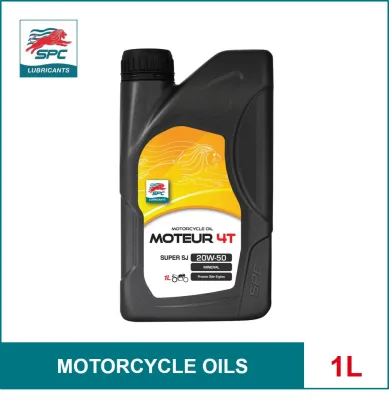
Prices are valid at publication and may change. Please refer to the product page for the latest price.
The first number, followed by the letter “W,” indicates the oil’s low-temperature flow characteristics. The “W” stands for winter. A lower number before the “W” means the oil remains more fluid at extremely low temperatures, allowing the oil pump to circulate it quickly during a cold start. For example, a 0W oil flows more easily in freezing conditions than a 5W or 10W oil, reducing initial friction when you turn the key.
The second number, located after the hyphen, represents the oil’s viscosity at normal engine operating temperatures, typically measured at 100 degrees Celsius. A higher second number indicates a thicker, more viscous oil at high temperatures. This thickness is crucial for maintaining a robust lubricating film between moving parts when the engine is running hot and under heavy load.
It is important to check the exact numbers printed on your specific NY03 bottle, as formulations and available grades can vary by product line or region. Furthermore, remember that viscosity is strictly a measure of flow resistance at specific temperatures. It is not an indicator of overall oil quality, base oil type (such as full synthetic, semi-synthetic, or conventional), or the specific additive package blended into the oil.
What the Viscosity Grade Means for Engine Protection
Translating these technical numbers into practical engine protection reveals why choosing the correct grade is so vital. The primary job of motor oil is to prevent metal-on-metal contact, and the viscosity grade determines how effectively it can do this during different phases of operation.

Cold-start protection is arguably the most critical phase. The vast majority of engine wear occurs during the first few seconds after starting, before the oil has had time to fully circulate. A properly rated low-temperature oil ensures that the lubricant reaches critical components, such as the valvetrain and bearings, almost instantaneously. If the oil is too thick when cold, it will move slowly, leaving components temporarily unprotected and vulnerable to dry-start wear.
Once the engine reaches its operating temperature, high-temperature stability becomes the priority. The oil must resist thinning out too much under intense heat, friction, and mechanical load. The second number in the viscosity rating ensures that the oil maintains a reliable protective film. This film acts as a cushion between rapidly moving parts, preventing direct contact and dispersing heat away from critical areas.
Using an incorrect viscosity grade carries significant mechanical risks. If you use an oil that is too thick for your engine’s design, the oil pump must work harder, leading to increased internal drag, higher operating temperatures, and reduced fuel economy. Conversely, if the oil is too thin, the protective film may shear or break down under load, resulting in metal-on-metal contact, accelerated component wear, and increased oil consumption as the oil slips past piston rings and burns in the combustion chamber.
Verifying NY03 Compatibility With Your Vehicle
Before purchasing or pouring NY03 motor oil into your engine, you must verify that its specifications align perfectly with your vehicle manufacturer’s requirements. Never assume compatibility based solely on a product category or brand name.
The first step is to consult your vehicle owner’s manual. Locate the section dedicated to engine oil and identify the recommended SAE viscosity grade. Additionally, look for the required performance standards, which are typically designated by industry bodies such as the American Petroleum Institute (API), the European Automobile Manufacturers’ Association (ACEA), or the Japanese Automotive Standards Organization (JASO). Many modern vehicles also require specific proprietary manufacturer certifications.
Matching the viscosity grade alone is insufficient. The oil must also carry the exact performance certifications mandated by your automaker to ensure the additive package is compatible with your engine’s seals, emissions systems, and internal components. Always cross-reference the certifications listed on the NY03 label with those specified in your manual.
If the recommended grade in your manual differs from the NY03 label, or if you operate your vehicle under unique conditions, seek professional guidance. For instance, high-mileage vehicles, those operating in extreme tropical climates, or vehicles subjected to heavy towing or aftermarket modifications may require a different maintenance approach. In these cases, consult a qualified mechanic or the vehicle manufacturer before making a change. Always follow the original vehicle instructions and safety boundaries to protect your warranty and ensure safe operation.
Frequently Asked Questions (FAQ)
Can I mix NY03 motor oil with a different viscosity grade?
Mixing different viscosity grades of motor oil is generally not recommended unless it is an absolute emergency. Combining two different grades results in an unpredictable final viscosity that may not meet your engine’s operating requirements. Additionally, different formulations may contain incompatible additive packages, which can reduce the oil’s overall effectiveness. For optimal engine protection, it is always best to perform a complete drain and fill with the correct, single grade of oil rather than topping up with a mismatched viscosity.
Does a higher viscosity number mean better engine protection?
No, a higher viscosity number does not universally mean better engine protection. Modern engines are engineered with extremely tight clearances between moving parts and rely on precise oil flow rates to cool and lubricate components. Using a thicker oil than specified can restrict flow, leading to localized oil starvation, higher internal operating temperatures, and decreased fuel efficiency. Always use the exact viscosity grade recommended by your vehicle’s manufacturer to ensure proper lubrication and performance.

Community discussion
Share your experience or ask a question. Comments are reviewed before publication.