
Automotive leather requires specialized care to maintain its texture, color, and structural integrity over years of exposure to heat, sunlight, and friction. When selecting a leather cleaner, the term “pH-neutral” frequently appears as a benchmark for safety and compatibility. For car owners evaluating premium detailing brands like Gyeon, understanding what pH neutrality actually means—and how to verify these claims against official product documentation—is essential to prevent irreversible damage to the cabin interior. Rather than relying solely on marketing labels, a systematic approach involving safety data sheets, material identification, and spot testing ensures that your chosen cleaner aligns with the specific requirements of your vehicle’s upholstery.
Why pH Balance Matters for Automotive Leather Care
Modern automotive leather is vastly different from raw, vegetable-tanned hides. Almost all modern vehicles utilize pigmented or coated leather, which features a protective polyurethane clear coat applied over the dyed hide. This topcoat acts as a barrier against spills, UV rays, and physical wear. However, this protective layer is highly sensitive to chemical exposure. Highly alkaline or acidic cleaners can chemically degrade this clear coat over time, stripping away its protective properties and leaving the underlying leather vulnerable to premature wear.
Improper pH levels cause cumulative, irreversible damage. Alkaline solutions can break down leather proteins and weaken stitching threads. Acidic solutions dry out the hide’s moisture balance, causing it to stiffen and crack under daily stress. Common signs of pH-related damage include premature cracking along seat bolsters, color transfer from clothing, or a sticky texture indicating the protective topcoat has begun to dissolve.
Products mentioned in this guide
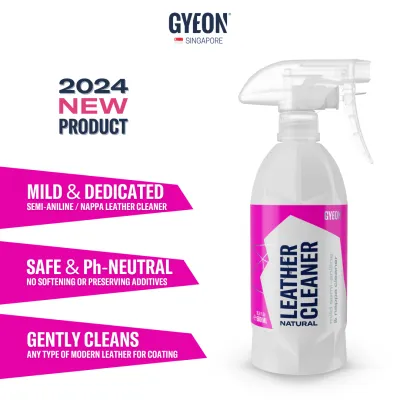
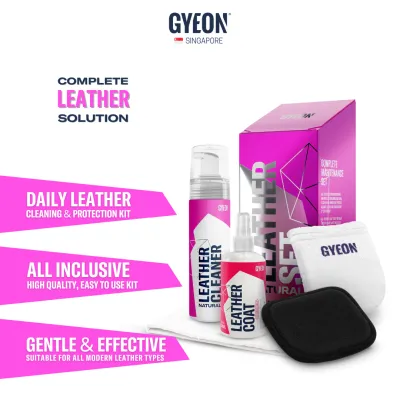
Prices are valid at publication and may change. Please refer to the product page for the latest price.
Different leather types require distinct care strategies. Standard pigmented leather tolerates mild cleaners, but delicate materials like semi-aniline or uncoated aniline are highly porous and susceptible to chemical staining. Using aggressive cleaners on these surfaces causes immediate discoloration. Identifying your cabin materials is essential before establishing a maintenance routine.
What "pH-Neutral" Actually Means in Car Detailing
In chemistry, a pH of 7.0 is perfectly neutral, representing pure water. In car detailing, “pH-neutral” describes products falling within a safe, mild range—typically between 6.0 and 8.0. These formulations clean effectively without introducing harsh acidic or alkaline reactions that strip away protective coatings, sealants, or natural oils.

Buffer capacity is a critical concept. A buffered solution resists pH changes when encountering acidic or alkaline contaminants on the surface. For example, body oils are acidic, while road grime can be alkaline. A high-quality pH-neutral cleaner contains buffering agents that maintain a stable, safe pH during cleaning, preventing the solution from becoming aggressive as it emulsifies dirt.
Car owners must distinguish between verified chemical neutrality and marketing terminology. A label claiming a product is “pH-balanced” may still contain aggressive surfactants or solvents. True chemical neutrality should be verified through technical specifications rather than promotional copy, ensuring the cleaner aligns with the delicate polyurethane coatings used by automotive manufacturers.
How to Evaluate Gyeon Leather Cleaners for pH Safety
Gyeon offers dedicated leather care products like Gyeon LeatherCleaner Mild and Gyeon LeatherCleaner Strong. To evaluate whether these products are safe for your vehicle, locate and read the Safety Data Sheet (SDS) or the official technical specification sheet provided by the manufacturer. These documents list the chemical composition, hazard classifications, and the precise pH range of the liquid formulation.
When reviewing an SDS, look specifically for Section 9, which details physical and chemical properties. Here, you will find the documented pH value of the product in its undiluted state. A mild cleaner designed for regular maintenance should show a pH value close to 7.0. If you are looking at a stronger, deep-cleaning variant designed to remove heavy grease, the SDS may reveal a slightly alkaline pH (often between 8.0 and 9.5). This alkalinity helps break down tough oils, but it requires careful application, thorough rinsing, and subsequent conditioning to restore the leather’s natural balance.
Always cross-reference the cleaner’s specifications with your vehicle manufacturer’s official care guidelines. Many luxury car brands explicitly state the allowable pH range for cleaning products to preserve the factory warranty. If the vehicle manual mandates a strictly neutral cleaner, using a product with a documented pH outside that narrow window could void your warranty or lead to premature wear. Finally, examine the ingredient list for active cleaning agents like strong surfactants or alcohol-based solvents, which can increase chemical activity regardless of “pH-neutral” marketing claims.
Safe Application and Maintenance Steps for Leather
To prevent irreversible damage, follow a disciplined, risk-averse workflow when applying any leather cleaner. Before treating visible portions of your seats, perform a hidden spot test on an inconspicuous area, such as the underside of a headrest. Apply a small drop of the cleaner to a clean microfiber towel and gently press it against the test area. Observe the spot closely for color bleeding, coating softening, or sticky residue. If any color transfers or the texture changes, stop immediately.
Once the spot test confirms compatibility, proceed with proper tools and techniques. Avoid spraying liquid cleaner directly onto the leather surface, as this can lead to uneven absorption or oversaturation near perforated sections or stitching. Instead, apply the cleaner onto a soft-bristle detailing brush or a clean microfiber towel to create a gentle foam. Work the foam into the leather using light, circular motions, letting the mechanical action of the soft bristles lift the dirt rather than relying on chemical force.
Adhere strictly to the manufacturer’s instructions regarding dilution ratios and dwell times. Allowing a cleaner to sit on the leather for too long can cause chemical agents to penetrate too deeply, potentially weakening adhesive bonds or drying out the hide. Establish clear stopping conditions: if the leather feels sticky, exhibits any color shift, or loses its natural matte finish, immediately wipe the area with a damp, clean microfiber towel to rinse away the product, then dry the surface thoroughly.
Frequently Asked Questions (FAQ)
Can I use a pH-neutral cleaner on all types of car leather?
While a pH-neutral cleaner is generally the safest option for most automotive interiors, it is not universally suitable for every type of leather finish. Standard pigmented leather and synthetic leatherettes tolerate mild aqueous cleaners very well. However, delicate materials like semi-aniline, full-aniline, or suede and Alcantara require highly specialized care. Uncoated aniline leather is extremely porous and can absorb water-based cleaners rapidly, leading to permanent water spotting or staining. For these delicate surfaces, standard aqueous cleaners should be avoided in favor of dry-cleaning methods or specialized conditioners recommended by the vehicle manufacturer. Always consult your vehicle owner’s manual to identify the exact material of your upholstery before applying any product.
How can I test the pH of my leather cleaner at home?
You can perform a basic evaluation of your leather cleaner’s pH at home using universal pH test strips or a calibrated digital pH meter. To do this, pour a small sample of the liquid cleaner into a clean glass container. If using a test strip, dip it into the liquid for the duration specified on the packaging, then compare the resulting color change against the provided reference chart to estimate the pH level. For a digital meter, ensure the probe is clean and calibrated before immersing it in the solution. Keep in mind that home testing has limitations; factors such as the dilution ratio of concentrated products, the mineral content of your local tap water, and the presence of non-aqueous solvents in the formula can skew the reading. For the most accurate and reliable chemical data, always refer to the manufacturer’s official Safety Data Sheet (SDS).

Community discussion
Share your experience or ask a question. Comments are reviewed before publication.