
To protect your car’s leather seats from premature wear, cracking, and discoloration, you should use a leather seat cleaner with a pH-neutral or slightly acidic rating, typically falling between 5.5 and 7.0. This specific range closely mirrors the natural pH of leather itself, which is slightly acidic due to the tanning process. Using a cleaner that deviates significantly from this range can degrade the protective coatings applied to modern automotive interiors, leading to irreversible damage.
In Singapore’s hot and humid climate, car interiors are regularly subjected to intense heat and UV exposure, which can accelerate the breakdown of leather finishes. When you introduce a harsh chemical cleaner to an already stressed surface, the risk of stripping away essential oils and protective topcoats increases dramatically. Selecting a properly formulated, pH-balanced product is one of the most effective ways to maintain the supple texture and appearance of your vehicle’s cabin over the long term.
Why pH Balance Matters for Automotive Leather
The pH scale, ranging from 0 to 14, measures how acidic or alkaline a water-based solution is, with 7.0 being completely neutral. Anything below 7.0 is acidic, while anything above is alkaline. In automotive detailing, understanding this scale is crucial because different surfaces react uniquely to chemical exposure. While strong alkaline cleaners are excellent for cutting through heavy grease on engine bays, they are far too aggressive for delicate interior materials like leather.
Products mentioned in this guide
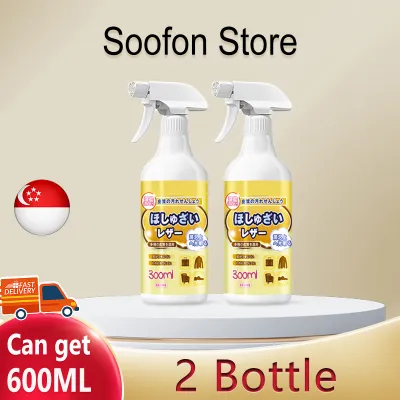
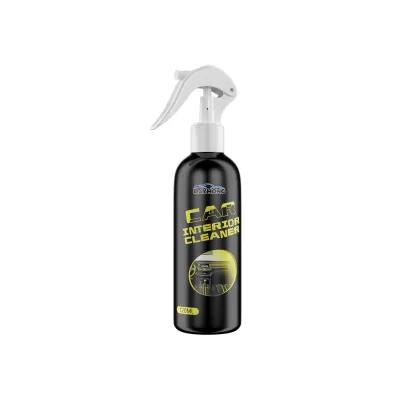
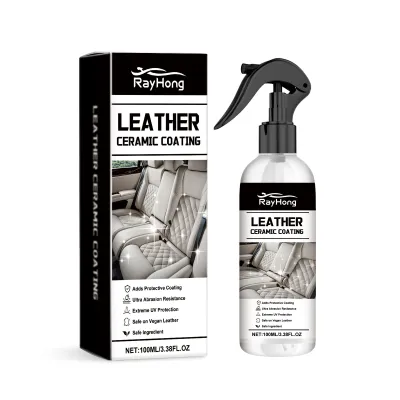
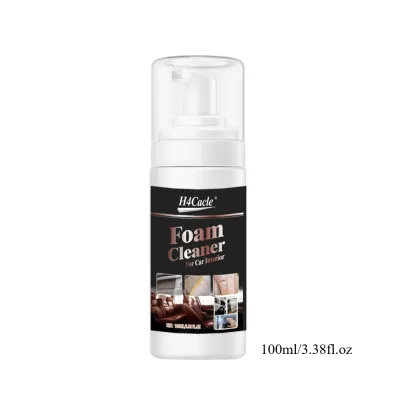
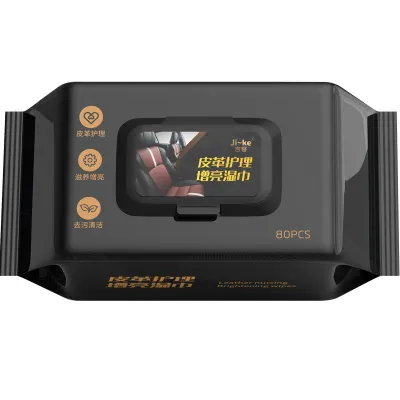

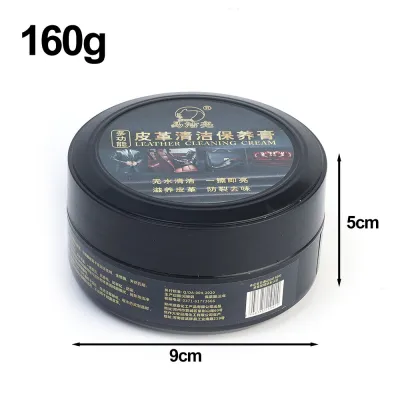
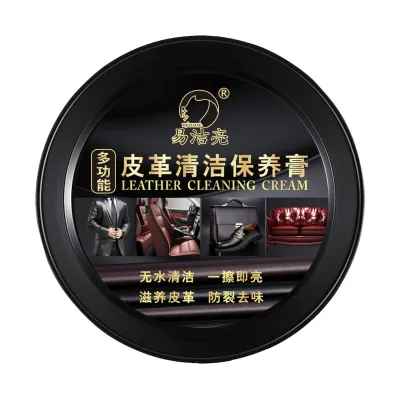
Prices are valid at publication and may change. Please refer to the product page for the latest price.
Most modern car seats do not feature raw, exposed animal hide. Instead, manufacturers typically install pigmented leather that is sealed with a thin, protective polyurethane topcoat. This clear barrier is designed to shield the underlying dyed leather from friction, spills, body oils, and UV rays. However, this protective layer is not indestructible and remains highly sensitive to chemical pH levels.
Using a highly alkaline cleaner—such as many multi-purpose household sprays—can chemically attack the polyurethane topcoat. Over time, alkaline substances strip away the plasticizers that keep the protective layer flexible. As the topcoat loses its elasticity, it becomes brittle, leading to micro-cracking, peeling, and a dull, faded appearance.
Conversely, highly acidic cleaners can be equally damaging. Strong acids can weaken the structural fibers of the leather beneath the topcoat if they penetrate through microscopic cracks or seams. This chemical degradation often manifests as premature wear along the seat bolsters, where friction is highest during entry and exit. By choosing a cleaner that sits comfortably in the neutral-to-mildly-acidic zone, you ensure that the cleaning agents lift dirt without disrupting the delicate chemical balance of the protective topcoat.
How to Identify the Right pH on Product Labels
When shopping for a leather seat cleaner, you must look closely at the product packaging and manufacturer specifications to verify its chemical properties. Reputable automotive detailing brands will explicitly state “pH neutral” or “pH balanced” on their labels. These terms indicate that the formulation has been chemically adjusted to ensure it will not react aggressively with the polyurethane coatings or the leather fibers.

In addition to reading the front of the bottle, it is highly beneficial to consult your vehicle owner’s manual. Manufacturers often provide specific guidelines regarding the types of cleaning agents that are safe for your particular trim level. Some luxury vehicles feature delicate semi-aniline or aniline leathers that have very thin protective coatings or no coatings at all, requiring even gentler, specialized care compared to standard pigmented leather.
You should actively avoid using multi-purpose household cleaners, dish soaps, or glass cleaners on your car seats. These products are formulated for hard, non-porous surfaces like ceramic, glass, or laminate, and they often carry highly alkaline pH levels to cut through kitchen grease. Because they lack the specific conditioning agents and pH-neutral design required for automotive leather, they can cause immediate and irreversible stripping of the seat’s protective finish.
If a product label does not clearly state its pH level or compatibility with automotive leather, you can search for the manufacturer’s Safety Data Sheet (SDS) online. The SDS typically lists the exact pH range of the chemical mixture under section nine. If this information is unavailable or unclear, it is best to err on the side of caution and select a product from a dedicated car care brand that openly discloses its pH-neutral formulation.
Safe Application and Spot Testing Procedures
Even when using a high-quality, pH-balanced leather seat cleaner, performing a spot test is a critical safety step before treating the entire cabin. This precaution is especially important if your vehicle has aftermarket leather treatments, has been previously detailed with unknown products, or is showing early signs of wear. A spot test allows you to observe how the chemical interacts with your specific seat surface without risking widespread damage.
To conduct a safe spot test, select an inconspicuous area of the seat that is not immediately visible during daily use. Excellent locations include the lower rear bolster, the underside of the headrest, or the small section of leather wrapped around the seat base. Apply a very small, dime-sized amount of the cleaner to a clean, white microfiber towel rather than spraying it directly onto the leather surface.
Gently blot or wipe the test area with the damp microfiber towel, applying minimal pressure. After application, allow the spot to dry completely, which may take several minutes depending on the ambient humidity. Once dry, inspect the area under good lighting for any signs of adverse reactions, such as color transfer onto the white towel, cloudiness in the clear finish, or a change in the leather’s texture.
If you notice any dye transfer, sticky residue, or localized discoloration, stop using the product immediately. To mitigate any ongoing chemical reaction, gently wipe the area with a separate microfiber towel lightly dampened with clean, distilled water to neutralize and remove any remaining cleaner. Allow the area to air dry completely, and do not apply any further chemical treatments to the affected spot.
When to Stop and Seek Professional Detailing
While routine maintenance can easily be managed at home, there are specific scenarios where DIY cleaning should be paused in favor of professional restoration. If your car seats already exhibit physical signs of severe wear, such as deep cracking, peeling of the clear topcoat, or visible dye transfer from clothing, standard consumer-grade cleaners will not resolve the issue. In fact, applying liquid cleaners to cracked leather can allow moisture to penetrate deep into the hide, causing the leather to swell, rot, or stiffen.
Specialized materials like aniline or semi-aniline leather, which are common in high-end luxury vehicles, require highly specialized care. These leathers are prized for their natural feel and breathability, but they lack the thick protective polyurethane coating found on standard pigmented leather. Because they are highly porous, they absorb liquids rapidly, making them extremely vulnerable to staining and chemical damage from incorrect cleaning techniques.
If you find a conflict between the instructions on a leather cleaner bottle and the guidelines in your vehicle owner’s manual, always defer to the vehicle manufacturer’s recommendations. Attempting to force a product’s use against official guidelines can void warranties and ruin expensive upholstery. A qualified automotive detailer possesses the specialized tools, pH-testing equipment, and professional-grade mild surfactants necessary to clean delicate surfaces safely.
Professional detailers can also apply advanced ceramic coatings or specialized leather sealants that offer superior UV protection and spill resistance without altering the pH balance of the leather. If you are unsure about the condition of your seats or the compatibility of a product, consulting a professional is a small investment that can save you from the high cost of completely reupholstering your vehicle’s interior.
Frequently Asked Questions (FAQ)
Can I use a pH-neutral household soap on my car leather seats?
While a household soap might be labeled as pH-neutral, it is still not recommended for automotive leather seats. Household soaps often contain surfactants, fragrances, and moisturizing additives designed for human skin or dishes, which can leave a sticky residue on polyurethane topcoats. This residue acts as a magnet for dirt and dust, accelerating wear through abrasion. It is always safest to use a dedicated automotive leather seat cleaner formulated specifically to clean synthetic topcoats without leaving behind harmful residues.
Does the pH level of a leather conditioner matter as much as the cleaner?
Yes, the pH level of a leather conditioner is just as critical as that of the cleaner. Because conditioners are designed to remain on the surface or penetrate slightly to maintain flexibility, any chemical imbalance will have prolonged contact with the leather’s protective topcoat. An acidic or alkaline conditioner can slowly degrade the polyurethane layer over weeks or months. Always verify that your chosen conditioner is pH-balanced and explicitly approved for use on automotive leather.
How can I tell if a cleaner has damaged my leather's protective coating?
Chemical damage to a leather seat’s protective coating usually manifests through distinct visual and tactile changes. You may notice a sticky or tacky feel on the surface that does not go away after drying, or the leather might develop a patchy, uneven gloss instead of its original uniform matte finish. In severe cases, you might see color transfer onto your clothing or cleaning cloths, indicating that the protective topcoat has been stripped away and the underlying dye is now exposed. If you observe any of these signs, discontinue use immediately and consult a professional.

Community discussion
Share your experience or ask a question. Comments are reviewed before publication.