
Maintaining the pristine condition of your car’s leather interior requires a careful balance between effective cleaning and material preservation. In Singapore’s tropical climate, where high humidity and intense cabin heat accelerate the wear of interior surfaces, choosing the right maintenance product is crucial. While convenient, pre-moistened leather wipes can vary significantly in their chemical formulation, material construction, and overall value. Comparing options like Weiman leather wipes against alternative brands involves looking past marketing claims to evaluate pH compatibility, physical wipe quality, and long-term material safety.
To protect your investment, you must understand how these products interact with the delicate topcoats applied to automotive leather. A wipe that cleans aggressively might also strip away essential protective barriers, leading to premature cracking, fading, or stitching failure. By focusing on verifiable product specifications, label disclosures, and practical testing methods, you can select a leather wipe that keeps your car interior clean without compromising its structural integrity.
Why pH Balance Matters and How to Verify It
Automotive leather is not raw hide; it is a highly engineered material treated with protective topcoats, color pigments, and UV inhibitors designed to withstand daily friction and sunlight. These protective layers are chemically sensitive and thrive in a slightly acidic to neutral environment, typically matching the natural pH of leather which sits between 4.5 and 5.5. When you introduce highly alkaline or strongly acidic cleaning agents, you disrupt this delicate balance. Over time, improper pH exposure strips away the polyurethane topcoats, leaving the underlying leather vulnerable to drying, cracking, and dye transfer from clothing.
Products mentioned in this guide

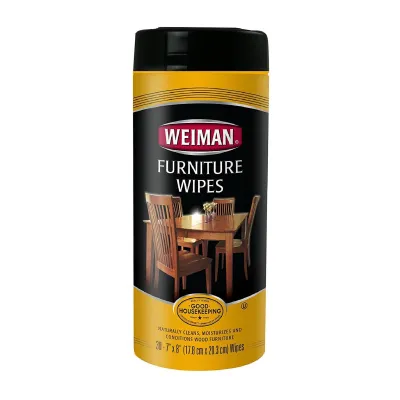
Prices are valid at publication and may change. Please refer to the product page for the latest price.
Beyond the leather surface itself, the structural integrity of your car seats relies heavily on the stitching that holds the panels together. Many modern vehicles use high-strength nylon or polyester threads that can weaken or fray when repeatedly exposed to harsh chemical residues left behind by non-neutral wipes. To prevent this gradual degradation, you must look for explicit “pH balanced” or “pH neutral” declarations on the product packaging. Do not assume a product is safe simply because it is marketed for leather; look for clear, technical labeling that confirms the formula is chemically optimized for delicate automotive finishes.
Because manufacturers are not always required to print exact pH values on retail packaging, verifying these claims sometimes requires a step beyond the store shelf. If the label only uses vague marketing terms, you can request the Safety Data Sheet (SDS) directly from the manufacturer or access it via their official website. The SDS provides a detailed chemical breakdown, often listing the exact pH range of the liquid solution under Section 9 (Physical and Chemical Properties). Checking this document ensures you are putting a truly neutral formula on your seats rather than relying on unsubstantiated retail promises.
How to Test Cleaning Power Without Damaging Leather
Before applying any new leather wipe across your entire cabin, establishing a safe testing protocol is essential to prevent widespread, irreversible damage. Even highly rated products can react unexpectedly with specific aftermarket leather treatments, localized wear patches, or proprietary OEM coatings. Always perform a mandatory spot test in an inconspicuous area, such as the lower side plastic-adjacent leather trim or the underside of a headrest. This isolated test allows you to observe how the chemical formula interacts with your specific upholstery before committing to highly visible areas like the center cushions or steering wheel.

During and immediately after your spot test, closely monitor the leather for any immediate physical changes. Look for signs of color transfer onto the wipe itself, which indicates that the cleaner is dissolving the leather’s dye or protective topcoat. Once the test area dries, inspect it under direct light to check for finish dulling, patchy discoloration, or a sticky residue that could attract dirt. A high-quality, compatible wipe should leave the surface looking clean and matte, matching the original factory finish without altering the natural texture or leaving a greasy film.
The physical material of the wipe itself is just as important as the liquid formula it carries. Standard non-woven synthetic wipes can sometimes be abrasive, especially if they contain coarse fibers that can cause micro-scratches on delicate, soft-grain leather over time. When evaluating Weiman or alternative brands, feel the texture of the dry wipe and inspect its fiber density. Opt for wipes made from soft, high-quality microfiber or ultra-fine non-woven materials that lift dirt gently rather than scrubbing it abrasively into the leather pores.
Weiman vs. Alternatives: Comparing Packaging and Ingredients
The design of a leather wipe’s packaging directly influences its long-term usability and cost-effectiveness. Many brands package their wipes in either rigid plastic canisters with snap-tight sealing lids or flexible soft pouches featuring adhesive resealable flaps. Rigid canisters generally offer superior structural protection and a more reliable seal, preventing air from entering and drying out the remaining wipes. Soft pouches are more compact and easier to store in seatback pockets, but their adhesive seals can degrade quickly when exposed to dust, oils, and cabin heat, leading to premature evaporation of the cleaning solution.
When comparing the ingredient lists on the back of the packaging, look for a clear distinction between basic cleaning solvents and nourishing conditioning agents. Premium options, including Weiman, often highlight the inclusion of natural conditioners such as aloe vera, cosmetic-grade oils, or vitamin E, which aim to keep the leather supple. Conversely, budget-focused alternatives may rely primarily on water, surfactants, and simple alcohol-based solvents to lift dirt quickly. While solvent-heavy wipes clean efficiently, they lack the moisturizing properties needed to prevent leather from drying out under constant sun exposure.
It is important to note that specific chemical concentrations and proprietary conditioning blends are rarely fully disclosed on retail labels. To make an accurate comparison, you must rely on the listed ingredients as a guide and verify any specific material compatibility claims printed on the physical package. If your vehicle features specialized semi-aniline or full-aniline leather, standard retail wipes may not be suitable, and you should verify compatibility with both the wipe manufacturer and your vehicle’s owner manual before application.
Calculating True Value and Cost Per Wipe
Evaluating the economic value of car leather wipes requires looking beyond the initial retail price tag. A package that costs S$12 might seem like a better deal than one priced at S$18, but the true cost is determined by the price per individual wipe and the efficiency of each sheet. To calculate this, divide the total retail price by the number of wipes contained in the package. This simple calculation often reveals that slightly more expensive packages offer a lower cost per unit, making them more economical for routine, high-frequency detailing.
However, cost per wipe is only half of the equation; you must also consider the physical size, thickness, and moisture retention of each sheet. A thin, dry, or undersized wipe may require you to use three or four sheets just to clean a single driver’s seat, quickly depleting your supply. A thicker, larger, and well-saturated wipe can often cover multiple seating surfaces before drying out, delivering far better real-world value despite a higher upfront cost. Assess the physical dimensions and thickness listed on the packaging to estimate how many wipes you will realistically need per cleaning session.
In Singapore’s tropical climate, environmental factors play a massive role in the actual lifespan of your detailing products. Storing leather wipes inside a parked car exposed to intense daily sunlight can raise cabin temperatures significantly, accelerating the evaporation of the liquid formula even inside sealed containers. If the packaging seal fails or the canister is left in a hot trunk, an entire pack of wipes can dry out and become useless within weeks. Factor in this environmental risk when choosing packaging styles, and prioritize durable, airtight containers if you plan to store your cleaning supplies inside your vehicle.
How to Choose the Right Wipe for Your Car Interior
Selecting the ideal leather wipe for your vehicle depends on your specific maintenance habits, storage conditions, and the type of leather installed in your car. Weiman leather wipes are a strong choice if you prefer a formula that combines gentle cleaning agents with surface conditioners like aloe and vitamin E, packaged in a rigid canister designed to preserve moisture. This option is highly suitable for car owners looking for a convenient, multi-action product for routine maintenance of standard finished leather seats.
On the other hand, competing alternatives may be more appropriate if you require a highly specialized, verified pH-neutral formula for delicate or custom leather finishes. If you manage a fleet of vehicles or perform high-frequency detailing, look for alternative brands that offer larger wipe dimensions or bulk packaging to minimize your cost per wipe. Always prioritize brands that provide transparent chemical disclosures and clear compatibility guidelines on their physical labels.
Before making your final purchase, always verify whether your vehicle features specialized upholstery, such as perforated cooling seats, nappa leather, or aftermarket protective ceramic coatings. Perforated leather requires extra care, as excess liquid from highly saturated wipes can seep into the perforations, potentially damaging the underlying foam cushions or heating elements. If your vehicle has specialized coatings or delicate finishes, consult your original vehicle manufacturer’s guidelines to ensure the wipes you choose will not void your warranty or degrade the specialized surface treatments.
Frequently Asked Questions (FAQ)
Can I use leather wipes on synthetic leather or vinyl?
You should always check the product label for explicit compatibility with synthetic leather, vegan leather, or vinyl before application. While some leather wipes are formulated to be safe on multiple interior surfaces, others contain specific oils or conditioners that cannot penetrate synthetic materials, leaving a greasy, sticky residue. Always perform a quick spot test on an inconspicuous area of your synthetic upholstery to ensure the cleaning solvents do not cause discoloration, swelling, or degradation of the synthetic topcoat.
How should I store leather wipes to prevent them from drying out?
To maximize the lifespan of your leather wipes, ensure the container is sealed completely airtight immediately after extracting a sheet. In Singapore’s hot and humid climate, storing wipes inside a parked car’s glove box or trunk can expose them to extreme temperatures, causing the moisture to evaporate rapidly. For best results, store your wipes in a cool, climate-controlled indoor environment, or keep them in a shaded, well-insulated detailing bag inside your trunk away from direct sunlight.
Do leather wipes replace dedicated leather conditioners?
No, routine leather wipes are designed primarily for quick surface cleaning, dust removal, and light maintenance rather than deep conditioning. While many wipes contain small amounts of conditioning agents to keep the surface supple, they do not penetrate deeply enough to restore severely dried or aged leather. To maintain your upholstery’s long-term elasticity and prevent cracking, refer to your vehicle manufacturer’s recommended maintenance schedule to determine when to apply a dedicated, deep-penetrating leather conditioner.

Community discussion
Share your experience or ask a question. Comments are reviewed before publication.