
Choosing between waterproof and breathable UV riding gloves comes down to a direct trade-off between moisture protection and airflow. If you frequently ride in heavy downpours or unpredictable wet weather, waterproof gloves are essential to keep your hands dry, though they retain more heat. Conversely, if your rides are primarily in hot, sunny, and humid conditions, breathable UV gloves offer the ventilation needed to prevent sweaty palms while protecting your skin from sun damage. Understanding how these designs differ in construction, safety, and comfort will help you select the most suitable pair for your daily commute or weekend journeys.
Core Differences in Design and Materials
Waterproof and breathable UV riding gloves utilize fundamentally different construction methods to manage the elements. Waterproof gloves rely on an internal, multi-layered membrane situated beneath the outer shell. This membrane features microscopic pores that are small enough to block external water droplets from entering, yet theoretically large enough to let microscopic sweat vapor escape. However, in practice, this barrier significantly restricts airflow, trapping warm air and body heat inside the glove.
Breathable UV gloves, on the other hand, prioritize maximum ventilation by incorporating mesh panels, perforated leather, or highly porous textiles. These materials allow wind to flow directly over your skin, carrying away heat and evaporating sweat almost instantly. The outer shell of a breathable glove is designed to balance this high airflow with abrasion resistance, often utilizing high-tensile synthetic mesh or lightweight perforated leather in key impact zones.
Products mentioned in this guide
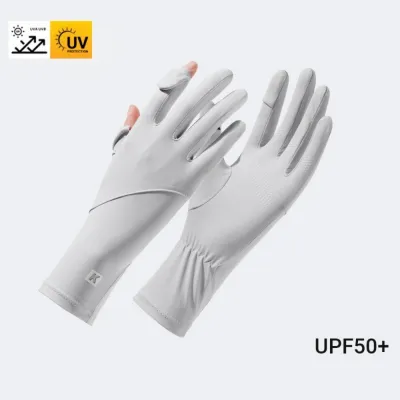
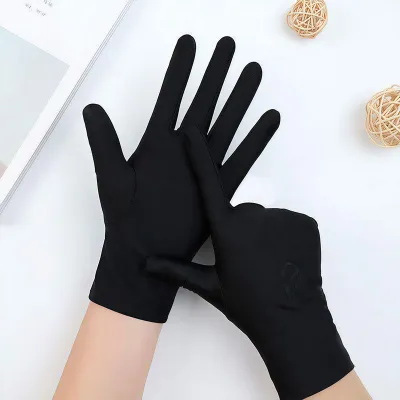
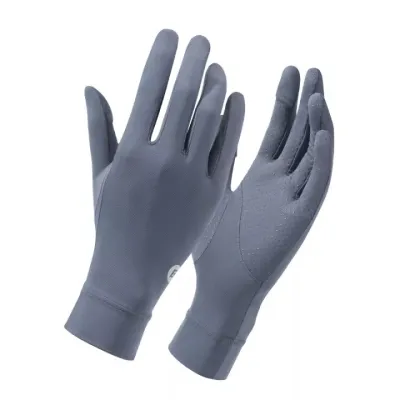
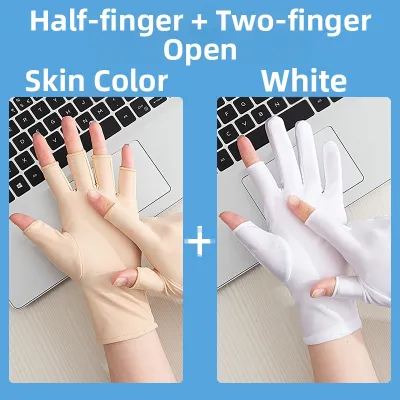
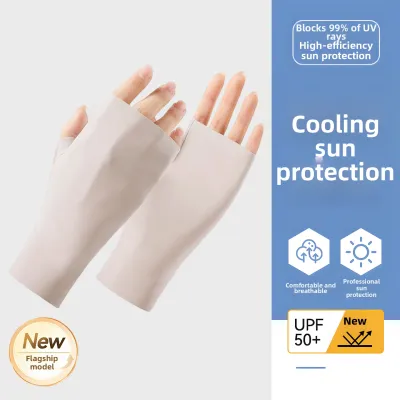
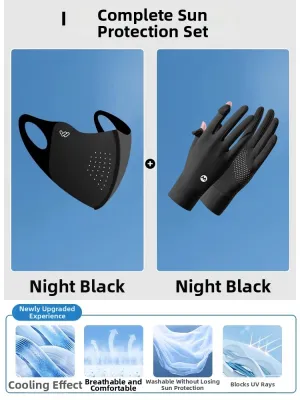
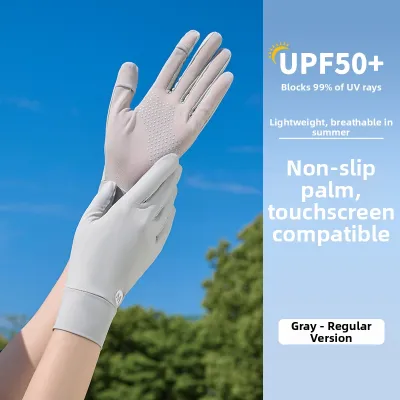
Prices are valid at publication and may change. Please refer to the product page for the latest price.
It is also important to distinguish between water-resistant surface treatments and fully sealed waterproof membranes. A water-resistant outer fabric is typically treated with a durable water repellent (DWR) coating that causes light mist to bead up and roll off. However, this treatment will quickly saturate during a sustained downpour. True waterproof gloves feature fully taped or sealed internal seams that prevent water from penetrating the glove interior, even under high wind pressure at highway speeds.
Matching Glove Features to Your Riding Environment
Selecting the right glove requires a realistic assessment of your local riding conditions and daily routes. In tropical climates characterized by intense sunlight, high humidity, and sudden, heavy afternoon downpours, the choice becomes highly tactical. If your daily commute involves short urban trips in heavy traffic, a breathable UV glove keeps your hands cool and dry from sweat, even if you have to seek shelter during a sudden storm.

Your average riding speed and trip duration also play a critical role in this decision. At highway speeds, wind chill can make wet hands uncomfortably cold, making a windproof and waterproof glove highly beneficial even in moderate temperatures. Conversely, slow-moving city traffic reduces the cooling effect of wind, making the heat retention of a waterproof glove feel stifling and uncomfortable.
Tactile feedback is another essential safety consideration. Waterproof gloves tend to be thicker due to their multi-layer construction, which can slightly damp the feel of your motorcycle’s throttle, front brake, and clutch levers. Breathable gloves generally offer a thinner, more direct connection to the controls, which many riders prefer for precise handling. You must weigh this tactile sensitivity against your personal tolerance for riding with damp hands if you choose a non-waterproof option.
Key Comparison Dimensions for UV Riding Gloves
To make an informed choice, you should compare how each glove type performs across several critical design dimensions. The most obvious trade-off is between ventilation and water protection. A fully sealed water barrier inherently blocks wind, meaning you cannot have a glove that is both 100% waterproof and highly ventilated. You must decide which of these two factors is your primary daily requirement.
Sun protection is another key dimension, especially for riders concerned about UV exposure during long daytime trips. Do not assume that dark colors or thick fabrics automatically guarantee high UV protection. Instead, look for gloves that specify their sun-protection capabilities through dense fabric weaves or specialized UV-blocking treatments. Verifying these details on the manufacturer’s product specifications ensures your hands are shielded from harmful radiation.
Regardless of weather protection, a riding glove’s primary job is safety during an impact or slide. Both waterproof and breathable gloves can be equipped with robust protective features, such as hard knuckle armor, palm sliders, and reinforced finger joints. When comparing models, ensure that the integration of mesh panels or waterproof membranes does not compromise the structural integrity of these safety components.
Finally, evaluate the closure systems and overall fit of the gloves. Waterproof gloves often feature longer gauntlet cuffs with dual-closure systems—one at the wrist and one at the cuff—to prevent rain from running down your jacket sleeves into the glove. Breathable UV gloves typically feature shorter, low-profile wrist straps that allow air to flow up your sleeves, but offer less coverage and protection against water ingress.
Verifying UV Protection and Safety Labels
When shopping for UV riding gloves, it is crucial to look past marketing buzzwords and verify actual safety certifications and ratings. For sun protection, look for a UPF (Ultraviolet Protection Factor) rating on the product tag. A rating of UPF 50+ indicates that the fabric blocks a significant portion of UV radiation, protecting your skin during extended exposure. Avoid relying on vague claims like ‘sun-proof’ without an official rating.
For physical protection, check for recognized motorcycle safety standards, such as the European CE certification (specifically EN 13594 for protective gloves for motorcycle riders). This certification indicates that the gloves have undergone standardized testing for abrasion resistance, seam strength, tear strength, and impact protection. The label will typically show a motorcycle icon along with a Level 1 or Level 2 rating, with Level 2 offering higher protection.
Take the time to inspect the physical construction of the gloves before purchasing. Look closely at the stitching along high-wear areas, such as the palms and the sides of the fingers. Double or triple stitching with high-strength thread, along with extra layers of material on the palm, are strong indicators of a durable glove that will hold up in a slide.
Be skeptical of generic terms like ‘waterproof’ or ‘breathable’ when they are not backed by specific testing standards or recognized material brands. High-quality manufacturers will openly state the specific testing standards their membranes or fabrics have passed. If a product tag lacks these verifiable details, the glove may not perform reliably under demanding road conditions.
Decision Framework: Which Type Should You Buy?
To finalize your decision, match your primary riding habits to the specific strengths of each glove type. Choose waterproof UV riding gloves if you are a daily commuter who cannot afford to wait out a storm, or if you frequently ride long distances where wet hands could lead to wind chill and reduced control. The peace of mind that comes with dry hands often outweighs the warmth and reduced ventilation of these gloves.
Choose breathable UV riding gloves if your riding is concentrated in hot, dry, or highly humid weather, and you primarily take shorter urban trips. The superior airflow will keep your hands comfortable, prevent sweat buildup, and maintain a secure grip on your controls. For many riders in warm climates, the comfort of constant ventilation is worth the minor inconvenience of having to carry rain covers or seek shelter during heavy downpours.
If you are looking for a single pair of gloves to handle all conditions, verify whether a dual-season or modular glove system is a practical option. Some riders find that carrying two pairs of gloves—a lightweight breathable pair for sunny days and a compact waterproof pair stored under the seat for sudden rain—is the most effective strategy. This approach ensures you always have the correct level of protection and comfort without compromising on either.
Before making your final purchase, always try the gloves on and simulate holding a motorcycle handlebar grip. Ensure the fingers are long enough that they do not pinch when your hand is curled around the grip, and verify that the armor aligns correctly over your knuckles. A proper fit is essential to ensure both the safety features and the weather-protection membranes function exactly as intended.
Frequently Asked Questions (FAQ)
Can I use breathable UV gloves in light rain?
Breathable UV gloves are designed with open mesh or perforated materials that allow water to pass through almost instantly. While some fabrics may have a light water-resistant coating that can handle a very brief mist, they will quickly saturate in steady rain. Using them in wet conditions will result in soaked hands and can compromise your grip on the controls.
Do waterproof motorcycle gloves cause hands to sweat in hot weather?
Yes, waterproof membranes inherently restrict airflow to keep external water out, which also traps heat and sweat inside the glove. In hot and highly humid climates, this can quickly lead to clammy, uncomfortable hands. To mitigate this, look for waterproof gloves that feature moisture-wicking inner liners or specialized breathable membranes designed to help transport sweat away from your skin.
How do I clean and maintain the waterproof membrane?
To preserve the integrity of a waterproof membrane, always consult the manufacturer’s specific care label first. Generally, you should hand-wash the gloves using cool water and a mild, non-detergent soap, as harsh chemicals can degrade the membrane and strip away outer water-repellent coatings. Allow the gloves to air-dry naturally in a well-ventilated area, keeping them away from direct heat sources like radiators or direct sunlight, which can damage the materials.

Community discussion
Share your experience or ask a question. Comments are reviewed before publication.