
Choosing the right bike gloves is one of the most critical decisions for any motorcycle rider, directly affecting both control over the handlebars and physical comfort during a ride. The choice between waterproof and breathable bike gloves ultimately depends on your immediate riding environment, local weather patterns, and how you balance external moisture protection against internal heat dissipation. In tropical climates like Singapore, where sudden torrential downpours frequently clash with high humidity, making the wrong choice can lead to either soaked hands from heavy rain or sweaty, uncomfortable palms from trapped heat. Understanding the structural differences and functional trade-offs of each glove type allows you to select the gear that best matches your daily commute or long-distance touring needs.
Understanding the Core Differences in Glove Construction
To make an informed decision, you must first understand how manufacturers construct these two distinct types of bike gloves. Waterproof gloves typically rely on a multi-layered design featuring an outer shell, a specialized waterproof membrane, and an inner comfort liner. This membrane—often made of polyurethane or other synthetic polymers—is engineered with microscopic pores that are small enough to block liquid water droplets from entering but large enough to allow water vapor from sweat to escape. However, the effectiveness of this barrier depends heavily on the manufacturer’s construction quality, including seam-sealing techniques and the integration of the membrane with the outer shell.
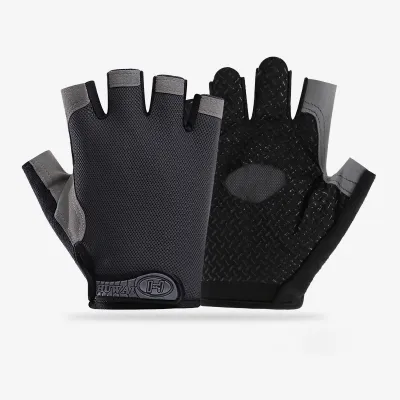
In contrast, breathable bike gloves prioritize maximum airflow to keep your hands cool and dry in warm conditions. These gloves generally feature a single-layer or lightly lined construction utilizing highly porous materials such as woven nylon mesh, perforated leather, or lightweight synthetic textiles. By eliminating the solid barrier of a waterproof membrane, breathable designs allow wind to pass directly through the glove, rapidly evaporating sweat and cooling the skin.
Products mentioned in this guide
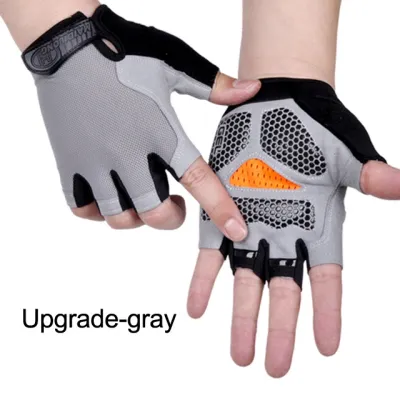
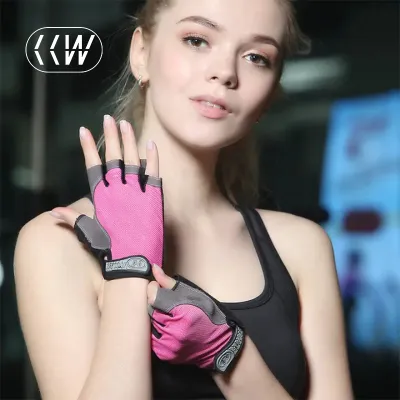
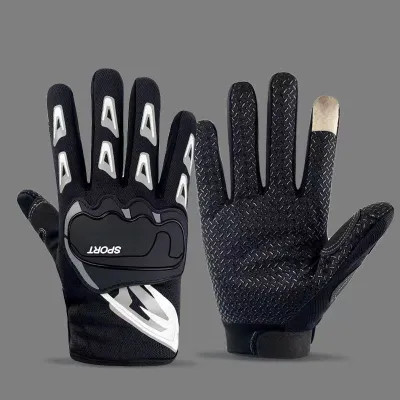
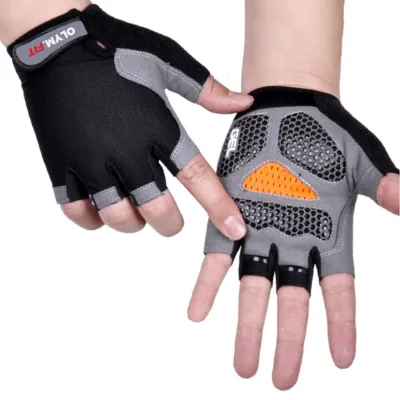
![[SG SELLER] Brand CBR Half Glove and full finger Glove Cycling Motor Sports Camping Hard Knuckles Gel Padding Fingerless Hands Protection Gear](https://img.lazcdn.com/g/p/636a66b331a6153e170bc7759744abb6.jpg_400x400q80.jpg_.webp)
Prices are valid at publication and may change. Please refer to the product page for the latest price.
When shopping for bike gloves, it is essential to read the product labels and manufacturer specifications carefully rather than relying solely on material names. A glove labeled as “leather” or “textile” does not automatically guarantee waterproof or breathable performance without specific design features. Look for explicit manufacturer ratings regarding water column resistance and moisture vapor transmission rates. Additionally, verify whether the seams are fully taped or welded, as stitched seams without proper sealing can easily allow water to penetrate even the most advanced waterproof fabrics.
Evaluating Weather Protection and Comfort Trade-offs
Choosing between waterproof and breathable bike gloves involves weighing clear functional compromises, particularly when riding in hot and humid environments. In a tropical climate like Singapore, the challenge of internal condensation is often just as significant as external rain. When you wear waterproof gloves in high temperatures, the lack of direct airflow can cause heat to build up rapidly inside the glove. Even if the membrane is technically breathable, the high ambient humidity can limit the rate of moisture evaporation, leading to sweaty hands and a damp interior that feels as uncomfortable as getting caught in a downpour.

On the dry side of the spectrum, breathable gloves offer unmatched comfort when navigating heavy traffic or riding under the midday sun. The continuous airflow prevents sweat accumulation, which helps maintain a secure grip on the throttle and levers. However, this open-air design offers virtually no protection against sudden rainstorms. Once wet, breathable mesh or perforated leather gloves can quickly become saturated, leading to cold hands due to wind chill and potentially compromising your control over the motorcycle’s inputs.
To understand the real-world comfort limits of any glove, you should inspect the inner liner materials and the cuff design. Many waterproof gloves feature moisture-wicking inner liners designed to pull sweat away from your skin, helping to mitigate the clammy feeling associated with sealed membranes. Meanwhile, the design of the cuff plays a major role in managing moisture; a tight, adjustable cuff can prevent water from running down your sleeves into a waterproof glove, while a wider, ventilated cuff on a breathable glove can help channel cooling air up your jacket sleeves.
Matching Glove Types to Your Riding Scenarios
Aligning your glove choice with your specific riding routines is the most practical way to ensure comfort and safety on the road. For short urban commutes through city traffic, breathable bike gloves are often the most practical daily option. The frequent stops and slow-speed maneuvers in urban areas generate significant body heat, making maximum ventilation essential for maintaining comfort. If a sudden shower occurs during a short trip, the inconvenience of wet hands is often manageable, and the gloves can be dried once you reach your destination.
For long-distance highway touring, the decision matrix shifts toward weather protection and versatility. Riding at high speeds for extended periods exposes your hands to continuous wind blast, which can rapidly lower your body temperature if your hands are wet. In these scenarios, waterproof gloves provide a crucial barrier against wind chill and unexpected weather changes along the route. Commuters who travel long distances daily or tour across regions with unpredictable weather patterns often find that the protection of a waterproof glove outweighs the loss of ventilation.
Managing wet-season versus dry-season riding requires a strategic approach to your gear selection. During monsoon periods or seasons characterized by daily downpours, relying solely on one pair of gloves can leave you unprepared. A highly practical solution is to carry a secondary pair of bike gloves in your under-seat storage or backpack. This allows you to wear lightweight, breathable gloves during dry spells and quickly switch to dedicated waterproof gloves when the sky darkens, ensuring your hands remain dry, warm, and fully capable of operating the controls.
Key Safety and Functional Features to Verify
Regardless of whether you prioritize waterproofing or breathability, safety must remain your primary consideration when selecting bike gloves. You should always verify the presence of certified impact protection by checking the product tags and manufacturer documentation rather than assuming safety based on the glove’s outer appearance. Look for dedicated knuckle armor made of carbon fiber, hard plastics, or impact-absorbing foam, as well as reinforced palm sliders designed to let your hand slide safely during a fall. These safety features are critical for preventing fractures and severe abrasion injuries, regardless of the weather-protection technology used.
Beyond impact protection, you should check the manufacturer’s specifications for functional features that enhance daily usability and control. For wet-weather riding, look for gloves equipped with grip-enhancing overlays on the palms and fingers, which help maintain a secure hold on wet handlebars. A built-in visor wiper—typically a flexible rubber strip on the index finger—is an invaluable feature for clearing rain from your helmet visor. Additionally, verify if the fingertips are compatible with touchscreens, allowing you to operate navigation devices without removing your gloves.
The choice between gauntlet and short-cuff designs also has a significant impact on both weather protection and ventilation. Gauntlet gloves extend over the wrist and are designed to overlap with your riding jacket sleeves, creating a highly effective seal against wind and rain when properly adjusted. Short-cuff gloves, on the other hand, end at the wrist crease, offering greater freedom of movement and allowing cooling air to enter through the sleeve openings. When choosing a cuff style, consider how the gloves integrate with your existing riding jacket to ensure a secure fit that does not create uncomfortable pressure points.
Care and Maintenance for Longevity
Proper care and maintenance are essential for preserving the protective qualities and functional lifespan of your bike gloves. Waterproof and breathable gloves require very different cleaning approaches to avoid damaging their specialized materials. For waterproof gloves, harsh detergents and vigorous scrubbing can puncture or delaminate the internal membrane, rendering the glove useless in the rain. Always refer to the care label, which typically recommends hand-washing with mild, membrane-safe soaps and avoiding fabric softeners that can clog the microscopic pores.
Breathable mesh gloves are generally more resilient but still require careful handling to prevent synthetic fibers from fraying or tearing. When washing mesh or textile gloves, hand-washing in cool water is usually recommended to protect the structural seams and integrated armor. Regardless of the material, you should always air-dry your gloves naturally in a well-ventilated area away from direct sunlight. Never use direct heat sources such as hair dryers, radiators, or clothes dryers, as excessive heat can melt synthetic fibers, degrade adhesives, and cause leather elements to shrink and crack.
Regularly inspect your gloves for observable signs of wear that indicate it is time for a replacement. Over time, the internal waterproof membrane can delaminate, leading to persistent leaks even if the outer shell appears intact. For breathable gloves, look for frayed stitching, thinning mesh panels, or loose armor pockets that could compromise safety during an impact. If you notice stiffened leather that limits your hand movement, compromised seam integrity, or cracked protective inserts, stop using the gloves immediately and invest in a new pair to ensure your hands remain fully protected on every ride.
Frequently Asked Questions (FAQ)
Can I use waterproof gloves in hot weather?
While you can wear waterproof gloves in hot weather, doing so often leads to significant discomfort due to a lack of direct ventilation. In high temperatures, your hands will sweat, and if the ambient humidity is high, the moisture cannot evaporate through the waterproof membrane effectively. This creates a humid environment inside the glove, making your hands feel damp and clammy. If you must ride in hot, wet conditions, look for specialized summer-waterproof hybrid gloves that feature lightweight constructions or adjustable ventilation zippers designed to allow limited airflow without compromising water resistance.
How do I know if my waterproof bike gloves are failing?
You can identify a failing waterproof membrane through several visual and tactile signs during or after a ride. If your hands feel consistently damp or cold in areas where rain is hitting the glove, the membrane or the seam tape may be compromised. Additionally, check the outer shell of the glove; if the fabric absorbs water and becomes heavy rather than allowing water to bead off, the durable water repellent (DWR) coating has worn off. While you can sometimes reapply a DWR spray to the outer fabric, persistent internal leaks indicate that the inner membrane has degraded and the gloves should be replaced.
Are breathable mesh gloves safe for highway riding?
Breathable mesh gloves can be safe for highway riding, provided they are specifically designed and certified for high-speed protection. When evaluating mesh gloves for highway use, do not assume that lightweight materials offer no protection; instead, check the product labels for certified safety ratings. Look for gloves that combine breathable mesh panels with high-abrasion-resistant materials, such as heavy-duty leather or advanced synthetic textiles, in critical impact zones like the palms, knuckles, and outer wrists. Ensure the gloves feature robust, securely stitched armor inserts to protect against severe impacts at higher speeds.
Community discussion
Share your experience or ask a question. Comments are reviewed before publication.