
Selecting the right hand gloves for men depends heavily on balancing weather protection against riding comfort. For riders facing unpredictable downpours or long-distance tours, waterproof gloves are an indispensable shield against the elements. Conversely, if your daily route consists of hot, dry urban commutes, highly breathable gloves offer the ventilation and tactile control needed to stay comfortable. Choosing between these two designs requires evaluating your local climate, typical ride durations, and how much tactile feedback you require from your motorcycle’s controls.
How Waterproof and Breathable Gloves Are Built
Waterproof riding gloves rely on a multi-layered construction to keep moisture out while attempting to let internal sweat escape. The outermost layer is typically treated textile or leather, followed by a specialized waterproof membrane. This membrane contains billions of microscopic pores that are small enough to block liquid water droplets but large enough to allow water vapor from sweat to pass through. To ensure complete protection, manufacturers seal the seams with specialized tape, preventing water from seeping through the stitching.
In contrast, breathable riding gloves prioritize maximum airflow through a lightweight, porous construction. These designs utilize highly ventilated materials such as 3D mesh, perforated leather, or lightweight textiles. Instead of multiple insulating layers, breathable gloves often feature a single-layer palm and a heavily ventilated backhand. This construction allows wind to pass directly through the glove, cooling your hands as you ride.
Products mentioned in this guide
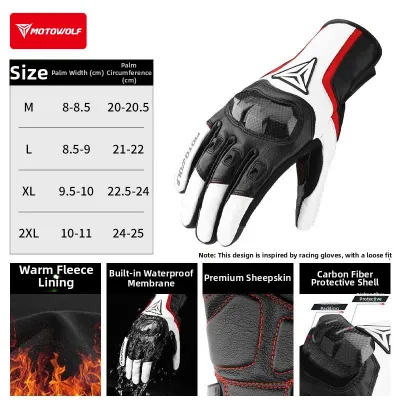
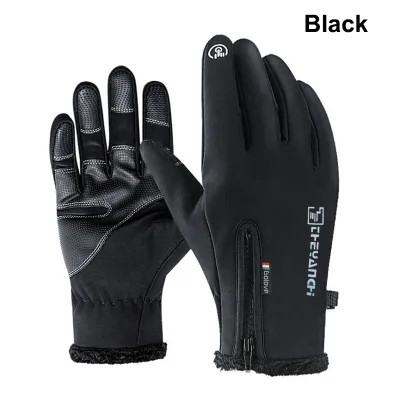
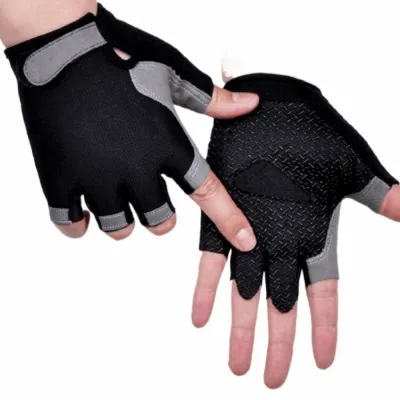
Prices are valid at publication and may change. Please refer to the product page for the latest price.
The structural differences between these two types directly impact your tactile feedback and grip. Waterproof gloves, with their multiple layers and internal membranes, tend to be bulkier. This added thickness can slightly dampen your feel for the throttle, brake lever, and clutch. Breathable gloves offer a much thinner profile, providing excellent tactile feedback and a more direct connection to your motorcycle’s controls.
Evaluating Your Riding Conditions and Climate
Your local riding environment is the most critical factor when choosing hand gloves for men. In tropical regions like Singapore, riders frequently encounter a challenging mix of intense heat, high humidity, and sudden, heavy downpours. A glove that performs exceptionally well during a dry afternoon commute might leave you drenched and uncomfortable when a sudden monsoon shower hits.

The nature of your daily route also dictates your ventilation needs. Urban commuting involves frequent stop-and-go traffic, traffic lights, and lower average speeds. In these conditions, natural airflow is limited, making highly breathable gloves advantageous for preventing excessive hand sweat. On the other hand, highway touring or long-distance riding exposes you to sustained high speeds, where wind chill and prolonged rain exposure become much more significant concerns.
Your personal physiology and sweat rate should also guide your decision. If your hands sweat easily, wearing a heavy waterproof glove in hot weather can create a humid environment inside the glove, leading to discomfort and difficulty removing them. Understanding how your body reacts to different temperatures helps you determine whether you need the constant cooling of mesh or the sealed protection of a waterproof barrier.
Waterproof Gloves: Best Use Cases and Trade-Offs
Waterproof gloves excel in wet weather, cooler climates, and long-distance touring where exposure to the elements is prolonged. By keeping your hands dry, these gloves prevent wind chill from stiffening your fingers, which is crucial for maintaining precise control over your brakes and clutch. They are a practical choice for riders who must commute daily regardless of the weather forecast.
However, the sealed nature of waterproof gloves comes with distinct trade-offs. In hot and humid conditions, even advanced breathable membranes can struggle to expel sweat as fast as your body produces it. This can lead to a damp interior, often referred to as the sauna effect. Additionally, if water manages to enter through the cuff of the glove—such as rain running down your jacket sleeve—the waterproof barrier will trap the water inside, resulting in very long drying times.
When shopping for waterproof options, it is important to verify the specific technology used. Rather than relying solely on generic product descriptions, check the manufacturer’s specifications for recognized membrane technologies. Look for details regarding seam construction and outer shell treatments, as high-quality waterproof gloves often feature a Durable Water Repellent (DWR) coating that causes water to bead off the surface.
Breathable Gloves: Best Use Cases and Trade-Offs
Breathable gloves are designed specifically for hot, dry days, short urban trips, and spirited riding where maximum grip and cooling are required. By allowing air to flow freely across your skin, these gloves help evaporate sweat quickly, keeping your hands dry and comfortable. The lightweight construction also reduces hand fatigue during long rides in warm weather.
The primary drawback of breathable gloves is their complete lack of water resistance. Even a light drizzle will instantly penetrate mesh panels or perforations, leaving your hands wet and cold. At highway speeds, wet hands are highly susceptible to wind chill, which can reduce your reaction times and grip strength.
When choosing breathable hand gloves for men, you must carefully evaluate the balance between ventilation and safety. Mesh panels offer excellent airflow but generally provide less abrasion resistance than solid leather. Look for hybrid designs that feature perforated leather in high-impact zones, such as the palms and knuckles, combined with mesh panels on the back of the hand to ensure both cooling and protection.
How to Verify Protection, Fit, and Usability
Regardless of whether you choose waterproof or breathable gloves, safety must remain your top priority. Always check the product labels for official safety certifications, such as the European CE standard (EN 13594). This certification indicates that the gloves have undergone standardized testing for abrasion resistance, seam strength, and impact protection. Look for reinforced palm sliders and sturdy knuckle armor to protect your hands in the event of a slide.
Proper fit is essential for both safety and comfort. A glove that is too tight can restrict blood circulation and cause hand fatigue, while a glove that is too loose can bunch up in the palm, reducing your grip on the handlebars. When trying on gloves, make a fist to ensure there is no excessive tension across the knuckles and check that your fingers do not press hard against the tips of the glove. Many modern riding gloves feature pre-curved fingers to match the natural resting position of your hands on the grips.
Usability features can also significantly enhance your riding experience. If you rely on a smartphone or GPS device for navigation, verify that the gloves feature touchscreen-compatible material on the index finger and thumb. This allows you to make quick adjustments to your route without the hassle of removing your gloves at the roadside.
Decision Framework: Which Type Should You Buy?
To make your final decision, evaluate your primary riding habits and local weather patterns. If you are a daily commuter who cannot afford to let rain disrupt your schedule, or if you frequently ride in cooler, wet conditions, a high-quality pair of waterproof gloves is the most practical choice. They ensure your hands stay dry and warm, preserving your control over the motorcycle.
If you primarily ride in hot, dry weather, limit your trips to short urban commutes, or prioritize maximum tactile feedback, breathable gloves are a highly suitable option. The constant airflow will keep your hands comfortable and prevent sweat buildup, allowing you to focus entirely on the road.
For riders in highly unpredictable climates, such as Singapore, a single pair of gloves may not cover all scenarios. Many experienced riders opt for a two-pair setup, wearing breathable gloves for their daily dry commutes and keeping a compact pair of waterproof gloves or waterproof over-gloves stored under their seat or in a backpack. This approach ensures you are prepared for sudden downpours without sacrificing daily comfort.
Frequently Asked Questions (FAQ)
How to Clean and Maintain Waterproof Membranes
To preserve the integrity of a waterproof membrane, always consult the manufacturer’s care label before cleaning. Avoid using harsh household detergents, fabric softeners, or bleach, as these chemicals can degrade the membrane and strip away the outer Durable Water Repellent (DWR) coating. Instead, hand wash the gloves using a mild, technical soap designed specifically for outdoor gear.
After washing, gently squeeze out excess water without wringing or twisting the gloves, which can damage the internal seams and membrane. Allow the gloves to air dry naturally in a well-ventilated area away from direct sunlight, radiators, or other heat sources. Applying excessive heat can cause leather to shrink and crack, and may delaminate the waterproof barrier.
Are Breathable Gloves Usable in Light Rain?
Breathable gloves are not designed to handle any level of moisture. Even in light rain, water will quickly saturate the mesh or perforated leather, leading to wet hands. Once wet, your hands will quickly cool down due to wind exposure, which can lead to stiffness, reduced sensitivity, and compromised control over the brake and clutch levers.
If you frequently encounter unexpected light rain, consider carrying a pair of lightweight, waterproof over-gloves that can be easily pulled over your breathable gloves. Alternatively, keeping a dedicated pair of waterproof gloves in your luggage allows you to quickly swap them out when the weather turns, ensuring your hands remain warm, dry, and fully capable of operating your motorcycle’s controls safely.

Community discussion
Share your experience or ask a question. Comments are reviewed before publication.