
Finding the right waterproof car seat cover requires looking past marketing buzzwords to understand how different materials and construction methods interact with liquids. True waterproofing—the ability to completely block moisture from reaching your vehicle’s original upholstery—is achieved through non-porous synthetic materials or specialized, impermeable backing layers. While water-resistant options repel minor spills temporarily, fully waterproof covers provide a reliable barrier against heavy saturation.
Selecting the ideal material involves balancing liquid protection with daily comfort, cabin aesthetics, and local climate conditions. Whether you are managing daily commutes in a humid tropical environment or protecting your interior from muddy outdoor gear, understanding the physical properties of leather, fabric, and mesh will help you make an informed decision.
How Car Seat Covers Actually Block Liquids
To evaluate a seat cover’s protective capability, you must first understand the difference between inherent material properties and applied surface treatments. Inherent waterproofing comes from non-porous materials, such as vinyl or heavy-duty rubber, which naturally prevent water molecules from passing through. In contrast, many fabric covers rely on applied hydrophobic coatings, often referred to as Durable Water Repellent (DWR) finishes, which encourage liquids to bead up and roll off the surface rather than soaking in immediately.
Products mentioned in this guide
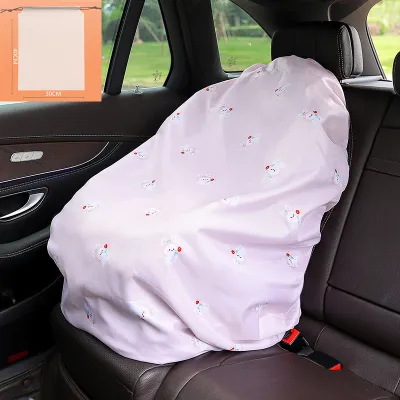
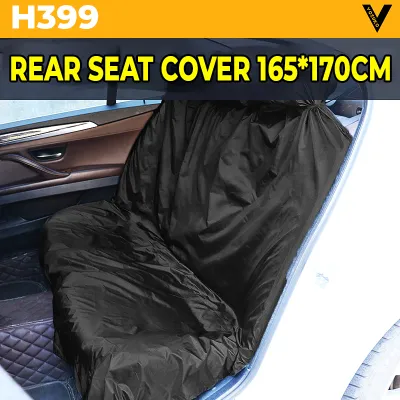
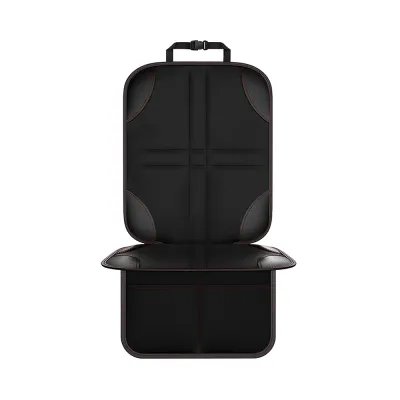
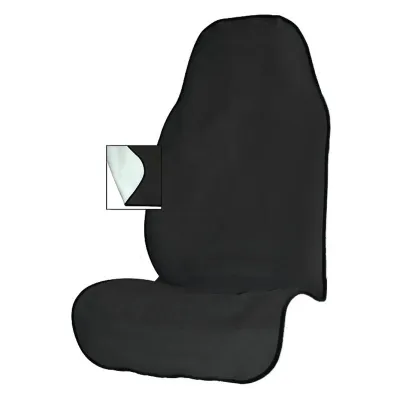
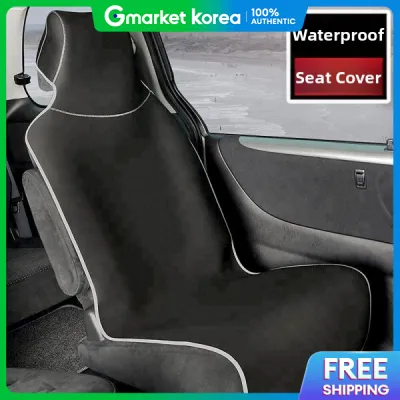
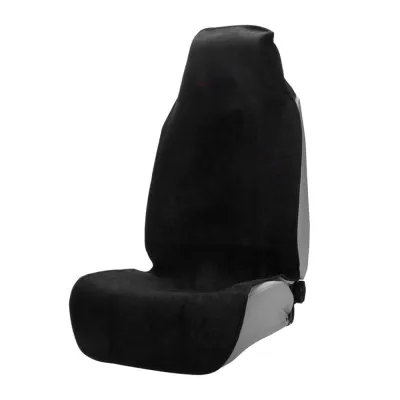
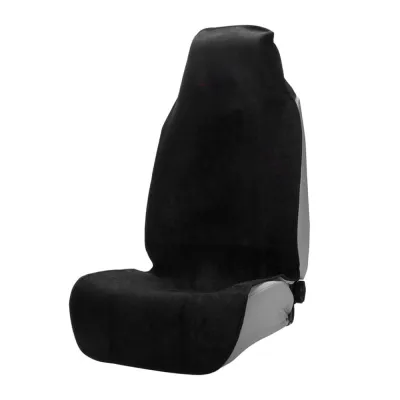
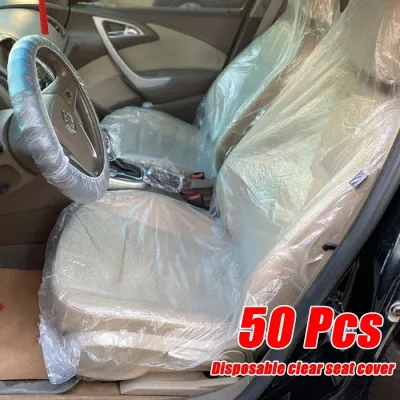
Prices are valid at publication and may change. Please refer to the product page for the latest price.
Even the most advanced waterproof surface will fail if the underlying construction is weak. High-quality waterproof seat covers feature a multi-layer design that includes an impermeable backing layer, typically made of polyurethane (PU) or thermoplastic polyurethane (TPU). Furthermore, water can easily seep through needle holes created during the stitching process. To prevent this, premium options utilize sealed or taped seams and robust edge binding to ensure that liquids cannot bypass the protective barrier at the joints.
When shopping on an online marketplace or at a local automotive specialty store, it is critical to distinguish between water-resistant and fully waterproof claims. Water-resistant covers are designed to handle minor, immediate spills, giving you a brief window to wipe away the liquid before it penetrates the fibers. Fully waterproof covers, verified by manufacturer specifications and clear labeling, are engineered to block heavy saturation, standing liquids, and wet clothing over extended periods without allowing any moisture to reach the original seat foam.
Leather and Synthetic Options: Wipe-Clean Protection and Comfort Trade-Offs
Natural leather is often prized for its premium appearance and durability, but it is inherently a porous material. To achieve water resistance, natural leather seat covers must undergo specialized factory tanning processes and receive protective topcoat sealants. Without regular maintenance and the application of authorized leather conditioners, these sealants can wear away, leaving the leather vulnerable to absorbing moisture, which can lead to staining, stretching, or mold growth over time.

Synthetic leather alternatives, such as polyurethane (PU) and polyvinyl chloride (PVC), offer a highly effective, non-porous solution for high-spill environments. These materials are completely impervious to liquids, making them an excellent choice for family vehicles, pet owners, and ride-sharing drivers. When a spill occurs on a synthetic leather cover, cleanup requires nothing more than a quick wipe with a damp cloth, preventing liquids from ever reaching the seat structure.
However, synthetic leather comes with distinct comfort trade-offs, particularly in warm and humid climates like Singapore. Because these materials do not breathe, they tend to retain body heat and can feel sticky or uncomfortably hot after the vehicle has been parked in the sun. Additionally, prolonged exposure to intense sunlight and high cabin temperatures can cause synthetic leather to dry out and crack, requiring users to follow the manufacturer’s specific conditioning routines to preserve the material’s flexibility.
Fabric and Canvas: Balancing Everyday Comfort with Spill Repellency
Fabric and canvas seat covers offer a traditional, textile-like feel that many drivers find more comfortable than synthetic leather. Heavy-duty canvas covers, often made from tightly woven cotton blends or polyester, are highly valued for their rugged durability and resistance to physical wear. To manage spills, manufacturers treat these tight weaves with hydrophobic surface coatings, causing liquids to bead up on contact so they can be blotted away quickly.
Despite their initial effectiveness, treated fabrics have clear physical limitations when exposed to prolonged moisture. If a spill is left unattended, or if the cover is subjected to heavy saturation—such as a wet swimsuit or a leaking water bottle—the liquid will eventually work its way through the weave. Once the hydrophobic barrier is overwhelmed, the fabric will absorb the moisture, compromising its protective function.
Maintaining treated fabric covers requires careful attention to prevent long-term damage. If liquids bypass the surface treatment and reach the underlying foam backing, they can trap moisture, leading to unpleasant odors, deep-set stains, and mold growth. Cleaning these covers often requires gentle spot treatments or specialized washing procedures, as standard laundry detergents and high-heat drying can rapidly degrade the protective hydrophobic coating.
Breathable Mesh: Managing Airflow and Realistic Spill Protection
Breathable mesh seat covers are engineered primarily to maximize ventilation and passenger comfort. Featuring an open-weave design, mesh allows air to circulate freely between the driver and the seat, which significantly reduces sweat and heat buildup during long drives in warm weather. However, this open structure presents an obvious physical conflict: a material designed with open holes cannot inherently block liquids.
To provide any meaningful spill protection, a mesh seat cover must utilize a multi-layer construction. In these designs, the breathable mesh serves as the top comfort layer, while a hidden, waterproof membrane—such as a thin layer of TPU—is bonded underneath. This configuration allows air to circulate in the upper layer while preventing spilled liquids from penetrating down into the vehicle’s original upholstery.
Drivers should align their expectations when choosing mesh covers, as they are best suited for specific use cases. If your primary goal is temperature regulation, moisture-wicking, and protection against light perspiration, mesh is an excellent choice. However, if you frequently transport wet pets, muddy outdoor gear, or open cups of liquid, a solid synthetic leather or heavy-duty treated canvas cover will provide much more reliable defense.
How to Match Seat Cover Materials to Your Driving and Lifestyle Needs
Selecting the right waterproof seat cover requires a realistic assessment of your daily driving habits and cabin risks. If your vehicle frequently carries young children, pets, or muddy sports equipment, prioritizing a heavy-duty, easily wipeable material like synthetic leather or thick canvas is highly recommended. For daily commuters who prioritize comfort and temperature control over maximum liquid defense, a treated fabric or a multi-layer mesh cover with a waterproof backing may offer the best balance.
Before making a purchase, always verify the product’s technical specifications and construction quality. Look for details regarding seam construction, backing materials, and specific care instructions to ensure the product meets your durability expectations. It is also wise to consider the ease of installation and removal, especially if you plan to take the covers off regularly for cleaning or seasonal storage.
Most importantly, you must verify critical safety and functional compatibility with your specific vehicle model and year. Consult your vehicle’s owner manual and the seat cover manufacturer’s documentation to ensure the covers are fully compatible with side-impact airbags. Airbag-compatible seat covers feature specialized breakaway stitching or dedicated cutouts that allow the airbag to deploy without restriction in an emergency. Additionally, be aware that thick waterproof backings or dense synthetic materials can insulate the seat, potentially reducing the heating or cooling efficiency of integrated seat climate systems.
Frequently Asked Questions (FAQ)
Can I apply aftermarket waterproofing sprays to my existing fabric seat covers?
Yes, you can apply aftermarket waterproofing sprays to many fabric seat covers, but you must proceed with caution. Always check the seat cover manufacturer’s care label first, as some aftermarket chemical treatments can void product warranties or degrade existing fire-retardant coatings. It is also important to recognize that these sprays only provide temporary surface water resistance; they do not create a permanent, fully waterproof barrier and will require periodic reapplication as the treatment wears off from daily friction.
How do I clean a waterproof seat cover without damaging its protective coating?
To preserve the water-resistant properties of your seat covers, avoid using harsh chemical cleaners, bleach, or abrasive scrubbing brushes, which can strip away protective coatings. Instead, follow the manufacturer’s specific instructions, which typically recommend wiping synthetic leather with a mild soap solution or spot-cleaning fabrics with a damp cloth. If the covers are machine washable, use a gentle cycle with cold water and a mild detergent, and always air dry them completely, as the high heat of a tumble dryer can melt or crack waterproof backing membranes.
Will waterproof seat covers interfere with my car's side airbags or heated seats?
Waterproof seat covers can interfere with safety systems if they are not specifically designed for your vehicle’s configuration. When purchasing, you must verify that the product packaging or documentation explicitly states compatibility with side-impact airbags, which requires specialized breakaway seams or open side panels to ensure unobstructed deployment. Furthermore, dense synthetic materials and thick waterproof backing layers act as thermal insulators, which may noticeably slow down the heat transfer or reduce the overall efficiency of your vehicle’s integrated seat heating and cooling systems.

Community discussion
Share your experience or ask a question. Comments are reviewed before publication.