
Singapore’s tropical climate presents a unique challenge for car owners who want to keep their vehicles smelling fresh. With outdoor temperatures regularly hovering around 32°C and relative humidity often exceeding 80 percent, the interior of a parked car can quickly turn into a high-heat chamber. When you invest in a premium car fragrance like those from the Grasse line, you want to ensure that the scent remains sophisticated and the product itself survives the harsh environment.
Whether these premium French-inspired fragrances hold up in Singapore’s intense heat and humidity depends largely on the product format you select and how you manage cabin exposure. While the high-quality oils used in these formulations offer a more refined scent profile than cheap synthetic alternatives, physical laws still govern how they evaporate and interact with moisture. By understanding these dynamics, you can enjoy a consistent, pleasant aroma without risking damage to your car’s interior.
Understanding How Tropical Heat and Humidity Affect Car Fragrances
To evaluate how any premium car fragrance performs in Singapore, you must first understand the physical and chemical changes triggered by extreme cabin heat. When you park your car in an unsheltered open-air carpark, solar radiation passes through the windshield and windows, heating the dashboard, seats, and air inside. Within an hour, the temperature inside a closed, unventilated vehicle can easily surpass 60°C. This extreme heat dramatically accelerates the evaporation rate of volatile organic compounds (VOCs) and alcohol bases found in car perfumes. Instead of a slow, controlled release, the fragrance oils vaporize rapidly, leading to an overpowering scent initially, followed by premature depletion of the product.
Products mentioned in this guide
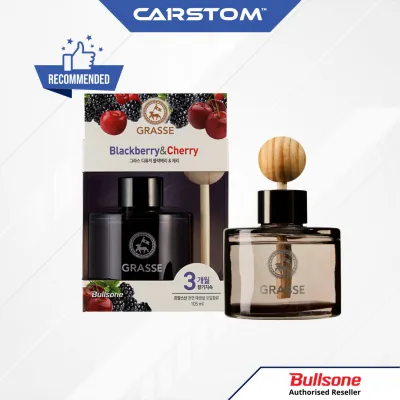
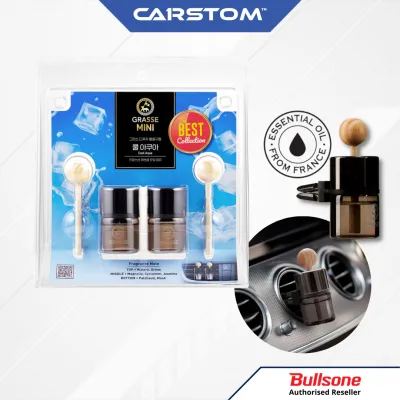
![Grasse Diffuser [Local] - Essential Oils Air Freshener Car Freshener Home Air Freshener for Cars diffuser](https://img.lazcdn.com/g/p/192d57e9ef04fad58943ec939e81b127.jpg_400x400q80.jpg_.webp)
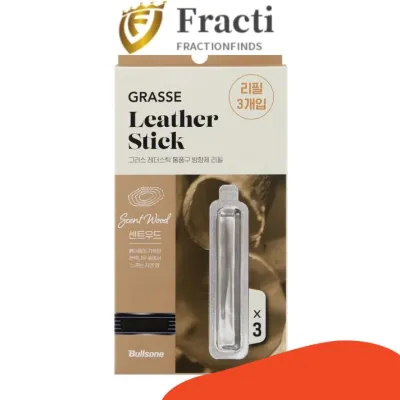
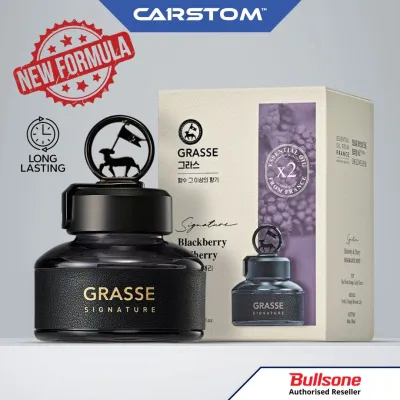
Prices are valid at publication and may change. Please refer to the product page for the latest price.
Beyond rapid evaporation, intense heat poses structural risks to the air freshener itself. Many car fragrances utilize plastic casings, adhesive pads, or synthetic seals to hold the scent delivery mechanism in place. Under direct sunlight and high temperatures, these materials can soften, warp, or melt. If a liquid diffuser’s seal degrades or a gel container warps, the contents can leak onto your car’s interior surfaces, leading to costly cosmetic damage.
Humidity adds another layer of complexity to scent projection and product integrity. Singapore’s high relative humidity means the air is already heavily saturated with water vapor. This moisture can alter how scent molecules disperse throughout the cabin, sometimes making heavy, sweet fragrances feel cloying or suffocating. Furthermore, if you use air fresheners with organic carriers, such as wood blocks, cardboard, or natural fibers, the high humidity can cause these materials to absorb moisture from the air. Over time, this trapped moisture can encourage mold or mildew growth on the carrier itself, completely ruining the fragrance and introducing unpleasant, musty odors into your vehicle.
Choosing the Right Grasse Format for Hot Cabins
Selecting the right product format is the most critical decision you will make when using Grasse fragrances in a tropical climate. These products generally come in several distinct formats, including liquid diffusers, solid gels, ceramic or membrane-based diffusers, and vent clips. Each format interacts differently with heat and humidity, meaning some are far better suited for Singapore’s roads than others.

Liquid diffusers, which often feature elegant glass bottles and wood-wick caps, provide an excellent, high-end aesthetic and a strong scent throw. However, they carry the highest risk in hot cabins. The liquid base is highly susceptible to rapid thermal expansion and accelerated evaporation. If the car is parked in the sun, the liquid can expand, push through the wooden cap, and drip onto your console. Solid gels, on the other hand, offer a much safer, spill-proof alternative. Because the fragrance oils are suspended in a solid polymer or gelatinous matrix, they do not spill or expand under pressure. However, cheap gels can liquefy under extreme heat, so it is vital to choose high-quality formulations designed to maintain their structural integrity at elevated temperatures.
Vent clips and membrane-based diffusers represent the most resilient options for tropical driving. These formats rely on the car’s air conditioning system to disperse the scent. Because they are mounted directly onto the AC vents, they are constantly cooled by the airflow when the car is running, which prevents the fragrance oils from overheating and evaporating too quickly.
Before purchasing, always check the manufacturer’s packaging and labels for specific product details. Look for maximum operating temperature ratings, alcohol-free formulations, and warnings regarding tropical climates. Alcohol-free or low-alcohol oil bases are highly preferable for hot climates, as alcohol lowers the boiling point of the mixture, causing rapid evaporation and increasing the risk of pressure buildup. Additionally, inspect the casing materials; opt for products housed in glass, aluminum, or high-grade, UV-resistant polymers that will not warp or degrade when exposed to sunlight.
Safe Placement to Prevent Melting and Dashboard Damage
Where you position your car air freshener is just as important as the format you choose. A common mistake among drivers is placing liquid or gel-based fresheners directly on the dashboard. The dashboard is the hottest zone in any parked car, receiving direct, unfiltered solar radiation through the front windshield. Placing a fragrance unit here exposes it to maximum thermal stress, which can cause plastic housings to melt, adhesives to fail, and liquids to boil or leak.
If a liquid perfume or melting gel leaks onto your dashboard, the consequences can be severe. Most car fragrances contain chemical solvents and essential oils that act as mild solvents themselves. When these substances come into contact with dashboard plastics, synthetic leather, or vinyl wraps, they can cause permanent chemical staining, bubbling, peeling, or cracking. Repairing a damaged dashboard can easily cost hundreds of dollars, far outweighing the price of the air freshener.
To mitigate these risks, utilize your vehicle’s air conditioning vents. Mounting a vent-clip diffuser keeps the product away from direct solar radiation and places it directly in the path of cooled air. This cooling effect regulates the temperature of the fragrance oil, ensuring a controlled, steady release of scent rather than a sudden burst. If you prefer a liquid or gel diffuser that cannot be mounted on a vent, place it in a cup holder, a door pocket, or under a seat where it is shielded from direct sunlight.
Regardless of where you place the freshener, always ensure it is secured with a reliable mounting mechanism. Many premium fragrances come with double-sided adhesive pads or specialized clips. Before applying these, clean the mounting surface thoroughly to remove dust and interior dressings, which can prevent proper adhesion. A loose, heavy glass bottle can easily become a dangerous projectile during sudden braking or a collision, or it could fall into the footwell and obstruct your pedals, creating a major safety hazard on Singapore’s busy roads.
Maximizing Scent Longevity in a Tropical Climate
While Singapore’s climate is undeniably tough on car fragrances, you can adopt several practical habits to extend the lifespan of your air freshener and maintain a pleasant cabin environment. Many premium diffusers and vent clips feature adjustable dials, sliding covers, or membrane caps that allow you to control the size of the scent-release opening. During the hottest months or when you are parking unsheltered, keep these openings set to the minimum functional level. The natural airflow inside the cabin is usually sufficient to disperse the scent without needing the vents fully open, which prevents unnecessary evaporation.
Reducing the overall heat load on your vehicle is another highly effective strategy. Whenever possible, park in shaded areas, such as multi-storey or basement carparks, which are widely available across Singapore. If you must park in an open-air lot, use a high-quality, reflective front windshield sunshade. These shades block a significant portion of solar radiation, keeping your dashboard and cabin temperatures substantially lower. This simple step not only protects your air freshener from degrading but also reduces the load on your car’s air conditioning system when you return.
Finally, learn to recognize the visual and olfactory signs that your air freshener has reached the end of its useful life. Over time, exposure to heat and UV light will cause fragrance oils to degrade. You may notice the liquid changing color, turning cloudy, or separating into distinct layers. Solid gels may shrink significantly, harden, or discolor. Olfactory signs include a sudden change in the scent profile—such as a sour, chemical, or weak smell—or a complete lack of fragrance even when the AC is running. When these signs appear, replace the unit promptly to avoid using a degraded product that could leak or emit unpleasant odors.
Frequently Asked Questions (FAQ)
Can I leave liquid car perfumes in a parked car under the sun?
Leaving liquid car perfumes in a vehicle parked directly under the sun is not recommended. The extreme heat inside a closed cabin causes the liquid and any trapped air inside the bottle to expand, which can build up significant pressure. This pressure can force the liquid out through the seals, cap, or wick, leading to leaks that can permanently stain or melt your dashboard and console plastics. Always check the manufacturer’s storage instructions and maximum temperature limits, and consider removing liquid fragrances or placing them in a shaded glove compartment if you plan to park in direct sunlight for extended periods.
Does running the air conditioner make the scent fade faster?
Running your car’s air conditioner does not necessarily make the scent fade faster; in fact, it can help regulate evaporation. The cool air from the AC lowers the temperature of the fragrance container, which slows down the natural volatility of the oils compared to a hot, stagnant cabin. However, high fan speeds and direct airflow will disperse the scent molecules more rapidly throughout the cabin. To maintain a consistent scent throw without wasting the product, balance your climate control settings and adjust the diffuser’s control dial to a lower setting when the AC is running at high speeds.

Community discussion
Share your experience or ask a question. Comments are reviewed before publication.