
The pH level of a car wash soap determines how aggressively it interacts with your vehicle’s paint, clear coat, and protective wax or sealant layers. For products like 303 Aerospace Car Wash, maintaining a balanced, pH-neutral formulation is essential for routine maintenance. A neutral pH ensures that the soap lifts surface dirt, dust, and light road grime without chemically stripping away the protective coatings or drying out sensitive rubber trim. To determine the exact pH of your specific bottle, checking the manufacturer’s official Safety Data Sheet (SDS) or product label is the most reliable method, as formulations can occasionally be updated.
Understanding how these chemical properties interact with your vehicle’s exterior is key to maintaining a lasting shine. Using the wrong type of soap can degrade your paint’s protective barriers, leaving the clear coat vulnerable to environmental damage. By learning how to verify product specifications and matching the soap’s pH to your specific detailing goals, you can keep your vehicle looking its best while preserving its long-term value.
Understanding the pH Scale in Automotive Cleaning
The pH scale is a chemical measurement used to determine how acidic or alkaline a water-based solution is. This scale ranges from 0 to 14, with 7 representing a completely neutral state, such as pure water. Any value below 7 is considered acidic, while any value above 7 is classified as alkaline. Because the pH scale is logarithmic, each whole number change represents a tenfold increase or decrease in acidity or alkalinity, meaning even small deviations can have a significant chemical impact.
Products mentioned in this guide
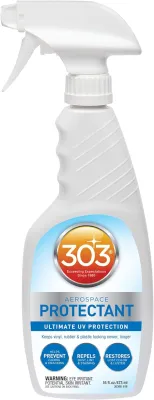
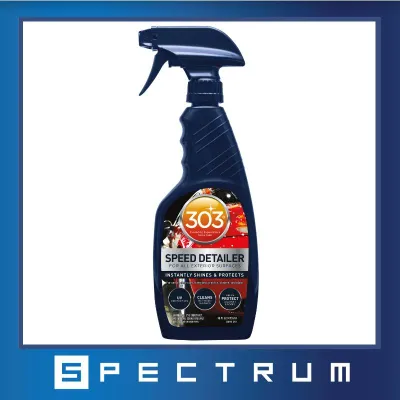
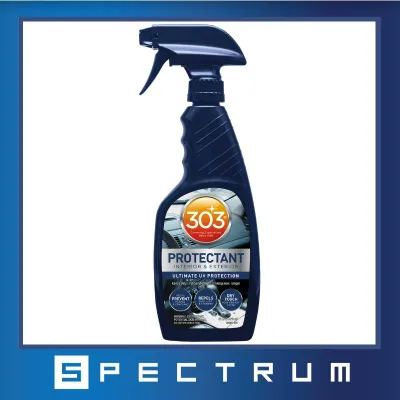
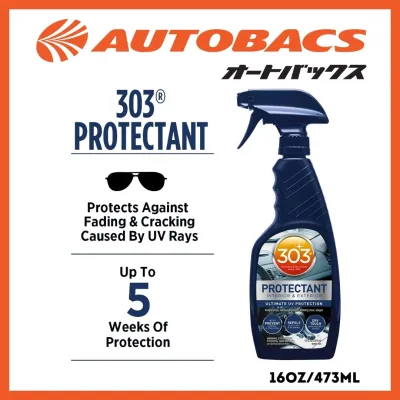
Prices are valid at publication and may change. Please refer to the product page for the latest price.
In the context of automotive detailing, different cleaning tasks require different chemical properties. Acidic cleaners, which sit on the lower end of the scale, are highly effective at dissolving inorganic mineral deposits. These are commonly used in specialized products like water spot removers or heavy-duty wheel cleaners designed to break down baked-on brake dust. However, their aggressive nature means they must be used with caution and rinsed thoroughly to prevent etching.
Alkaline formulations, sitting on the higher end of the scale, excel at breaking down organic matter, grease, oils, and road grime. Many heavy-duty pre-washes, traffic film removers, and snow foams are formulated to be alkaline to cut through tough road film quickly. While highly effective for deep cleaning, strong alkaline solutions can also degrade waxes and sealants, making them less suitable for regular maintenance washes.
This is where pH-neutral car wash soaps, which hover around the 7.0 mark, become essential. These soaps are engineered to balance cleaning efficiency with safety. Instead of relying on harsh chemical acidity or alkalinity to dissolve dirt, they utilize advanced surfactants to lubricate the surface and suspend dirt particles. This allows the grime to be safely wiped and rinsed away without chemically reacting with the paint or any pre-existing protective layers.
How to Verify the Exact pH of 303 Aerospace Car Wash
While many car care products are advertised as pH-neutral, chemical formulations can vary between specific product lines, batches, or regional distributions. To ensure you have the most accurate information for your detailing routine, it is important to know how to verify the exact chemical specifications of your 303 Aerospace Car Wash directly from official sources.

The first and most accessible place to check is the physical product label on your bottle. Manufacturers typically print key usage instructions, safety warnings, and primary chemical characteristics directly on the packaging. Look for explicit mentions of a “pH-neutral” or “balanced” formula, which indicates that the product is designed for safe, routine maintenance washing.
For a more precise and technical breakdown, you should consult the product’s Safety Data Sheet (SDS). The SDS is a standardized document that chemical manufacturers are legally required to provide. It contains detailed information about the product’s chemical composition, potential hazards, handling instructions, and physical properties. To find the pH value, download the SDS from the manufacturer’s official website and navigate to Section 9, which lists “Physical and Chemical Properties.” Here, you will find the tested pH range for that specific formulation.
It is highly recommended to avoid relying on third-party online forums, outdated blog posts, or unverified listings on ecommerce platforms. These sources often propagate outdated information, confuse different product lines, or make unsupported claims. Verifying the details through the official SDS ensures you are making decisions based on accurate, current chemical data.
How pH Levels Affect Your Clear Coat and Wax Layers
Your vehicle’s paint finish is protected by a thin, transparent layer known as the clear coat. This clear coat shields the underlying color pigment from UV rays, moisture, and physical abrasion. To enhance this protection and add gloss, detailers apply sacrificial barriers such as natural carnauba waxes, synthetic polymer sealants, or ceramic coatings. The pH of the soap you use directly impacts the lifespan and integrity of these protective layers.
When you use a highly alkaline soap on a waxed vehicle, the strong chemical agents begin to emulsify and dissolve the wax or sealant. Over several washes, or even a single wash with a highly concentrated alkaline solution, these protective barriers can be completely stripped away. This leaves your clear coat directly exposed to environmental hazards, accelerating oxidation and making the paint more susceptible to fine scratches and swirl marks.
Acidic cleaners present a different set of risks for your vehicle’s exterior. If an acidic solution is allowed to dry on the paint, or if it is used on sensitive materials like bare aluminum, chrome trim, or rubber seals, it can cause immediate chemical etching and staining. These marks can be incredibly difficult to remove, often requiring professional machine polishing or trim replacement to correct.
Using a pH-neutral car wash soap eliminates these chemical risks. Because the formula is balanced, it does not chemically attack the wax, sealant, or ceramic coating on your vehicle. Instead, the soap’s surfactants safely encapsulate dirt and road grime, allowing them to glide off the surface during the wash process. This preserves the integrity of your paint protection, ensuring your vehicle remains shielded from the elements for as long as possible.
Choosing the Right Soap for Your Washing Routine
Selecting the appropriate car wash soap depends largely on the current condition of your vehicle and what you hope to achieve during your detailing session. A structured approach to choosing your cleaning products will help you maintain your vehicle’s finish without causing accidental damage.
A pH-neutral soap is the ideal choice for routine maintenance washes. If your vehicle is washed weekly or bi-weekly, and has a pre-existing layer of wax, sealant, or ceramic coating, a neutral formula will safely clean the surface while preserving that protection. This is the safest option for regular upkeep, especially in tropical climates like Singapore, where frequent rain and high humidity require regular washing to prevent water spotting and environmental etching.
Conversely, there are specific scenarios where a higher-pH, alkaline soap is appropriate. If you are preparing your vehicle for a full detail, polishing session, or a fresh application of paint protection, using an alkaline “strip wash” can help remove old, degraded wax layers and stubborn road film. This deep cleans the paint surface, ensuring the new sealant or coating can bond directly to the clear coat for maximum durability.
Before starting your next wash, use this quick checklist to evaluate your routine:
- Assess the existing protection: If water is still beading tightly on your paint, use a pH-neutral soap to preserve that protective layer.
- Identify the contamination level: For light dust and road grime, stick to a neutral wash. For heavy grease, oil, or thick traffic film, consider a pre-wash spray before your main contact wash.
- Check your washing environment: Always wash your vehicle in a shaded area or inside a covered multi-storey car park to prevent any soap from drying on the warm paint, which can cause stubborn water spots regardless of the soap's pH level.
Frequently Asked Questions (FAQ)
Can I use dish soap instead of a dedicated pH-neutral car wash?
No, you should avoid using household dish soap on your vehicle’s paint. Dish soaps are formulated with highly alkaline degreasing agents designed to strip stubborn food grease from dishes. When applied to automotive paint, these harsh surfactants will rapidly strip away protective waxes and sealants, leaving your clear coat completely unprotected. Additionally, repeated use of dish soap can dry out rubber window seals and plastic trim, leading to premature fading, cracking, and degradation.
Does a pH-neutral car wash remove heavy road grime and brake dust?
pH-neutral car wash soaps are designed for safe, routine maintenance and may struggle to dissolve heavy, bonded contaminants like baked-on brake dust, road tar, or thick industrial fallout. Because they lack the aggressive chemical acidity or alkalinity needed to dissolve these stubborn materials, they rely primarily on lubrication and physical agitation. For heavily soiled areas, it is best to use dedicated, pH-specific spot cleaners—such as an alkaline wheel cleaner or an iron remover—as a pre-treatment before performing your standard, neutral contact wash.

Community discussion
Share your experience or ask a question. Comments are reviewed before publication.