
Car wet wipes should ideally have a pH-neutral level of approximately 7 to protect your vehicle’s paint. This neutral balance ensures that the cleaning solution can safely lift light surface contaminants without chemically reacting with the clear coat or stripping away protective waxes and sealants. Using wipes with an improper pH level can lead to gradual paint degradation, hazing, and costly cosmetic damage.
In tropical, high-humidity environments, vehicles are constantly subjected to intense sunlight, sudden downpours, and airborne contaminants. These environmental factors put continuous stress on your car’s exterior finish. While quick-cleaning wipes offer an incredibly convenient way to address spot cleaning on the go, understanding the chemistry behind these products is essential to maintaining a glossy, scratch-free finish over the lifespan of your vehicle.
Why pH Levels Matter for Automotive Paint and Clear Coats
Modern automotive paint systems consist of multiple layers, starting with a primer, followed by a base color coat, and topped with a transparent clear coat. The clear coat serves as the primary shield against environmental hazards, including ultraviolet radiation, acid rain, bird droppings, and road salt. Because the clear coat is a resin-based polymer, its structural integrity is highly sensitive to chemical exposure.
Products mentioned in this guide
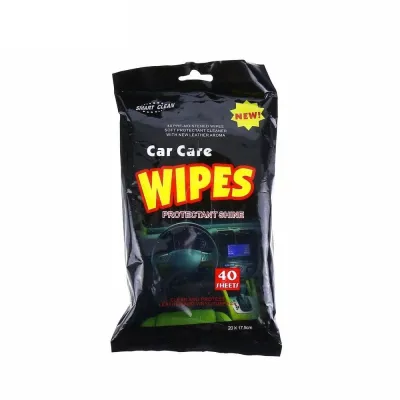
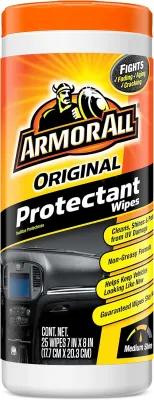
Prices are valid at publication and may change. Please refer to the product page for the latest price.
The pH scale, ranging from 0 to 14, measures how acidic or alkaline a liquid is, with 7 representing complete neutrality. When you apply a cleaning chemical to your car’s surface, the pH level of that chemical directly interacts with the clear coat. Highly acidic or highly alkaline solutions can weaken the molecular bonds of the clear coat over time, leading to premature oxidation, loss of gloss, and eventual clear coat failure.
While aggressive chemicals are sometimes necessary to break down stubborn contaminants, routine maintenance products must prioritize safety. A safe cleaning product works by lowering surface tension to lift dirt, rather than using chemical aggression to dissolve it. Using a non-neutral product for quick touch-ups can strip away the thin layer of wax or paint sealant protecting your vehicle, leaving the clear coat completely exposed to environmental damage.
Identifying the Safe pH Range for Car Wet Wipes
For routine exterior spot cleaning, a pH-neutral level of 7 is the industry standard for safety. Wipes formulated within this neutral zone (typically between 6.5 and 7.5) clean effectively by utilizing mild surfactants that encapsulate dust and grime without altering the chemical structure of the paint’s protective layers.

Alkaline wipes, which have a pH level above 8, are often formulated for heavy-duty degreasing tasks, such as cleaning wheels, engine bays, or exhaust tips. While highly effective at breaking down grease and baked-on brake dust, alkaline solutions should not be used on painted body panels. Repeated use of alkaline wipes on your car’s body will quickly strip away wax coatings, dry out plastic trim, and leave behind a dull, cloudy residue that is difficult to buff out.
Conversely, acidic wipes, which have a pH level below 6, are sometimes designed to target mineral deposits and water spots. However, using acidic formulations for general wiping is highly risky. The acid can etch directly into the clear coat resin, especially when the vehicle’s panels are warmed by the sun. This etching creates permanent, ring-like marks in the paint that typically require professional machine polishing to correct.
How to Verify Product Safety Before Wiping Your Car
To ensure you are using a safe product, look for explicit packaging declarations such as “pH-neutral,” “pH-balanced,” or “clear coat safe.” Reputable automotive care brands print these designations clearly on the label to assure consumers that the formula will not degrade existing paint protection.
Always read the manufacturer’s instructions to confirm the authorized surfaces for the product. Some wipes are formulated strictly for interior vinyl, leather, or glass, and may contain ingredients that are unsafe for exterior clear coats. Avoid any wipes that list harsh solvents, ammonia, or heavy-duty degreasers on their ingredient sheets, as these chemicals can soften the clear coat and dry out rubber window seals.
If you are trying a new brand of car wet wipes and cannot find a clear pH declaration, perform a quick spot test. Choose an inconspicuous area of the vehicle, such as the lower rocker panel or the inside of a door jamb. Wipe the area gently, let it dry completely, and inspect the paint under good lighting for any signs of hazing, discoloration, or residue before using the product on highly visible panels like the hood or roof.
Best Practices for Using Car Wet Wipes Without Scratching
Using a chemically safe, pH-neutral wipe is only half the battle; physical technique is equally important to prevent micro-scratches and swirl marks. Before applying a wipe to your paint, assess the surface for loose, abrasive debris. If the car is covered in dry sand, grit, or thick dust, wiping directly will drag these hard particles across the clear coat, acting like sandpaper.
When using a wipe, avoid rubbing in circular motions, which can trap grit and create highly visible swirl marks. Instead, use a gentle, straight-line wiping motion. Wipe in a single direction, lifting the wipe off the surface at the end of each pass. This technique ensures that any lifted dirt is pulled away from the paint rather than ground back into it.
Maximize the utility of each wipe by folding it into quarters. This gives you eight clean faces to work with. As soon as one section of the wipe becomes soiled, flip or refold it to a clean side. Once all sides are dirty, discard the wipe immediately. Attempting to stretch the use of a single dirty wipe is a primary cause of paint marring.
Always work in the shade on panels that are cool to the touch. If you use wet wipes on a hot car hood under direct sunlight, the liquid cleaning agents will evaporate almost instantly. This rapid drying leaves behind concentrated chemical residues, streaks, and water spots that defeat the purpose of a quick clean.
Limitations: When to Skip Wet Wipes for Traditional Washing
Car wet wipes are designed for light maintenance, such as removing fresh bird droppings, fingerprints, or light dust. They are not a substitute for a traditional car wash. If your vehicle is heavily soiled with thick mud, road grime, or baked-on tree sap, attempting to clean it with wipes carries an incredibly high risk of scratching the paint.
Traditional car washing relies on a high volume of water and rich shampoo suds to lubricate the paint and safely suspend dirt particles. Wet wipes carry a limited amount of moisture and cannot provide the lubrication necessary to safely glide over heavy contamination. Forcing a wipe over a heavily soiled panel will inevitably press abrasive grit into the clear coat.
When your car requires a thorough cleaning, opt for a traditional two-bucket wash method using a dedicated pH-neutral car shampoo and a plush microfiber wash mitt. Alternatively, for light-to-medium dust, a high-quality quick detailer spray paired with a clean, high-pile microfiber towel provides significantly more lubrication than a standard wet wipe, offering a safer waterless cleaning option.
Investing in a pack of high-quality, pH-neutral wipes is a cost-effective way to protect your vehicle’s finish between washes, potentially saving you from professional paint correction services that can easily cost upwards of S$200 to S$500.
Frequently Asked Questions (FAQ)
Can I use baby wipes or household cleaning wipes on my car paint?
No, you should never use baby wipes or household cleaning wipes on your car’s exterior paint. Household disinfecting wipes are formulated with harsh chemicals, alcohol, or strong surfactants designed for non-porous household surfaces, which can quickly strip away wax and damage the clear coat. Baby wipes, while gentle, often contain moisturizers, oils, and fragrances that leave a greasy, streaky residue on automotive paint, which will attract more dust and road grime.
Will pH-neutral car wet wipes strip my existing wax or sealant?
True pH-neutral car wet wipes are formulated with mild surfactants that clean the surface without breaking down the chemical bonds of waxes, sealants, or ceramic coatings. However, the physical friction of wiping can gradually wear down wax over time. While a single use of a pH-neutral wipe will not strip your protection, it is always a good practice to periodically reapply a spray wax or detailer to maintain maximum paint protection.
Community discussion
Share your experience or ask a question. Comments are reviewed before publication.