
To determine if NY03 motorcycle oil is suitable for your motorcycle, you must decode the technical specifications, viscosity grade, and formulation details printed directly on its label. Because motorcycle engines operate under high thermal stress and share oil with the transmission and clutch, matching these specifications to your vehicle manufacturer’s requirements is critical. Checking the physical bottle for its American Petroleum Institute (API) rating, Japanese Automotive Standards Organization (JASO) classification, and Society of Automotive Engineers (SAE) viscosity grade ensures your engine receives the exact level of protection and friction performance it needs.
Decoding Core Performance Specifications on the NY03 Label
Every bottle of NY03 motorcycle oil features standardized industry ratings that define its performance limits and chemical makeup. The first key indicator to locate is the API service classification, typically represented by a two-letter code such as SG, SH, SJ, SL, SM, or SN. This rating indicates the level of wear protection, deposit control, and oxidation resistance the oil provides. Newer letters in the alphabet generally represent more advanced additive technologies designed to meet modern emissions and hardware standards, though you must always verify which minimum API rating your motorcycle manufacturer specifies.
Next, look for the JASO standard, which is the most critical certification for motorcycle-specific oils. Unlike passenger car oils, which contain friction modifiers that can cause motorcycle clutches to slip, motorcycle oils are rated under JASO T 903. This standard divides oils into JASO MA, MA1, MA2, and MB. JASO MA, MA1, and MA2 oils are formulated with high-friction properties suitable for wet clutch systems, where the engine, transmission, and clutch share the same oil reservoir. JASO MB oils have lower friction properties and are designed strictly for automatic scooters or motorcycles with dry clutches.
Products mentioned in this guide
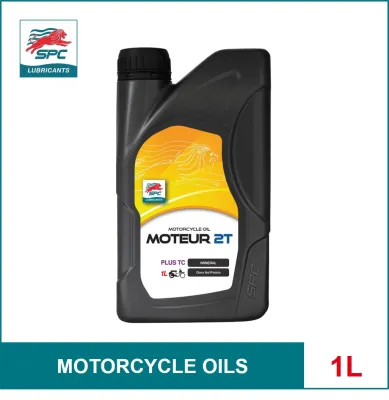
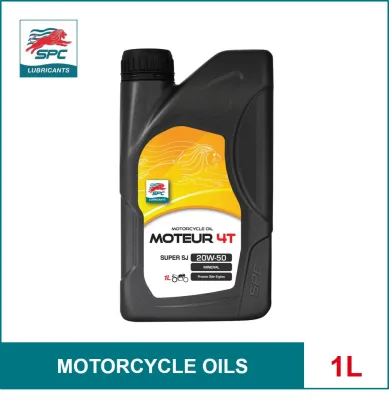
Prices are valid at publication and may change. Please refer to the product page for the latest price.
Finally, identify the base oil formulation on the label, which will state whether the product is mineral, semi-synthetic, or fully synthetic. Mineral oils are refined directly from crude oil and are often used for engine break-in periods or older, low-displacement engines. Semi-synthetic oils blend mineral and synthetic bases to offer balanced protection at a moderate price point. Fully synthetic oils utilize highly engineered chemical bases to provide enhanced thermal stability, resistance to oil breakdown, and consistent lubrication under extreme operating conditions.
Understanding the Viscosity Grade and Engine Protection
The viscosity grade of NY03 oil is designated by its SAE rating, which is displayed prominently on the front of the bottle in a format such as 10W-40 or 10W-30. This multi-grade numbering system describes how the oil flows at both low and high temperatures. The number preceding the “W” (which stands for Winter) indicates the oil’s flow characteristics during cold starts. A lower number means the oil remains fluid at lower temperatures, allowing it to circulate rapidly through the engine block immediately upon ignition to prevent dry-start wear.

The second number, following the hyphen, represents the oil’s kinematic viscosity at an operating temperature of 100 degrees Celsius. In Singapore’s tropical climate, where ambient temperatures remain consistently high and stop-and-go city traffic is common, engines run exceptionally hot. Under these conditions, the oil must maintain sufficient thickness (viscosity) to form a continuous protective film between moving metal parts, such as the piston rings and cylinder walls. If the high-temperature viscosity rating is too low, the oil film can shear and thin out, leading to direct metal-on-metal contact and accelerated engine wear.
Deviating from your motorcycle manufacturer’s recommended viscosity range carries significant mechanical risks. Using an oil that is too thick can increase internal fluid drag, leading to higher operating temperatures, reduced fuel efficiency, and sluggish throttle response. Conversely, using an oil that is too thin can result in insufficient oil pressure, accelerated wear on the camshafts and bearings, and potential engine seizure under heavy loads. Always match the SAE grade to the ambient temperature chart provided in your vehicle’s documentation.
How to Verify if NY03 Matches Your Motorcycle's Requirements
Before pouring NY03 oil into your engine, follow a systematic verification process to ensure proper compatibility. Begin by opening your motorcycle’s official owner’s manual and locating the maintenance or specifications section. Here, the manufacturer will explicitly state the required oil capacity (measured in milliliters or liters), the recommended SAE viscosity grades based on ambient temperatures, and the minimum API and JASO performance standards.
Compare these manual requirements directly against the printed label on the NY03 bottle. If your motorcycle features a manual transmission with a wet clutch, verify that the NY03 label displays a JASO MA or MA2 certification. Using a JASO MB oil in a wet clutch system will cause the clutch plates to slip, leading to power loss, erratic shifting, and premature clutch wear. For automatic scooters with separate gearboxes, ensure the manual permits the use of the specific JASO rating found on the NY03 bottle.
If you find any discrepancies, or if the specifications on the NY03 bottle are unclear, missing, or do not align with your owner’s manual, do not proceed with the oil change. In such cases, stop the selection process and consult a certified motorcycle mechanic or contact the oil manufacturer’s technical support line directly. Using unverified fluids can void your vehicle’s warranty and risk catastrophic engine damage.
Frequently Asked Questions (FAQ)
Can I mix NY03 oil with a different brand or viscosity?
Mixing NY03 oil with another brand or a different viscosity grade is highly discouraged. Every oil manufacturer uses a proprietary blend of base oils and chemical additive packages, including detergents, dispersants, and anti-wear agents. Mixing different formulations can cause these additives to react negatively, potentially reducing the oil’s lubricating efficiency, accelerating oxidation, or forming harmful sludge deposits. Additionally, mixing different viscosity grades alters the overall flow characteristics of the oil, which can compromise engine protection and void your manufacturer’s warranty. For reliable performance, perform a complete oil and filter drain before refilling your engine with NY03.
How often should I change my oil if I use NY03?
The correct oil change interval is determined strictly by your motorcycle manufacturer’s guidelines, which take primary precedence over any general marketing claims on the oil bottle. Refer to your owner’s manual for the recommended mileage or time-based service intervals. However, you should also perform regular physical inspections of the oil. If you observe visual signs such as a dark black color, a gritty texture indicating metallic particles, or if you experience operational symptoms like rough gear shifting or increased engine noise, you must change the oil and filter immediately, regardless of the mileage accumulated.

Community discussion
Share your experience or ask a question. Comments are reviewed before publication.