
Motorcycle engine oil viscosity grades measure how easily the oil flows at specific operating temperatures, directly affecting how well your engine is protected during startup and under heavy load. Selecting the correct viscosity grade is one of the most critical maintenance decisions you can make for your motorcycle, and it must always be based on the manufacturer’s specifications detailed in your owner’s manual. Using the wrong grade can lead to accelerated engine wear, clutch slippage, or reduced fuel efficiency, making it essential to understand what the numbers on the bottle mean before your next oil change.
Decoding Viscosity Numbers: What the Labels Actually Mean
The Society of Automotive Engineers (SAE) established the standardized grading system used on motorcycle engine oil packaging to classify oils by their flow characteristics. Most modern motorcycles use multi-grade oils, which are formulated to perform reliably across a wide range of temperatures. A typical multi-grade label, such as 10W-40 or 15W-50, consists of two distinct numbers separated by the letter “W” (for winter). The number preceding the “W” indicates the oil’s flow characteristics at low temperatures; a lower number means the oil remains more fluid in cold weather, allowing it to pump quickly through the engine during a cold start to prevent wear.
The second number in the sequence represents the oil’s viscosity at high operating temperatures, typically measured at 100 degrees Celsius. A higher second number indicates a thicker, more viscous oil film at operating temperature. This film acts as a protective barrier between moving metal parts, preventing direct contact under extreme heat and high engine speeds. Balancing these two numbers ensures that the oil is thin enough to protect the engine during startup but thick enough to maintain its structural integrity when the engine is hot.
Products mentioned in this guide
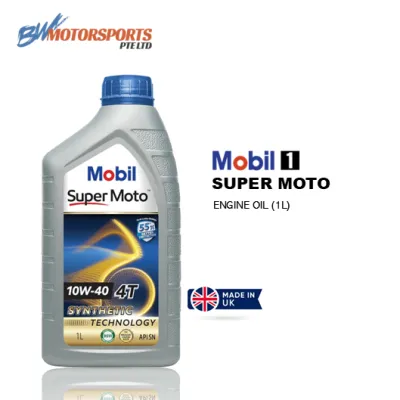

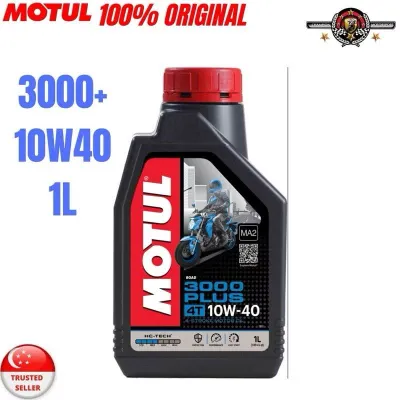
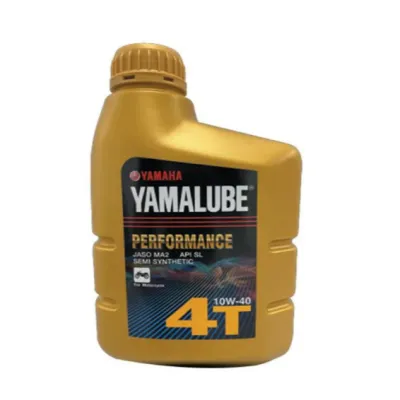
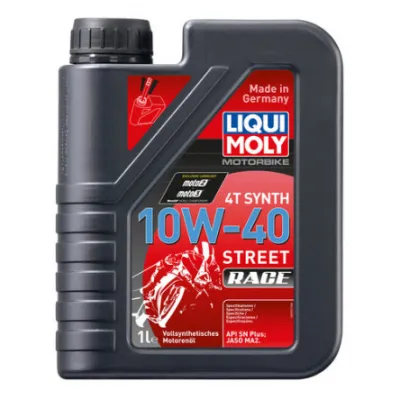
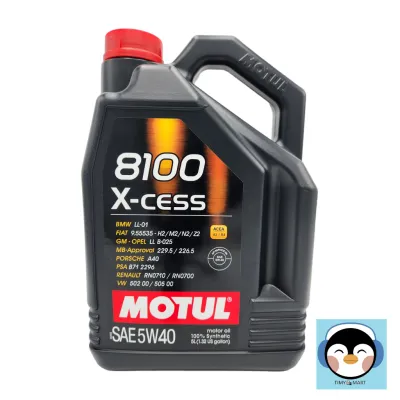
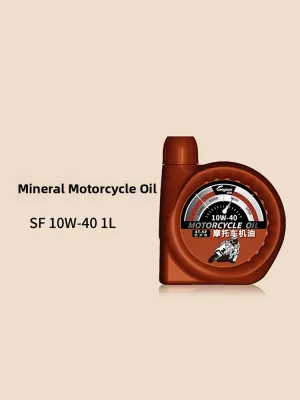
Prices are valid at publication and may change. Please refer to the product page for the latest price.
How to Find the Correct Viscosity Grade for Your Motorcycle
Your motorcycle’s owner’s manual is the sole authoritative source for determining the correct viscosity grade. Manufacturers design and test engines with specific clearances and operating tolerances, and they calibrate their oil recommendations to match these physical parameters. Guessing or relying on generic online advice can lead to choosing an incompatible oil that compromises engine health.

When you consult your owner’s manual, look for the engine lubrication or maintenance section, which typically features an oil specification chart. This chart will display the recommended SAE viscosity grades alongside corresponding ambient temperature ranges. In addition to the viscosity grade, the manual will specify critical performance standards, such as JASO (Japanese Automotive Standards Organization) classifications like JASO MA or MA2 for wet clutches, and API (American Petroleum Institute) service categories. You must verify that any oil you purchase meets both the viscosity grade and these specific performance standards.
In some regions, such as Singapore, where the climate remains consistently warm and humid year-round, the manufacturer’s chart may permit a slightly different viscosity grade than what is recommended for colder climates. For example, a manual might list 10W-40 as the standard but allow 15W-50 for sustained high-temperature operation. Always follow the specific temperature-viscosity chart provided by the manufacturer to ensure the oil matches your local riding conditions.
The Risks of Using the Wrong Viscosity Grade
Using an oil viscosity grade that deviates from the manufacturer’s recommendations can introduce serious mechanical risks. If you use an oil that is too thick, the engine must work harder to pump the fluid through its internal passages. This increased internal drag reduces fuel efficiency and can cause a noticeable drop in throttle response. More importantly, thick oil takes longer to reach critical components like the valvetrain during a cold start, leaving these parts temporarily unprotected.
Conversely, using an oil that is too thin poses a different set of hazards. Under high operating temperatures and heavy loads, thin oil may fail to maintain a sufficient protective film between moving parts. This oil film breakdown leads to direct metal-on-metal contact, accelerating wear on the pistons, cylinders, and bearings, and potentially causing the engine to overheat. Over time, this lack of protection can result in catastrophic engine failure.
Motorcycle engines also differ fundamentally from automotive engines because they often share a single oil reservoir among the engine, transmission, and wet clutch. This shared design means the oil must not only lubricate the engine but also provide the correct frictional properties for the clutch plates to engage without slipping, while protecting the gearbox from extreme shearing forces. Using incorrect viscosity grades or automotive oils—which often contain friction modifiers—can cause severe clutch slippage, poor gear shifting, and rapid transmission wear.
Single-Grade vs. Multi-Grade Motorcycle Oils: Which Do You Need?
Single-grade oils, also known as monograde oils, are formulated to meet a single viscosity classification, such as SAE 40 or SAE 50. These oils do not use viscosity index improvers, meaning their flow characteristics change significantly with temperature. They become very thick when cold and thin out rapidly as they heat up, limiting their effective operating range to narrow, stable temperature environments.
Multi-grade oils use specialized additives to resist thinning as temperatures rise, allowing them to flow like a thin oil in the cold while protecting like a thick oil at operating temperatures. This broad temperature protection makes multi-grade oils the standard choice for modern motorcycles. They offer the convenience of year-round protection and ensure the engine is safeguarded during both cold startups and high-speed highway cruising.
While single-grade oils are occasionally used in vintage motorcycles or specific classic engines with wider mechanical tolerances, they should only be used if explicitly recommended by the original manufacturer. For almost all modern riding scenarios, a high-quality multi-grade oil that matches your manual’s specifications is the safest and most effective choice.
Frequently Asked Questions (FAQ)
Can I mix different viscosity grades of motorcycle oil?
Mixing different viscosity grades of motorcycle oil is generally not recommended because it alters the overall viscosity profile and can compromise the oil’s performance characteristics. If you mix a 10W-40 with a 15W-50, the resulting mixture will have an unpredictable viscosity that may not adequately protect your engine under extreme temperatures. This practice should only be used as a temporary emergency measure when your oil level is critically low and the correct grade is unavailable. If you must mix oils to get home safely, you should perform a complete oil and filter change as soon as possible to restore the correct formulation.
Does oil viscosity need to change as the engine ages?
There is a common misconception that high-mileage engines automatically require a thicker viscosity grade to compensate for internal wear. However, modern motorcycle engines are built to incredibly tight tolerances, and they typically require the manufacturer-recommended viscosity grade throughout their entire operational lifespan. Arbitrarily switching to a thicker oil can restrict oil flow to critical areas and increase engine wear. If your older motorcycle is experiencing symptoms like high oil consumption or low oil pressure, you should have the engine diagnosed by a qualified mechanic rather than attempting to mask the underlying mechanical issues with a heavier oil grade.
Community discussion
Share your experience or ask a question. Comments are reviewed before publication.