
Finding the correct tire pressure for your motorcycle and matching it with a compatible motorcycle air pump is essential for maintaining handling, fuel efficiency, and overall road safety. The exact pressure your tires require is determined by your motorcycle manufacturer, not the tire manufacturer, and can typically be found on a placard on the swingarm or in your owner’s manual. To inflate these tires safely and accurately, you need an air pump that can reliably reach your required pressure, offer precise gauge readings, and fit into the often-restricted clearance space around your motorcycle wheels.
How to Determine the Correct PSI for Your Motorcycle Tires
To find the exact tire pressure recommended for your motorcycle, look for the manufacturer’s placard, which is commonly located on the swingarm, inside the chain guard, or under the seat. If it is not visible on the bike, consult your vehicle owner’s manual. This document provides the specific inflation pressures designed for the motorcycle’s original weight distribution and suspension setup.
A common mistake is reading the pressure rating printed on the tire sidewall and using it as the daily operating pressure. The number on the sidewall is the maximum inflation limit at maximum load capacity, which is determined by the tire manufacturer for safety limits. Operating your motorcycle at this maximum limit can lead to a harsh ride, reduced traction, and accelerated center-tread wear. Always default to the vehicle manufacturer’s recommended pressure instead.
Products mentioned in this guide
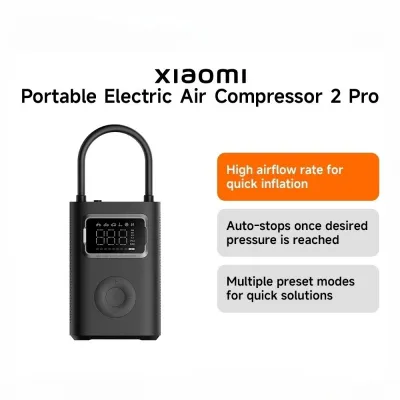
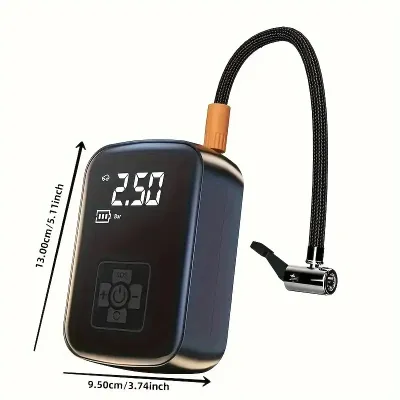
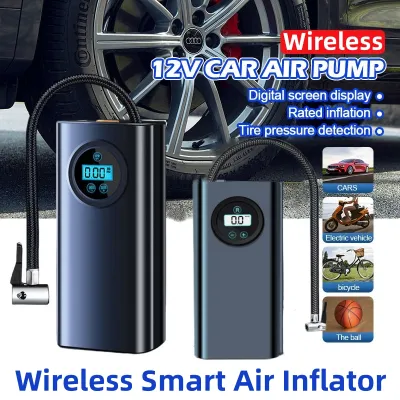
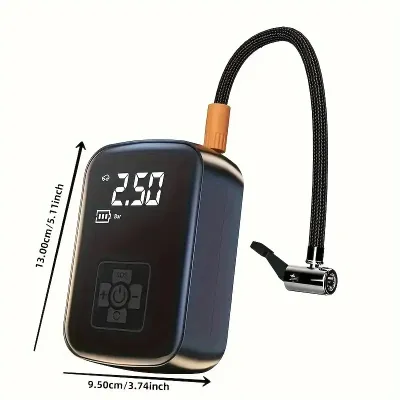
![[SPOT] Multi-purpose Inflator with Barometer Bicycle Pump Portable Air Pump For Motorcycle Mountain Bike Road Bike E-bike Basketball inflator With General Air Nozzle With Barometer CNY Gift Present](https://img.lazcdn.com/g/p/2c789efd61abbfc853d5eebef1221b94.jpg_400x400q80.jpg_.webp)
![[2025] Xiaomi Pump 2 MiJia Portable Handheld Electronic Air inflator/Pump Suitable For Car Motorcycle EBike Scooter Instock](https://img.lazcdn.com/g/p/3e082dd3fde1bc260eb18bfa0cd19ce7.jpg_400x400q80.jpg_.webp)
Prices are valid at publication and may change. Please refer to the product page for the latest price.
Your required tire pressure will also vary depending on how you use the motorcycle. If you regularly carry a passenger or load heavy luggage for touring, the rear tire will require a higher pressure to support the additional weight. The owner’s manual or swingarm sticker typically lists these dual specifications, showing one set of pressures for solo riding and another, higher setting for riding with a passenger or heavy cargo.
Decoding Air Pump Specifications for Motorcycle Use
When selecting a motorcycle air pump, you must evaluate its maximum pressure rating against its continuous operating capability. Many compact pumps claim high maximum pressures, but they may struggle or overheat when running continuously near those limits. Ensure the pump’s rated continuous operating pressure comfortably exceeds your motorcycle’s required PSI to prevent premature motor wear.

Airflow rate, often measured in liters per minute, determines how quickly a pump can fill a tire. While large vehicle tires require high airflow rates to inflate within a reasonable timeframe, motorcycle tires have relatively small air volumes. A pump with a moderate airflow rate is usually sufficient for motorcycles, but extremely high-flow pumps designed for large trucks can inflate a motorcycle tire too quickly, making precise pressure adjustments difficult.
Power sources are another critical factor when choosing a pump. Corded 12V pumps that plug into a motorcycle’s auxiliary port or connect directly to the battery are excellent for roadside emergencies, provided your bike’s electrical system can support the current draw. For home garage maintenance, a mains-powered AC pump or a rechargeable battery-powered cordless pump offers greater convenience without draining your motorcycle’s battery.
Matching Your Tire Needs to Pump Capabilities
Before purchasing a pump, check its duty cycle, which is the amount of time a pump can run continuously before it needs to cool down. A pump with a low duty cycle might overheat if you need to inflate both front and rear tires from completely flat, or if you are adjusting pressures for a group of riders. Look for a pump with a duty cycle that allows at least ten to fifteen minutes of continuous operation.
Gauge accuracy is paramount because even a minor variance of two or three PSI can noticeably alter a motorcycle’s cornering stability and braking performance. Digital gauges often provide clearer resolution down to decimal points, while analog gauges should have a clear, readable dial with fine increments. If you rely on a built-in pump gauge, verify its accuracy periodically against a high-quality, standalone digital tire pressure gauge.
Finally, consider physical compatibility with your wheels. Motorcycle wheels, especially those with dual brake discs, large hubs, or tight spoke patterns, offer very limited clearance around the valve stem. A pump with a bulky, straight clip-on chuck may not fit into these tight spaces. Opt for a pump that features a flexible hose and a low-profile, 90-degree angled chuck to ensure you can secure an airtight connection without straining the valve stem.
Practical Steps for Safe and Accurate Inflation
Always check and adjust your tire pressure when the tires are cold, meaning the motorcycle has been parked for at least three hours or ridden less than two kilometers. Riding generates friction and heat, which causes the air inside the tire to expand and show a temporarily higher pressure reading. Adjusting your tires when they are warm can lead to dangerous underinflation once they cool down.
To begin, remove the valve cap and firmly attach the pump’s chuck to the valve stem, ensuring there is no audible hissing sound that indicates escaping air. Turn on the pump and monitor the gauge closely as it approaches your target pressure. If you accidentally overinflate the tire, use the bleed valve on the pump or gently depress the center pin of the tire valve to release excess air, then recheck the pressure.
Inspect your tires visually during every inflation session. If you notice that a tire is losing pressure rapidly, fails to hold air, or shows signs of bead separation, cracking, or valve stem damage, do not attempt to ride. In these situations, stop operating the vehicle and consult a qualified professional or a professional tire technician to inspect or replace the tire.
Frequently Asked Questions (FAQ)
Can I use a standard car air pump for my motorcycle tires?
Yes, you can use a standard car air pump, but you must exercise caution. Car tires hold a much larger volume of air than motorcycle tires, so some high-output automotive pumps can inflate a motorcycle tire extremely quickly. This rapid inflation increases the risk of accidental overinflation, which can damage the tire structure. Always monitor the pressure gauge continuously and use a pump with an adjustable auto-shutoff feature if available.
How often should I check my motorcycle tire pressure?
You should check your motorcycle tire pressure at least once a week, and always before embarking on a long journey. Tires naturally lose pressure over time through microscopic permeation through the rubber and due to ambient temperature fluctuations. A drop in outdoor temperature will cause tire pressure to decrease, making regular checks essential for maintaining safe handling and preventing uneven tread wear.

Community discussion
Share your experience or ask a question. Comments are reviewed before publication.