
Selecting the right oil for a two-stroke (2T) engine is fundamentally different from choosing oil for a four-stroke (4T) vehicle. While four-stroke engines rely on multi-grade viscosity ratings like 10W-40 to lubricate a closed sump, two-stroke engines burn oil along with fuel. Consequently, 2T oil viscosity and performance are measured by how well the oil mixes with petrol, lubricates high-speed components, and combusts without leaving harmful deposits. Understanding these ratings ensures your engine runs efficiently, maintains power, and avoids severe mechanical failure.
Understanding 2T Oil Viscosity and Performance Ratings
Unlike four-stroke oils that use standard Society of Automotive Engineers (SAE) viscosity grades to describe thickness at cold and hot temperatures, 2T oils focus heavily on international performance classifications. While some 2T oils carry SAE viscosity grades, these numbers represent the base oil’s thickness before additives and solvents are introduced. Because 2T oil must blend seamlessly with petrol, manufacturers dilute the formulation with solvents to lower its viscosity at room temperature, allowing it to flow easily through injection pumps or mix evenly in pre-mix fuel tanks.
To identify the correct oil for your engine, you must look beyond simple thickness and examine performance standards established by organizations like the Japanese Automotive Standards Organization (JASO), the American Petroleum Institute (API), and the International Organization for Standardization (ISO). The most common ratings on a bottle of 2T oil are JASO FB, FC, and FD, or API TC. These standards evaluate the oil’s lubricity, initial torque, exhaust smoke production, and system blocking tendencies.
Products mentioned in this guide
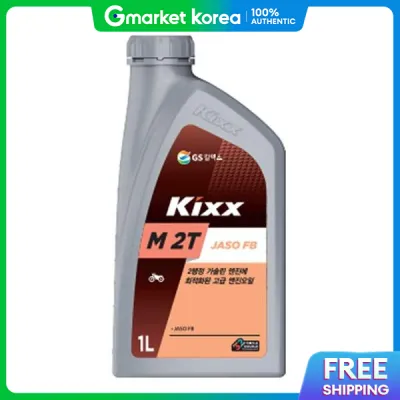
Prices are valid at publication and may change. Please refer to the product page for the latest price.
A higher performance rating, such as JASO FD, indicates higher detergency and lower smoke production compared to JASO FB under standardized testing conditions. However, this does not mean you should automatically choose the highest rating or assume a thicker oil provides better protection. Every engine is engineered with specific tolerances, operating temperatures, and fuel delivery systems. Always refer to your motorcycle owner’s manual to verify the exact performance standard and viscosity characteristics required for your specific model.
How Oil Thickness Impacts Lubrication and Combustion
Two-stroke engines demand a delicate balance from their lubricants. The oil must perform a dual role: it must coat the cylinder walls, piston rings, and crankshaft bearings with a resilient protective film, and then it must burn cleanly in the combustion chamber. The viscosity of the base oil determines how effectively it performs these tasks under extreme heat and high rotational speeds.

If you use a 2T oil that is too thick for your engine’s design, it may not atomize properly when mixed with fuel. This incomplete combustion leads to unburnt oil accumulating in the combustion chamber, resulting in heavy carbon deposits on the piston crown, cylinder head, and spark plug. Over time, these deposits can clog the exhaust port and restrict the flow of exhaust gases, reducing engine power and causing the spark plug to foul.
Conversely, using an oil that is too thin can be equally damaging. If the oil film cannot withstand the high operating temperatures and rapid piston movement, it will shear and break down. Without an adequate lubricating barrier, metal-to-metal contact occurs between the piston rings and the cylinder wall. This leads to localized overheating, scuffing, and eventually a seized engine. The ideal oil thickness must match your engine’s operating RPMs and thermal profile, which are pre-calculated by the manufacturer.
How to Choose the Right 2T Oil for Your Motorcycle
Selecting the correct 2T oil requires matching the product’s specifications directly to your motorcycle’s fuel delivery system and your typical riding conditions. Two-stroke engines generally use either an oil-injection system, where a pump delivers oil from a separate reservoir, or a pre-mix system, where you manually mix oil and petrol in the fuel tank. Injection systems require an oil with excellent flow characteristics to prevent the pump from clogging, especially during cooler morning starts.
Your riding environment also plays a critical role in your choice. For instance, navigating the warm climate and stop-and-go traffic of Singapore subjects engines to prolonged idling and high thermal stress. If you use your motorcycle for daily city commuting, you need an oil formulated to minimize smoke and carbon buildup at lower operating temperatures. Conversely, if you ride a high-performance or modified two-stroke machine at sustained high RPMs, you will require a high-grade synthetic oil designed to maintain film strength under extreme heat.
Always prioritize the specific JASO, ISO, or API rating recommended in your owner’s manual. If you have modified your engine, changed the fuel-to-oil ratio, or are transitioning from an injection system to a pre-mix setup, consult a qualified motorcycle mechanic. They can help you determine if your modifications require a different oil formulation or an adjusted mixing ratio to ensure adequate lubrication without compromising combustion efficiency.
Signs You Are Using the Wrong 2T Oil
Your engine will provide clear physical symptoms if the 2T oil you are using is incorrect or mixed in the wrong ratio. One of the most common signs is excessive, thick blue or white exhaust smoke after the engine has warmed up to its normal operating temperature. While some smoke is normal for two-stroke engines, a persistent heavy cloud usually indicates that the oil is too thick, the mix ratio is too rich, or the oil lacks the necessary low-smoke additives.
Another warning sign is rapid spark plug fouling, characterized by a wet, black coating of carbon and unburnt oil on the electrode. This buildup prevents the spark plug from firing correctly, leading to misfires, hard starting, and sluggish acceleration. If you inspect your exhaust system and notice a sticky, black liquid dripping from the silencer joints, it is a strong indicator of incomplete combustion caused by unsuitable oil or an incorrect fuel-to-oil ratio.
If you experience unusual engine knocking, a sudden loss of power, or rapid overheating, stop riding immediately. These symptoms suggest that the oil film is failing to protect the engine, putting you at risk of a piston seizure. Persistent performance issues should always be diagnosed by a professional mechanic to verify whether the root cause is the oil type, a mechanical malfunction, or an incorrect carburetor jetting setup.
Frequently Asked Questions (FAQ)
Can I use 10W-40 4-stroke oil in a 2-stroke engine?
No, you should never use 10W-40 or any other four-stroke (4T) motor oil in a two-stroke engine. Four-stroke oils are formulated with heavy metallic anti-wear additives and ash-producing detergents designed to remain in a closed crankcase sump. When these additives enter a 2T combustion chamber, they do not burn cleanly. Instead, they leave behind hard ash deposits that quickly foul the spark plug, clog the exhaust ports, and can cause pre-ignition or engine seizure. Always use oils specifically labeled for 2T applications.
Does synthetic 2T oil have a different viscosity than mineral oil?
Synthetic and mineral 2T oils can share similar nominal viscosity grades, but they perform differently under extreme conditions. Synthetic 2T oils are engineered with highly refined base stocks that offer enhanced thermal stability, a higher flash point, and cleaner combustion characteristics than mineral oils. This allows synthetic oils to maintain a stronger protective film at high temperatures while producing significantly less smoke and carbon buildup. When choosing between them, always verify that the oil meets the JASO or API rating specified by your motorcycle manufacturer.

Community discussion
Share your experience or ask a question. Comments are reviewed before publication.