
The alphanumeric code on a motor oil bottle, such as 10W-40, represents its viscosity grade, which measures the oil’s resistance to flow at specific temperatures. Choosing the correct viscosity is essential for maintaining proper engine lubrication, reducing friction, and preventing premature wear on internal components. Before purchasing any motor oil, verifying that the grade matches your vehicle manufacturer’s exact specifications is the most critical step to ensure engine longevity and protect your warranty.
Decoding the 10W-40 Viscosity Grade
The “10W” portion of the grade refers to the oil’s low-temperature viscosity, where the “W” stands for winter. This rating indicates how easily the oil flows when the engine is cold, such as during initial startup after sitting overnight. A lower number before the “W” means the oil remains more fluid at cold temperatures, allowing it to pump quickly through the engine block to protect critical moving parts during those vulnerable first seconds of operation.
The “40” portion represents the oil’s high-temperature viscosity, measured at standard engine operating temperatures, typically around 100 degrees Celsius. This number indicates the oil’s thickness and ability to maintain a protective lubricating film when the engine is fully warmed up and running under load. A higher second number means the oil retains more body and resistance to thinning under extreme heat, preventing metal-on-metal contact.
Products mentioned in this guide
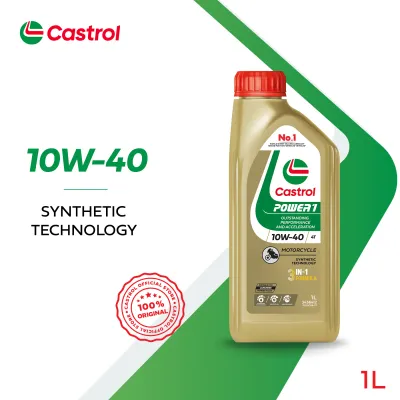
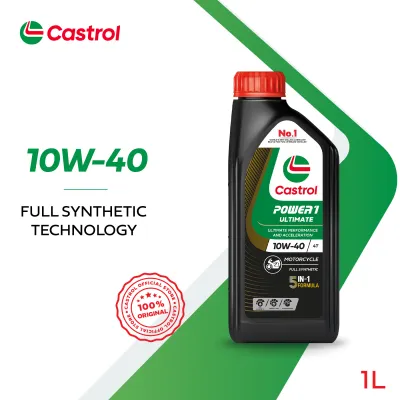
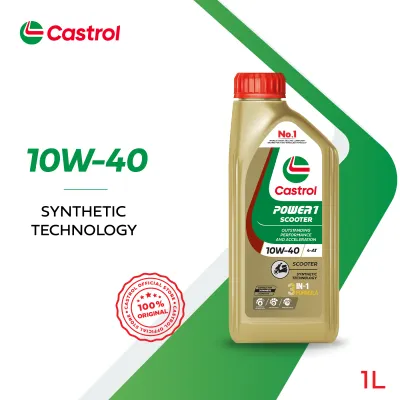
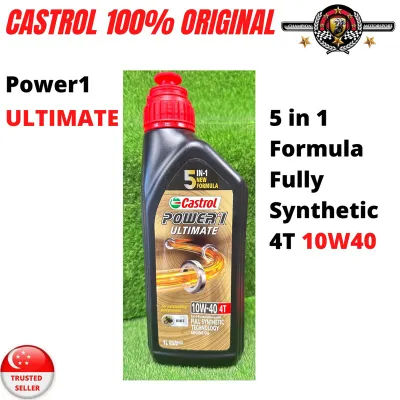
![[TWIN PACK] Castrol POWER1 ULTIMATE 4T 10W-40 (1L) Motorcycle Full Synthetic API SP JASO MA2](https://img.lazcdn.com/g/p/f764729b4d79cf52e77b76d49e4d78ec.jpg_400x400q80.jpg_.webp)
![[TWIN PACK] Castrol POWER1 4T 10W-40 (1L) Motorcycle Synthetic Technology API SP JASO MA2](https://img.lazcdn.com/g/p/304692cfde138b9d79f0458621b9567b.jpg_400x400q80.jpg_.webp)
Prices are valid at publication and may change. Please refer to the product page for the latest price.
Modern motor oils like 10W-40 are multi-grade lubricants designed to perform reliably across a wide temperature range. They are formulated using base oils blended with viscosity index improvers, which are polymer additives that expand as temperature rises. This expansion helps the oil resist thinning out too quickly at high temperatures while remaining fluid enough to flow freely when cold.
How to Verify If 10W-40 Matches Your Vehicle
To confirm whether 10W-40 is the correct oil for your car, always consult your vehicle owner’s manual first. The manual contains a dedicated maintenance section specifying the exact viscosity grades approved by the manufacturer for your specific engine model and year. Using a grade not listed in your manual can lead to inadequate lubrication, increased fuel consumption, or potential engine damage.

While Singapore’s tropical climate remains consistently warm throughout the year, eliminating the need for extreme sub-zero cold-start protection, you must still adhere strictly to the manufacturer’s guidelines. Some manufacturers recommend specific viscosity ranges based on ambient temperature, while others mandate a single grade regardless of local weather. Additionally, factors such as high mileage or engine wear might influence a mechanic’s recommendation, but these adjustments should never deviate from the approved ranges in the official vehicle documentation.
Beyond viscosity, you must match the industry certifications and OEM (Original Equipment Manufacturer) approval codes printed on the oil label with those required by your vehicle. Look for standards set by organizations such as the American Petroleum Institute (API) or the European Automobile Manufacturers’ Association (ACEA). These specifications ensure the oil contains the correct additive packages to protect your specific engine design, catalytic converters, and emissions systems.
Comparing 10W-40 with Other Common Viscosity Grades
When comparing 10W-40 to a lighter oil like 5W-30, the differences lie in both cold-start flow and high-temperature thickness. A 5W-30 oil flows more easily at cold temperatures and is thinner at operating temperatures than a 10W-40 oil. This lower resistance can improve fuel efficiency in modern engines designed for tight tolerances, whereas 10W-40 provides a thicker protective film that may be required for older or heavier-duty engines.
Comparing 10W-40 to 10W-30 reveals that while both share the same cold-start characteristics, they behave differently once the engine reaches operating temperature. The “40” grade remains thicker under high heat than the “30” grade, offering greater film strength under heavy loads or high-stress driving conditions. However, this added thickness also creates more internal drag, which can slightly reduce fuel economy if the engine was not engineered to use it.
It is a common misconception that a higher viscosity number always translates to superior engine protection. Modern engines are built with incredibly precise clearances that require thinner oils to flow properly through narrow oil passages. Using an oil that is too thick, such as substituting 10W-40 where a 0W-20 or 5W-30 is specified, can restrict oil flow, increase operating temperatures, and cause accelerated wear due to oil starvation.
Key Checks Before Purchasing a 10W-40 Motor Oil
Before purchasing a bottle of 10W-40, check the label to identify the base oil type, which can be fully synthetic, semi-synthetic, or mineral. Fully synthetic oils generally offer the highest thermal stability and resistance to breakdown, allowing for longer drain intervals, while semi-synthetics provide a balance of performance and cost. Ensure the selected type aligns with your manufacturer’s recommendations and your planned maintenance schedule.
Carefully inspect the back label of the container to verify that the oil carries the exact OEM approval codes required for your vehicle model. Many European, Asian, and American manufacturers have proprietary testing standards that an oil must pass to be officially approved. Simply matching the 10W-40 viscosity is not enough; the oil must also display the specific certification code listed in your owner’s manual.
Finally, examine the physical packaging of the oil before buying. Ensure the tamper-evident seal under the cap is intact and there are no signs of leakage or container damage. Check the batch code or manufacturing date printed on the bottle to ensure you are purchasing fresh stock, and always buy from reputable retailers or authorized distributors to avoid counterfeit products that could severely damage your engine.
Frequently Asked Questions (FAQ)
Can I mix 10W-40 with a different viscosity grade?
Mixing different viscosity grades is generally not recommended except in emergency situations where the oil level is critically low. Combining different grades can alter the overall viscosity and dilute the specific additive packages of each oil, potentially reducing lubrication efficiency. If you must top up with a different grade, change the oil and filter completely at the earliest opportunity.
Is 10W-40 suitable for high-mileage engines?
A 10W-40 oil may be suitable for certain high-mileage engines if the vehicle manufacturer lists it as an approved option. The slightly thicker hot viscosity can help seal clearances in worn engine components, potentially reducing oil consumption and minor leaks. However, you should always verify compatibility with your owner’s manual or consult a qualified mechanic before switching to a higher viscosity.
Does the brand matter if the viscosity and specifications match?
If two different brands of 10W-40 motor oil meet the exact same industry standards (such as API or ACEA) and carry the identical OEM approval codes for your vehicle, they will provide equivalent levels of protection. While different brands use proprietary additive formulations, the critical factor for engine safety and warranty compliance is matching the technical specifications rather than the brand name.

Community discussion
Share your experience or ask a question. Comments are reviewed before publication.