
Determining whether a premium branded microfiber cloth justifies its higher price over generic alternatives depends entirely on your specific detailing tasks, tolerance for paint marring, and maintenance habits. While premium options like a Trapo cloth offer consistent physical specifications, edgeless designs, and specific polyester-to-polyamide blends, generic microfiber cloths can perform basic tasks adequately at a fraction of the cost. The premium price is justified if you are working on soft clear coats where minor marring is a constant risk, or if you want to avoid the hassle of sorting through inconsistent bulk batches. For general utility tasks, wheels, or dirty engine bays, cheaper generic alternatives are often the more practical choice.
Without independent laboratory testing or verified performance data, it is impossible to declare an absolute winner based on brand name alone. Instead, the decision relies on verifying physical specifications—such as weight, weave, and edge treatment—and matching them to your vehicle’s surfaces. This guide provides a framework to evaluate both options objectively and choose the right tool for your car care routine.
Key Specifications to Verify Before Buying
To understand what separates a premium detailing cloth from a budget bulk option, you must look closely at the physical construction of the fabric. The most critical metric to check is the GSM, or grams per square meter, which measures the density and weight of the cloth. A lower GSM, typically between 200 and 300, indicates a thin, lightweight cloth that is highly suited for glass cleaning or light interior wiping but lacks the cushioning needed for delicate paintwork. Medium GSM cloths, ranging from 300 to 400, offer a balanced mix of absorbency and safety, making them the standard choice for general cleaning and wax removal. High GSM cloths, which exceed 400 and can go up to 600 or more, are thick and plush, providing maximum water absorption and a deep pile that safely traps dirt particles away from the paint surface.
Products mentioned in this guide
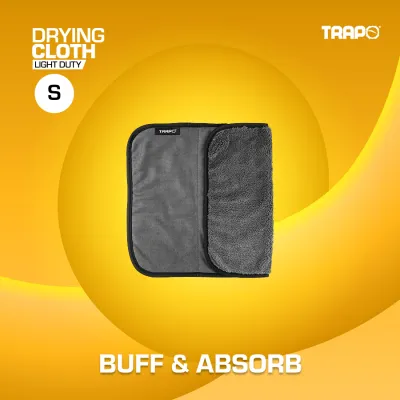
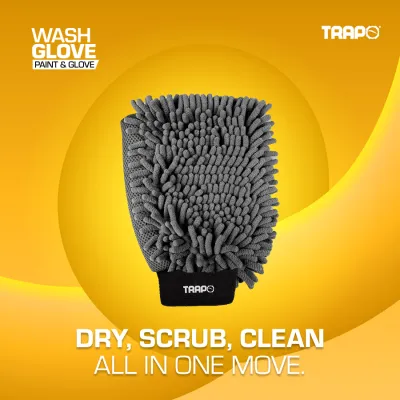
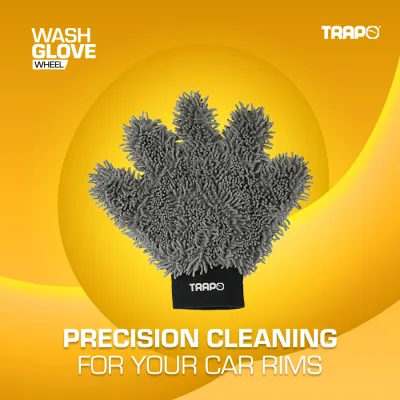
Prices are valid at publication and may change. Please refer to the product page for the latest price.
Beyond weight, the weave type determines how the cloth interacts with different surfaces. Waffle-weave cloths feature a distinct dimpled pattern that excels at trapping water on glass and glossy panels without leaving streaks. Plush weaves have long, open fibers that gently lift dust and wax residues, minimizing the friction that causes fine scratches. Twist-loop weaves utilize tightly twisted fibers to maximize surface area, allowing the cloth to absorb massive amounts of water during the drying phase.
The edge treatment of a microfiber cloth is another vital factor that directly impacts paint safety. Budget generic cloths often feature overlock stitched edges made with hard polyester thread, which can easily scratch soft clear coats if dragged under pressure. Premium options frequently use silk-banded edges, where a soft satin or silk border covers the stitching, or laser-cut edgeless designs that eliminate hard borders entirely. When detailing highly sensitive areas, choosing an edgeless cloth is a reliable way to prevent edge-induced marring.
Finally, always read the manufacturer’s label to check the material blend, which is expressed as a ratio of polyester to polyamide. Polyester provides the scrubbing structure, while polyamide provides softness and water absorbency. A standard utility cloth often uses an 80/20 blend, whereas premium detailing cloths typically feature a 70/30 blend, offering superior softness and water retention.
Matching the Cloth to Your Specific Detailing Tasks
Selecting the right microfiber cloth requires matching its physical characteristics to the specific task at hand, as using the wrong cloth can lead to poor results or surface damage. When drying the exterior of your vehicle, the primary goal is to remove water quickly while minimizing friction on the wet paint. A heavy, high-GSM twist-loop or plush drying towel is ideal for this task because it can hold several times its weight in water. Dragging a saturated, low-quality utility cloth across wet paint can trap residual dirt and drag it along the surface, creating fine swirl marks that dull the paint’s finish over time.

For interior dusting and wiping, the surfaces you encounter are often highly sensitive to scratching, such as clear plastic instrument clusters, touchscreens, and glossy piano black trim. A medium-GSM, edgeless plush cloth works best in these areas. The plush fibers generate a mild static charge that pulls dust away from the surface rather than pushing it around, while the lack of hard edges protects delicate screens from micro-scratches. Always verify that any interior cleaner or protectant you use is approved for the specific material before wiping.
Glass and mirror cleaning demand a completely different approach to avoid frustrating streaks and lint residue. High-pile plush cloths are poorly suited for glass because their long fibers tend to shed, leaving tiny lint particles behind that become highly visible in direct sunlight. Instead, use a low-pile or waffle-weave cloth designed specifically for glass. These tight, flat weaves glide smoothly across the glass surface, lifting oils and cleaning solutions cleanly away when paired with an approved glass cleaner.
Polishing and wax removal require a cloth that can grab and lift cured residues without marring the freshly polished paint underneath. A closed-loop or medium-pile edgeless cloth, typically around 300 to 350 GSM, provides the necessary bite to break up wax haze without being too aggressive. Using a cloth that is too plush can make it difficult to remove sticky residues, while a cloth that is too thin will quickly saturate with product and lose its effectiveness.
Evaluating Long-Term Value and Maintenance
When deciding between premium and generic options, calculating the true cost of ownership requires looking beyond the initial purchase price. A single premium cloth might cost S$10 to S$15, whereas a bulk pack of generic utility cloths might cost the same amount for ten pieces. However, if a premium cloth retains its softness, shape, and absorbency through dozens of wash cycles, its cost per use can actually be lower than a cheap alternative that stiffens and becomes unusable after just one or two washes.
Proper maintenance is essential to preserve the performance of any microfiber cloth, regardless of its price point. Microfiber is made of synthetic polymers that are highly sensitive to heat and chemicals. Always wash your cloths in cool or warm water, keeping the temperature below 40 degrees Celsius to prevent the fibers from melting. Use a dedicated microfiber wash or a mild liquid detergent that is completely free of dyes, perfumes, and fabric softeners. Fabric softeners are particularly damaging because they coat the synthetic fibers in a chemical layer, completely destroying their ability to absorb water and static dust.
Over time, even the highest-quality cloths will begin to degrade due to microscopic debris accumulation or gradual fiber wear. Signs of degradation include a noticeable loss of absorbency, fraying edges, or a stiff, rough texture when felt against dry skin. Once a cloth shows these signs, it must be retired from use on delicate exterior paint or sensitive interior screens to prevent scratching.
To maximize your investment, establish a clear downgrade pipeline for your cloths. Brand-new premium cloths should be reserved exclusively for delicate paintwork, polishing, and touchscreens. As they age and lose their pristine softness, downgrade them to interior plastics, leather seats, and door jambs. Finally, when they become stained or slightly rough, use them for heavy-duty tasks like cleaning wheels, exhaust tips, and engine bays before eventually discarding them.
How to Decide: A Conditional Buying Framework
Choosing between a premium branded cloth and a generic alternative comes down to your detailing priorities, budget, and willingness to manage your inventory. You should invest in the premium branded option if you are working on a vehicle with soft clear coat, prefer curated task-specific sets that eliminate guesswork, or value consistent quality control where every cloth in the pack meets exact specifications. The peace of mind that comes with guaranteed edgeless borders and high-quality 70/30 blends is often worth the extra cost for enthusiasts and professional detailers alike.
On the other hand, generic microfiber cloths are the more practical choice if you need a high volume of cloths for heavy-duty, dirty tasks where grease and oil will permanently ruin the fabric. They are also ideal if you are on a strict budget and are willing to manually inspect each cloth in a bulk pack, trimming away hard edges or loose threads yourself before they touch your car.
Before making any purchase, always verify the specifications. If a generic cloth lacks clear GSM or blend information on its packaging, or if a premium cloth does not specify its intended detailing use case, it is best to look for an alternative that provides full transparency. Matching the physical properties of the cloth to your specific detailing task is the most reliable way to ensure a safe, streak-free finish.
Frequently Asked Questions (FAQ)
Can I use the same microfiber cloth for both the exterior paint and the wheels?
No, you should never use the same microfiber cloth for both exterior paint and wheels. Wheels accumulate highly abrasive brake dust, iron particles, and road grit that can easily become embedded deep within the microfiber strands. Even after a thorough washing cycle, some of these sharp metallic particles may remain trapped in the fibers. If you subsequently use that cloth on your car’s exterior paint, those trapped particles will act like sandpaper, causing severe swirl marks and deep scratches. To prevent this cross-contamination, use a strict color-coding system—such as yellow cloths for paint and black or grey cloths for wheels—and wash these batches separately.
How do I properly wash microfiber cloths to maintain their performance?
To maintain the performance of your microfiber cloths, always wash them separately from other household fabrics, especially cotton towels, which shed lint that can clog the microfiber pores. Use warm water and a mild liquid detergent, ensuring you completely avoid fabric softeners, bleach, and powder detergents. Fabric softeners coat the synthetic fibers and ruin their absorbency, while bleach degrades the material over time. After washing, air dry the cloths in a clean, dust-free environment, or tumble dry them on a very low-heat setting. High heat must be avoided, as it can melt the synthetic fibers, causing them to become stiff and scratchy.

Community discussion
Share your experience or ask a question. Comments are reviewed before publication.