
Selecting the right car cleaning cloth depends entirely on matching the specific detailing task—washing, drying, or polishing—to the cloth’s physical structure, weave, and density. Using the wrong type of cloth can lead to micro-scratches, swirl marks, or poor product application on your vehicle’s delicate clear coat. By understanding how different microfiber designs interact with water, dirt, and chemical products, you can protect your car’s finish and achieve a professional-grade result at home.
Understanding Microfiber Cloth Specifications
To make an informed purchase, you must look past the color of a microfiber cloth and examine its technical specifications, which are typically found on the product packaging or manufacturer labels. The most critical metric to check is GSM, or grams per square meter, which measures the density and weight of the fabric. Generally, a lower GSM (around 200 to 300) indicates a thinner, less absorbent cloth suitable for glass or interior plastics, while a higher GSM (400 to 600 or more) indicates a thicker, plusher pile designed for delicate paintwork or heavy water absorption. Rather than guessing the thickness by feel, always verify the exact GSM rating printed on the label.
The weave of the microfiber also dictates its primary function. Different manufacturing techniques produce distinct structures, such as waffle weaves, plush piles, and twisted loops, each engineered to interact with moisture and debris in specific ways. For instance, a waffle weave features a recessed grid pattern that excels at trapping residual moisture without dragging, whereas a plush pile uses long, open fibers to gently lift loose particles away from a surface.
Products mentioned in this guide
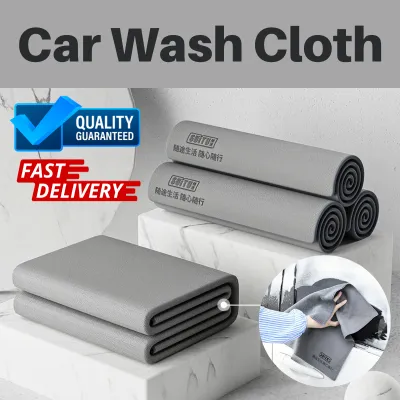
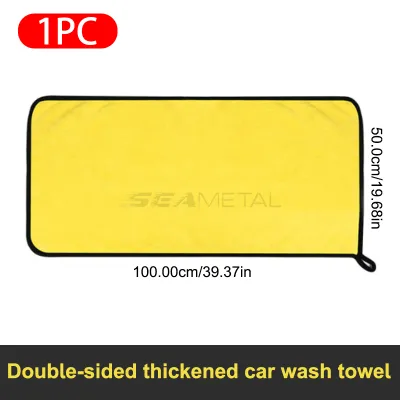
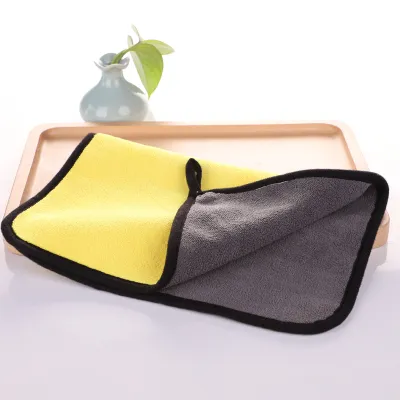
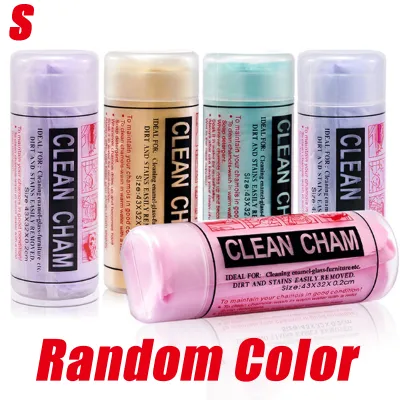
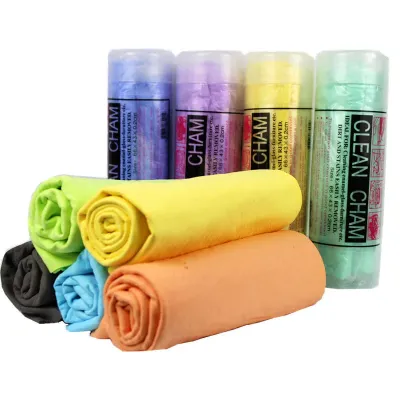
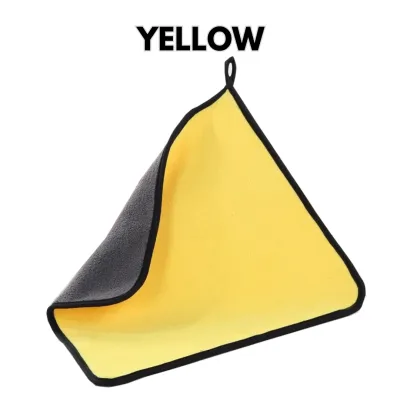
![[SG STOCKS] Disposable 20pcs/Box Microfiber Wash Cloth Multi-Use Kitchen Cleaning Towels High Absorption Cloth Car Cleaning Cloth](https://img.lazcdn.com/g/p/8902e02b86ad1852f6da3c689deb9dba.jpg_400x400q80.jpg_.webp)
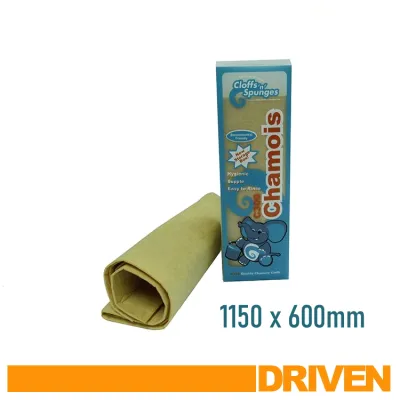
Prices are valid at publication and may change. Please refer to the product page for the latest price.
Additionally, pay close attention to the blend ratio of polyester and polyamide listed on the product tag. Microfiber is typically composed of these two synthetic materials, with common ratios being 80/20 or 70/30. Polyester provides the structural scrubbing power and durability, while polyamide adds softness and water-absorbing capacity. A higher polyamide content, such as a 70/30 blend, is generally preferred for delicate automotive paint because it offers superior softness and reduces the risk of friction-induced marring.
Selecting a Car Cleaning Cloth for Washing
When washing your vehicle, the primary goal is to lift abrasive road grime, dust, and mud off the paintwork without grinding those particles back into the clear coat. For this stage, you should select a deep-pile or plush-weave microfiber cloth or wash mitt. The long, loose fibers of a plush weave create a safe zone where dirt particles can migrate deep into the cloth, keeping them away from direct contact with the vehicle’s paint during the wiping motion.

Before purchasing, inspect the product description for explicit “scratch-free” or “wash-specific” designations. You should also examine the edges of the cloth, as rough, heat-cut polyester edges or stiff stitching can easily scratch soft clear coats. Look for cloths featuring edgeless designs or those finished with soft silk or microfiber banding. These premium edge treatments ensure that even if the border of the cloth presses firmly against the vehicle body, it will not leave fine scratches behind.
Even the highest-quality wash cloth cannot prevent scratches if improper washing techniques are used. Always pair your plush wash cloths with safe washing practices, such as the two-bucket method—one bucket for soapy water and one with a grit guard for rinsing the cloth. Pre-rinsing the vehicle to remove heavy mud before the cloth ever touches the paint further minimizes the risk of trapping large, abrasive particles in the fibers.
Selecting a Car Cleaning Cloth for Drying
Drying is the stage where water spots and swirl marks are most commonly introduced, making the choice of drying cloth highly critical. To dry a vehicle safely and efficiently, you need a cloth designed specifically for high-capacity water absorption. Look for structural weaves like twisted loop or waffle weaves, which are engineered to pull water away from the surface and hold it within the fabric structure. Twisted loop weaves feature long, densely packed loops of fiber that rapidly wick away moisture, allowing you to dry large sections of the vehicle in a single pass.
The size of the drying cloth is another important factor to consider. While a very large towel can absorb more total water, it can also become heavy, unwieldy, and prone to dragging on the ground when wet. Assess your vehicle’s overall surface area to find a manageable balance; a medium-to-large towel is often sufficient for standard sedans, while larger SUVs may require multiple towels or a single high-capacity twisted loop sheet.
Before you begin drying, verify the manufacturer’s stated absorbency capacity and ensure the cloth is completely clean and free of dry debris. Any dust or grit trapped in a drying towel from a previous use will act like sandpaper when dragged across the dry paint. To prevent water-spotting, work in a shaded area out of direct sunlight, and gently glide the clean towel across the panels rather than applying heavy downward pressure.
Selecting a Car Cleaning Cloth for Polishing and Waxing
Applying and removing polishes, glazes, waxes, or ceramic sealants requires a completely different cloth structure than washing or drying. For these tasks, you should look for low-lint, short-pile microfiber cloths or specific finishing weaves. A short-pile cloth provides the necessary bite to break open dried wax haze or polish residue, allowing you to buff the surface to a high shine without leaving behind loose lint or causing product buildup within the fibers.
Cross-contamination is a major risk during the polishing stage. If a cloth previously used for washing or drying is introduced to the polishing process, any residual chemicals, soaps, or microscopic grit can ruin the finish or interfere with the bonding of the wax or sealant. Always dedicate a set of freshly laundered, pristine cloths exclusively for polishing and waxing, keeping them completely separate from your utility and wash towels.
Before applying a polishing cloth to your vehicle’s paint, perform a thorough physical inspection. Run your fingers along the surface and edges of the cloth to check for any trapped debris, hardened polish residue from previous detailings, or stiffened fibers. If the cloth feels rough or contains embedded particles that cannot be easily removed, set it aside and use a fresh one to avoid scratching the freshly polished clear coat.
Cross-Task Compatibility and Cloth Maintenance
To maintain the safety and performance of your car cleaning cloths, you must establish a strict system of task separation and proper maintenance. Sharing cloths across different detailing stages is highly discouraged. A towel used to clean greasy door jambs or wheels should never be used on your vehicle’s hood or doors, as even thorough washing may not completely remove heavy grease, brake dust, or abrasive metal particles. Color-coding your cloths by task is an excellent way to prevent accidental cross-contamination.
Proper laundering is essential to preserve the delicate synthetic fibers of microfiber. Always wash your microfiber cloths separately from cotton towels, t-shirts, or household laundry. Cotton sheds lint excessively, which will clog the microscopic split fibers of your microfiber, rendering them far less effective. Use a dedicated microfiber detergent or a mild, liquid detergent free of perfumes and dyes, and never use fabric softeners or bleach, as these chemicals coat the fibers and destroy their natural absorbency.
When drying your microfiber cloths, check the care labels for temperature limits. High heat can easily melt the delicate polyester and polyamide fibers, turning a soft towel into a scratchy, unusable piece of plastic. Air drying in a clean, dust-free environment is the safest method, but if you use a machine dryer, select a low-heat or no-heat setting.
Finally, establish clear stopping conditions for when a cloth must be retired from paintwork. If a cloth has dropped on the ground, has visible embedded grit that does not wash out, feels stiff or scratchy to the touch, or has lost its water absorbency, it must be removed from your paint-care rotation immediately. These retired cloths do not need to be thrown away; instead, downgrade them to less sensitive tasks like cleaning engine bays, exhaust tips, or tires.
Frequently Asked Questions (FAQ)
Can I use household microfiber cloths for car detailing?
While generic household microfiber cloths are highly convenient, they are generally not recommended for automotive paintwork. Household cloths often feature a lower GSM, a rougher polyester-to-polyamide blend, and stitched edges made of hard polyester thread that can easily scratch delicate clear coats. If you must use household cloths, restrict their use to non-painted surfaces such as interior plastics, vinyl trim, or wheels, and avoid using them on the exterior paint unless the manufacturer explicitly certifies them as safe for automotive clear coats.
How do I know when it is time to replace my microfiber cloths?
You can determine when to replace or downgrade a microfiber cloth through a few simple physical checks. Inspect the cloth for a stiff, rough texture, lingering chemical odors that persist after washing, or a noticeable reduction in water absorption. If the cloth leaves streaks or fails to wick moisture during drying, the fibers may be clogged or melted. Additionally, if you observe any embedded grit, metal shavings, or dirt that remains trapped in the pile after a wash cycle, immediately retire the cloth from paint contact to prevent scratching.
Community discussion
Share your experience or ask a question. Comments are reviewed before publication.