
Selecting the right car bumper protector is not about finding a single, universally superior product. Instead, the ideal choice depends entirely on your specific driving environment, aesthetic preferences, and the level of physical threat your vehicle faces daily. Whether you are navigating tight multi-storey car parks where concrete pillars pose a constant scraping hazard, or driving on expressways where loose gravel threatens your paintwork, different materials serve distinct protective roles.
The three primary options dominating the market today are Thermoplastic Polyurethane (TPU), Polypropylene (PP), and vinyl. Each material offers a unique balance of flexibility, impact resistance, and visual appeal. By understanding how these materials perform under real-world conditions, you can make an informed decision that preserves your vehicle’s exterior finish and long-term value.
Understanding the Core Materials: TPU, PP, and Vinyl
To make an educated choice, it is essential to understand the physical properties that define these three distinct materials. Thermoplastic Polyurethane, commonly known as TPU, is a highly flexible, elastomeric polymer. Because of its elastic nature, TPU can stretch and conform to complex curves, making it the standard material for high-quality paint protection films. It is naturally transparent, allowing your vehicle’s original paint color to shine through without alteration, and it often possesses self-healing properties where minor surface swirls can dissipate when exposed to heat.
Products mentioned in this guide
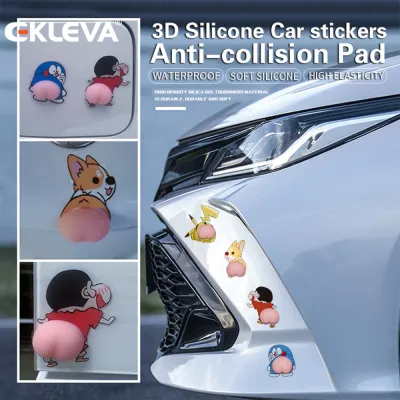
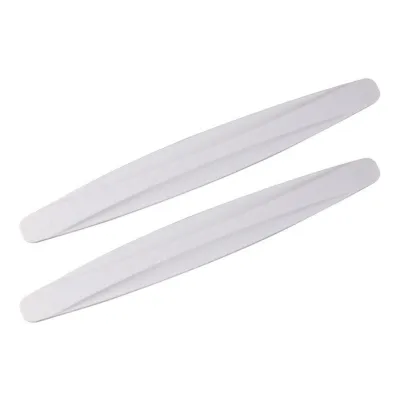
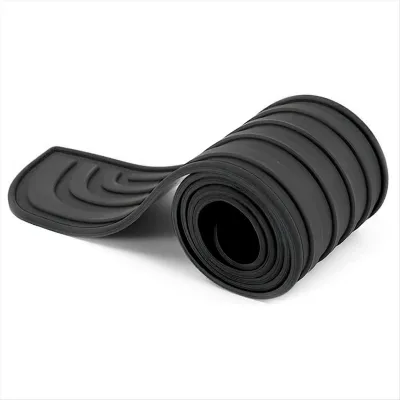
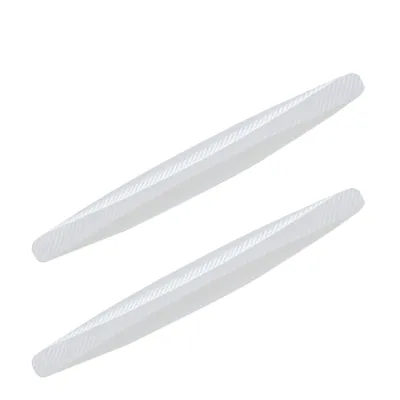
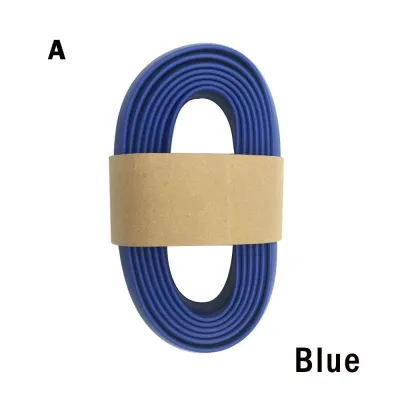
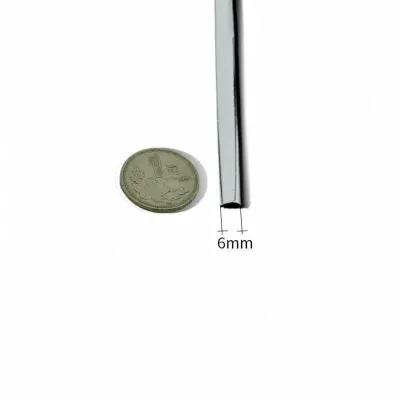
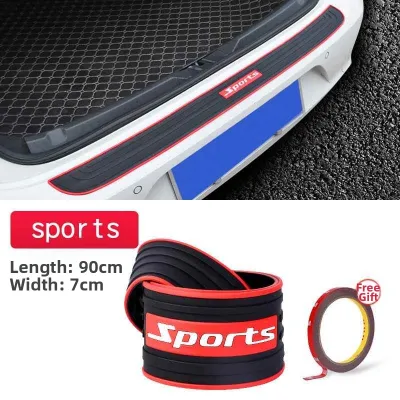
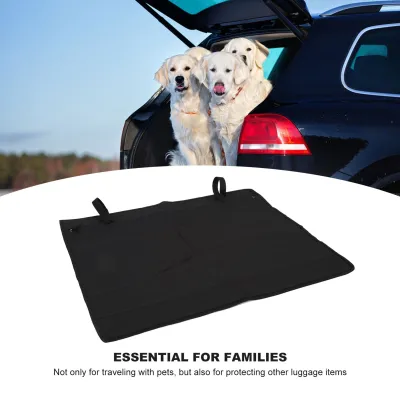
Prices are valid at publication and may change. Please refer to the product page for the latest price.
Polypropylene, or PP, represents the opposite end of the structural spectrum. This is a rigid or semi-rigid thermoplastic polymer that is molded into solid, physical guards. Unlike thin films, PP bumper protectors are substantial, hard-shell barriers designed to absorb and deflect direct physical impacts. You will typically find PP used in heavy-duty bumper guards, rear bumper step plates, or front lip protectors. These guards are designed to take the brunt of low-speed parking bumps and shopping trolley impacts, acting as a sacrificial barrier that prevents structural damage to the underlying bumper.
Vinyl, or polyvinyl chloride, is a versatile, thin film that has historically been used for vehicle wraps, decals, and cosmetic styling. While vinyl can be applied across entire body panels to change a vehicle’s color or finish, its protective capabilities are secondary to its aesthetic utility. It is significantly thinner and less elastic than TPU, meaning it does not absorb impacts in the same manner. However, it remains a popular option for drivers who want to combine light surface protection with a customized look, such as a matte black or carbon-fibre finish on the upper surface of the rear bumper.
When shopping for a car bumper protector, you must verify the exact material composition on the product label or manufacturer specification sheet. Marketing terms can sometimes be misleading, with some brands labeling basic vinyl or low-grade plastics with terms that mimic high-end polymers. Always confirm whether a film is genuine TPU or a less durable vinyl blend, and ensure that any rigid guard is indeed high-impact Polypropylene rather than a brittle alternative that could shatter upon impact.
Comparing Protection, Durability, and Visual Impact
Evaluating how these materials perform across key categories—protection, durability, and visual impact—reveals the distinct trade-offs inherent in each option.

Scratch and Impact Resistance
The physical mechanism of protection varies dramatically between these materials. TPU relies on its elastomeric flexibility to absorb and dissipate kinetic energy. When a stone chip or minor road debris strikes a TPU film, the material stretches and rebounds, preventing the object from penetrating through to the paint. This makes TPU exceptionally effective at preventing stone chips, road rash, and fine scratches.
In contrast, rigid PP guards rely on hard-shell deflection. A PP protector does not stretch; instead, its rigid structure distributes the force of a localized impact across a wider area, preventing the bumper itself from denting or cracking. This makes PP the more suitable choice for low-speed parking scrapes and heavy cargo loading. Vinyl, being thin and relatively brittle compared to TPU, offers minimal impact resistance. It can shield your paint from light fingernail scratches around the boot handle or minor scuffs from grocery bags, but it will easily tear under the force of a stone chip or parking scrape.
Weathering and UV Stability
Intense sunlight, high UV exposure, and frequent heavy downpours present a harsh environment for exterior automotive accessories. Under these conditions, material degradation is a significant concern. High-quality TPU formulations often include advanced UV inhibitors that resist yellowing and cracking over years of sun exposure. However, lower-grade TPU or poorly formulated films can still degrade prematurely.
Rigid PP is highly resistant to moisture and chemical exposure, but prolonged UV exposure can cause untreated polypropylene to fade, turn grey, or become brittle. When choosing a PP guard, look for products that specify UV-stabilized materials or feature a protective outer coating. Vinyl is particularly sensitive to heat and UV radiation; over time, intense sun exposure can dry out the plasticizers in vinyl, leading to shrinkage, edge lifting, and cracking. Drivers should always check the manufacturer’s documentation for specific UV-resistance ratings and adhesive warranties.
Visual Impact
The aesthetic outcome of your choice is another critical factor. If your goal is to maintain the pristine, original look of your vehicle without altering its appearance, clear TPU is the ideal option. Once professionally installed, high-grade TPU is virtually invisible, preserving the gloss and color depth of your factory paint.
PP guards, on the other hand, are highly visible additions. They add physical bulk and often come in textured black, matte, or painted finishes that alter the vehicle’s silhouette. While some drivers appreciate the rugged, utility-focused look of a prominent bumper guard, others may find it disrupts the clean lines of a modern sedan or luxury vehicle. Vinyl offers the greatest creative freedom, allowing you to choose from various colors, metallic finishes, or textured patterns like carbon fibre. This makes vinyl ideal for drivers who view a bumper protector as an opportunity for personalization rather than just a utility.
Installation, Maintenance, and Removal Considerations
Before purchasing any car bumper protector, you must consider the practicalities of putting it on, keeping it clean, and eventually taking it off.
Installation Complexity
Applying a flexible film like TPU or vinyl to a modern bumper is a highly technical process. Bumpers feature complex curves, recesses, and sensor cutouts that require precise heat-stretching, squeegee techniques, and wet-slip solutions to install without bubbles, wrinkles, or lift. For these materials, professional installation is highly recommended to ensure a seamless fit and to avoid damaging the paint with installation blades.
Conversely, rigid PP guards are generally much simpler to install. Many PP protectors are designed as vehicle-specific molded parts that attach using pre-applied automotive-grade double-sided acrylic foam tape or existing factory mounting points. While some heavy-duty PP guards may require minor drilling or mechanical fastening, many can be safely installed at home by carefully following the manufacturer’s alignment instructions. Always verify your vehicle’s specific model year and bumper dimensions before purchase, as rigid guards have zero flexibility to accommodate fitment discrepancies.
Cleaning and Care
Maintaining your bumper protector requires adhering strictly to manufacturer-approved cleaning methods. For TPU and vinyl films, you must avoid abrasive automatic car washes, stiff-bristled brushes, and high-pressure sprayers held too close to the film edges, as these can cause the edges to lift or tear. Use only pH-neutral car shampoos and soft microfiber wash mitts. Harsh chemical solvents, degreasers, or abrasive polishes can permanently mar the surface of TPU or strip the protective topcoat of vinyl. Rigid PP guards are generally more forgiving of standard washing techniques, but they can still accumulate wax residue in their textured surfaces, which can be difficult to remove. Always refer to the product label for authorized cleaning agents.
Removal Risks
Eventually, any bumper protector may need to be removed due to wear, damage, or vehicle sale. Safe removal depends heavily on the quality of the adhesive used, the duration of exposure, and the condition of the underlying paint. High-quality TPU and vinyl films are designed to be removable using controlled heat (such as a heat gun or steamer) to soften the adhesive, allowing the film to be peeled back slowly at an acute angle.
However, if the protector is applied over aftermarket paint, or if the original factory paint was already chipped or damaged, there is a risk of pulling the clear coat or paint off during removal. For rigid PP guards attached with heavy-duty acrylic tape, removal requires carefully slicing through the foam core of the tape with fishing line or a specialized removal tool, followed by chemical adhesive removers to clean the residue. If you are uncertain about the condition of your paint or if the protector has been exposed to extreme heat for years, consult a professional detailer to perform the removal safely.
How to Choose the Right Bumper Protector for Your Vehicle
To select the ideal material for your car, use this conditional decision framework based on your driving habits, budget, and aesthetic goals.
Choose TPU if:
- Your primary goal is high-level, invisible protection against road debris, stone chips, and minor scratches.
- You want to preserve the exact factory paint finish and color of your vehicle.
- You are willing to invest in professional installation to ensure a flawless, long-lasting application on complex bumper curves.
- You prefer a self-healing surface that maintains its optical clarity over time.
Choose PP if:
- You frequently park in tight public car parks, parallel park on busy streets, or load heavy cargo, strollers, or sports equipment into your boot.
- You require a physical, rigid barrier capable of absorbing and deflecting direct impacts from low-speed bumps.
- You prefer a straightforward, DIY-friendly installation process using pre-applied adhesive tape or mechanical fasteners.
- You do not mind altering the visual profile of your bumper with a textured or solid guard.
Choose Vinyl if:
- Your main objective is cosmetic customization, such as adding a carbon-fibre accent or a contrasting color to your bumper.
- You only require light protection against minor surface scuffs, dust, and fingernail scratches.
- You are working within a tighter budget and want an affordable way to refresh your vehicle's exterior appearance.
- You plan to change the look of your vehicle frequently and want a material that is relatively easy to swap out.
Verify Before You Buy
Regardless of the material you choose, always perform a thorough compatibility check before making a purchase. Verify that the protector is designed specifically for your vehicle’s make, model, and exact model year, taking into account any factory body kits or trim packages. Check that the installation of the protector does not obstruct parking sensors, cameras, or safety features integrated into your bumper. Finally, review the manufacturer’s warranty terms, paying close attention to what is covered regarding adhesive failure, yellowing, or material degradation under high-UV conditions.
Frequently Asked Questions (FAQ)
Will removing a bumper protector damage my car's original paint?
Safe removal of any adhesive-backed bumper protector depends on the quality of the adhesive, the condition of the original paint, and the removal technique. Factory-baked paint finishes are highly durable and generally withstand safe removal processes. However, if the vehicle has undergone aftermarket respraying, or if the paint already has micro-cracks or chips, the adhesive may pull the paint away from the primer. Always use the manufacturer’s recommended heat levels and adhesive-dissolving agents during removal. If you observe any signs of paint lifting, cracking, or peeling, stop immediately and consult a professional automotive detailer.
How often should I replace my car bumper protector?
Rather than relying on a strict timeline, you should replace your bumper protector based on observable signs of wear and material degradation. Inspect the protector regularly for physical indicators of failure, such as deep cracks, severe yellowing that compromises optical clarity, lifting edges that collect dirt, or a buildup of degraded adhesive residue. Rigid PP guards should be replaced immediately if they crack or deform, as they can no longer safely absorb subsequent impacts. Clear TPU and vinyl films should be replaced when they lose their elasticity, become brittle, or show permanent staining that cannot be cleaned with authorized products.

Community discussion
Share your experience or ask a question. Comments are reviewed before publication.