
Finding the right sunshade for a Toyota Alphard requires moving away from generic, one-size-fits-all accessories. Because of the Alphard’s distinctively large, steeply raked front windshield and expansive side glass, standard retail sunshades leave significant gaps that let in intense tropical heat and damaging ultraviolet rays. To protect the premium leather upholstery, dashboard electronics, and overall cabin comfort of this luxury multi-purpose vehicle (MPV), you must look for custom-fit options tailored to your vehicle’s exact generation.
A proper sunshade setup acts as a thermal barrier, keeping the spacious cabin cool when parked under the direct sun. Achieving this level of protection involves evaluating multi-layer reflective materials, understanding the structural demands of oversized glass panels, and selecting the right mounting mechanisms for both the front windshield and the rear passenger compartments.
Understanding the Alphard's Unique Window Dimensions
The Toyota Alphard is celebrated for its commanding road presence and spacious interior, both of which are made possible by its tall cabin design and expansive glass house. However, this architectural design presents a major challenge when it comes to solar heat management. The front windshield of the Alphard is exceptionally wide and deep, sloping at an angle that exposes a massive surface area to direct sunlight. Standard sedans and even typical sport utility vehicles (SUVs) have windshields that are significantly smaller, meaning off-the-shelf sunshades will simply fall short.
Products mentioned in this guide
Prices are valid at publication and may change. Please refer to the product page for the latest price.
When you attempt to use a universal or semi-custom sunshade in an Alphard, you will quickly notice substantial gaps around the edges, particularly near the A-pillars and the rearview mirror housing. These gaps do more than just let in visible light; they create thermal bridges. Solar radiation passes through the unprotected glass, heating up the dark dashboard material, which then acts as a radiator, warming the entire cabin. Furthermore, because the Alphard’s side windows are tall and rectangular to provide passengers with panoramic views, generic suction-cup shades rarely cover the entire surface, leaving rear passengers exposed to glare and heat.
To avoid these issues, you must identify the exact model year and generation of your vehicle before shopping. The Alphard has evolved through several generations—most notably the second-generation AH20, the highly popular third-generation AH30, and the latest fourth-generation AH40. Each generation features distinct changes in window geometry, rearview mirror sensor consoles, and A-pillar quarter glass designs. A sunshade template designed for an AH30 will not fit the windshield of an AH40 perfectly, as the newer model features updated sensor housings and slightly altered glass angles. Knowing your specific chassis code ensures that the custom template you select matches the exact contours of your glass.
Key Features to Look for in Custom-Fit Sunshades
When evaluating custom-fit sunshades for an MPV of this scale, material composition is the most critical factor governing heat rejection. Look for multi-layer construction that incorporates a highly reflective outer layer, such as a metallic or aluminum foil laminate, which bounces solar radiation away from the vehicle. Beneath this reflective surface, high-quality shades utilize a thermal barrier layer—often made of closed-cell foam or polyester fiber—to prevent heat from transferring through the shade into the cabin. A soft inner lining, typically felt or non-abrasive fabric, completes the structure, protecting your dashboard from scratches during installation and removal.

Structural rigidity is another essential feature, especially given the sheer physical size of the Alphard’s windshield. A flimsy sunshade will inevitably sag under its own weight when exposed to high cabin temperatures, creating a pocket of hot air and allowing sunlight to bypass the barrier. To prevent this, premium custom shades are engineered with a stiff inner core or a high-tensile spring steel frame. This built-in support ensures the shade remains taut and flush against the glass, maintaining its shape over years of daily use in demanding tropical climates.
Pay close attention to the quality of the edge sealing and binding. The perimeter of the sunshade undergoes constant friction as it is wedged against the A-pillars, headliner, and dashboard. Look for double-stitched fabric binding rather than simple heat-sealed edges, as heat-sealing can degrade and split when exposed to extreme heat over time. Robust edge binding not only prevents the internal layers from fraying or separating but also provides a soft, non-marring contact point that will not scuff your vehicle’s interior pillars or headliner fabric.
Types of Sunshades for Front and Side Windows
For the front windshield, custom-fit rigid foldable shades are generally the most effective option for heat rejection. These shades are constructed from thick, multi-layered panels that fold accordion-style. Because of their rigid core, they offer unmatched coverage and sit perfectly flush against the glass, supported by the vehicle’s sun visors. The primary trade-off with rigid foldable shades is their storage size; when folded, they remain relatively long and can be cumbersome to store in the cabin when passengers are present. However, for maximum thermal protection during long parking sessions in open-air car parks, their performance is difficult to match.
For the side passenger windows, retractable or roller blinds offer an elegant, integrated solution. These shades are often mounted directly to the door panels or window frames, allowing passengers to pull them up or down as needed. Retractable blinds provide excellent convenience, as they do not need to be removed and stored in the boot when not in use. They offer immediate privacy and glare reduction for rear passengers, though they may not block out 100% of the light at the very edges of the window frame due to the clearance needed for the roller mechanism.
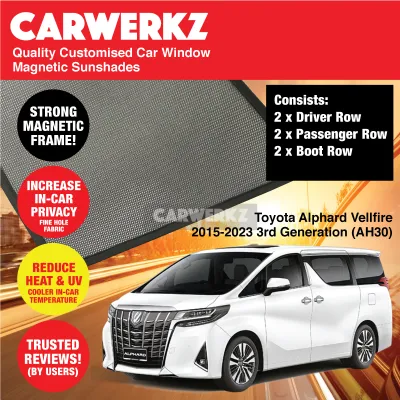
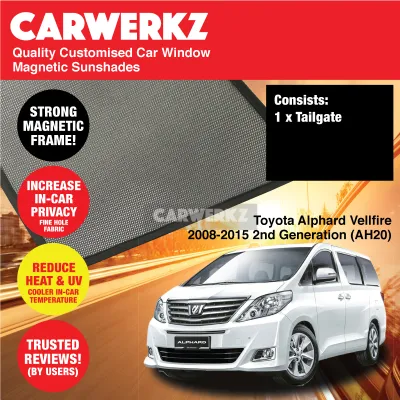
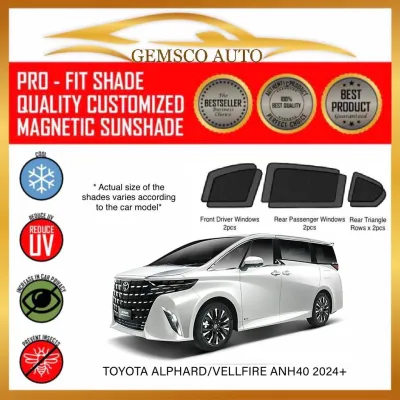
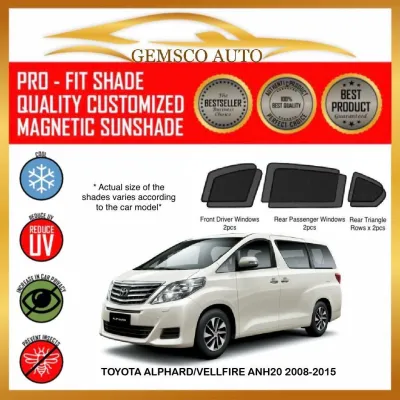
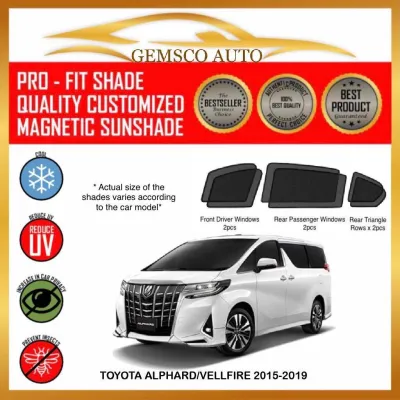
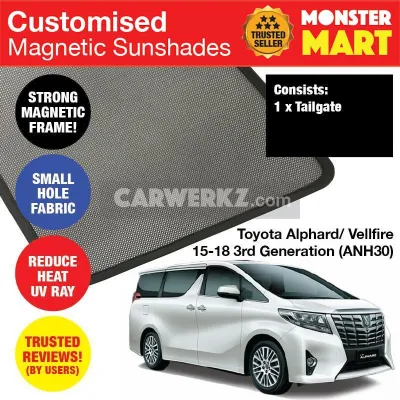
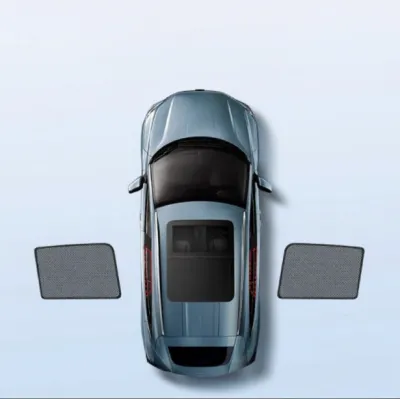
Another popular option for side windows is the magnetic or static-cling mesh shade. Magnetic shades feature a flexible metal frame sewn into the fabric edge, which clings securely to the exposed metal frame of the Alphard’s doors. This design allows for incredibly quick installation and removal without any permanent modifications to the vehicle. While mesh shades are excellent for reducing glare and maintaining visibility while driving, they do not offer the same level of thermal insulation as solid, reflective front shades. They are best used in combination with a high-quality front windshield shade to create a comprehensive cabin protection system.
How to Verify Fitment and Coverage Before Buying
Before finalizing your purchase on any online marketplace or specialty automotive site, you must perform a thorough compatibility check. Start by cross-referencing the manufacturer’s product listing with your vehicle’s log card details, specifically checking the manufacture year and chassis prefix (such as AH30 or AH40). Many manufacturers categorize their products by generation, so ensuring your vehicle matches the exact range specified in the listing is the first step to avoiding fitment issues. If the listing is vague or groups multiple generations together, contact the seller directly to confirm the exact dimensions.
Next, analyze customer feedback and product reviews with a critical eye. Look specifically for comments from other Alphard owners who discuss the edge-to-edge coverage of the shade. Pay attention to any mentions of “light leaks” around the rearview mirror console or the small quarter-windows near the A-pillars. If multiple buyers note that the shade sags in the middle or leaves a gap at the bottom of the windshield, it is a strong indicator that the template is not truly custom-fit or lacks the necessary structural rigidity for the Alphard’s large glass area.
Finally, always verify the seller’s return and exchange policies before committing to a purchase. Because of the unique dimensions of the Alphard’s windows, even a minor manufacturing variance can result in a shade that is too tight to install or too loose to stay in place. Ensure that the seller offers a straightforward return process or a fitment guarantee, allowing you to test the shade in your vehicle upon delivery and exchange it if the coverage does not meet your expectations.
Installation, Care, and Storage Tips for Large Sunshades
Proper handling is key to preserving the life of an oversized sunshade. When installing a rigid front windshield shade, gently slide the bottom edge along the dashboard first, taking care not to force it against the delicate plastic trim or head-up display projector if your Alphard is equipped with one. Once the bottom is positioned, lift the top section into place and lower your vehicle’s sun visors to secure it. When removing the shade, fold it carefully along its pre-creased lines; forcing a rigid shade into an unnatural shape can crack the internal thermal barrier, permanently reducing its effectiveness and causing it to sag in the future.
To clean your sunshades, avoid using harsh household detergents, bleach, or abrasive scrubbing pads, which can strip away the reflective metallic coating. Instead, wipe the surfaces down with a soft microfiber cloth dampened with clean water or a mild, diluted soap solution. Allow the shade to air dry completely in a shaded area before folding and storing it. Storing a damp sunshade in a closed vehicle can lead to mold and mildew growth, which can ruin the fabric lining and create unpleasant odors inside your luxury cabin.
Safety must always be your top priority when positioning sunshades. Ensure that the shade does not press against or obstruct the forward-facing safety cameras, rain sensors, or automatic high-beam sensors mounted behind the rearview mirror. Additionally, never place loose, heavy sunshades on the dashboard or passenger seats while driving, as they can become dangerous projectiles in the event of a sudden stop. Always store folded shades securely in the boot, the under-floor storage compartment, or the seatback pockets to keep the cabin safe and clutter-free.
Frequently Asked Questions (FAQ)
Do I need separate sunshades for the front windshield and side windows?
Yes, using separate, specialized shades for the front and side windows is highly recommended for complete cabin protection. The front windshield is the primary source of heat entry due to its massive size and angle, making a heavy-duty, reflective shade essential when parked. However, the Alphard’s large side windows also let in significant solar heat and glare, especially for passengers in the second and third rows. Combining a reflective front shade with custom-fit magnetic mesh side shades ensures comprehensive thermal insulation and privacy throughout the entire cabin.
Will a custom-fit sunshade interfere with my Alphard's rain sensors or cameras?
A high-quality, precisely engineered custom-fit sunshade will not interfere with your vehicle’s safety systems. Reputable manufacturers design their templates with a specific cutout or clearance zone around the rearview mirror console to accommodate the Toyota Safety Sense camera housing and rain sensors. When installing the shade, ensure it slides neatly behind the mirror assembly without putting pressure on the sensor housing, which preserves the calibration and functionality of these critical driver-assist systems.
How can I prevent large sunshades from scratching my window tint?
To protect your aftermarket window tint from scratches, inspect the edges of your sunshades regularly for any exposed metal frames, rough stitching, or sharp plastic components. When installing or removing the shades, avoid dragging them roughly across the glass surface. Instead, lift and place them carefully. Choosing shades with soft fabric borders or double-stitched edge binding provides an extra layer of protection, ensuring the shade slides smoothly against the tinted film without causing micro-scratches or peeling.

Community discussion
Share your experience or ask a question. Comments are reviewed before publication.