
Truly pH-neutral cleaners are highly safe and widely recommended for cleaning Tesla’s vegan leather seats. These modern synthetic seats are made from a high-grade polyurethane material that is engineered for durability, stain resistance, and comfort. However, unlike traditional animal hides, synthetic leather relies on a delicate factory-applied topcoat to maintain its matte finish and resist environmental damage. Using a cleaner with a neutral pH of approximately 7 ensures that you can lift surface dirt, body oils, and dust without chemically degrading this protective barrier or causing premature wear.
Understanding Tesla Vegan Leather and Cleaner Chemistry
To understand why pH levels are so critical, it is helpful to look at the composition of Tesla’s seating material. Often referred to as vegan leather, this material is primarily composed of polyurethane layers bonded to a fabric backing. This synthetic structure is inherently non-porous, meaning it does not absorb conditioning oils the way traditional leather does. Instead, its longevity depends entirely on preserving the integrity of its outer polyurethane layer, which is formulated to withstand daily friction and UV exposure.
The pH scale measures how acidic or alkaline a water-based solution is, ranging from 0 to 14. A value of 7 is considered completely neutral, representing the balance found in pure water. When a cleaning solution deviates too far from this neutral midpoint, it becomes chemically aggressive. Highly acidic cleaners can slowly etch the synthetic surface, while highly alkaline cleaners can strip away the protective topcoat, leaving the underlying material vulnerable to cracking and peeling.
Products mentioned in this guide
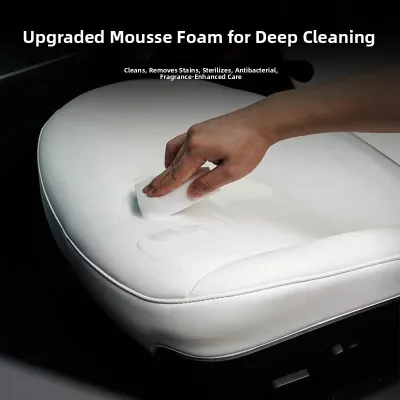
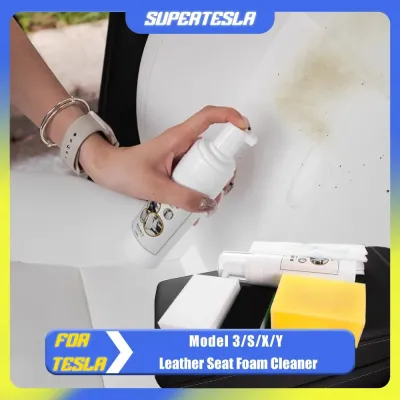
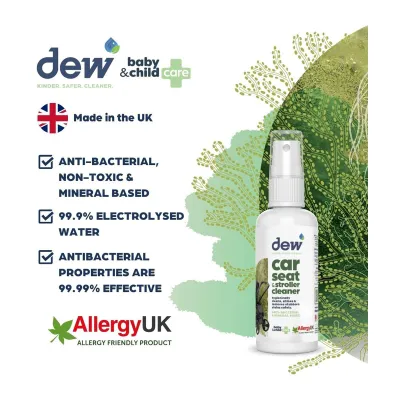
Prices are valid at publication and may change. Please refer to the product page for the latest price.
In tropical climates like Singapore, where high humidity and intense sunlight are constant factors, preserving this protective topcoat is even more critical. When the polyurethane layer is compromised by harsh chemicals, the material becomes highly susceptible to thermal degradation and UV damage. Furthermore, a stripped topcoat allows clothing dyes, sweat, and sunscreen to penetrate deep into the synthetic fibers, leading to permanent discoloration that cannot be cleaned off. Using a verified pH-neutral cleaner prevents this chemical breakdown, ensuring the seats remain supple and resilient.
How to Verify if a Tesla Seat Cleaner is Truly pH-Neutral
Identifying a genuinely pH-neutral cleaner requires looking past front-label marketing claims. Many products use vague terms like “gentle,” “natural,” or “eco-friendly” without actually maintaining a neutral chemical balance. To verify a product’s true chemistry, the most reliable method is to consult its Safety Data Sheet or technical data sheet, which reputable automotive detailing manufacturers publish online. Within these documents, Section 9 typically lists the exact physical and chemical properties, including the precise pH value, which should ideally fall between 6.5 and 7.5.

Another critical step is to choose automotive-specific interior formulations rather than household multi-purpose cleaners. Household cleaners are often formulated to tackle tough kitchen grease or bathroom grime, meaning they frequently contain highly alkaline surfactants, sodium hydroxide, or ammonia. While these ingredients are highly effective on hard, non-porous household surfaces, they are far too aggressive for the delicate polyurethane coatings used in modern vehicle cabins.
When shopping for a tesla seat cleaner, look for explicit compatibility statements on the packaging. Safe products will often state that they are formulated for “synthetic leather,” “vegan leather,” “polyurethane,” or “modern interior plastics.” If a product label only mentions traditional leather and does not explicitly cover synthetic alternatives, it may contain oils or conditioners that cannot penetrate polyurethane, leaving a greasy, dust-attracting residue on your seats.
Step-by-Step Safe Cleaning Process for Tesla Seats
Before beginning any cleaning routine, always consult the official Tesla Owner’s Manual for your specific model and year. Tesla’s official documentation provides the primary baseline for interior care, often recommending a soft cloth dampened with water and a mild, non-detergent soap for basic cleaning. Deferring to the manufacturer’s official guidelines is essential to ensure you do not inadvertently perform maintenance that could void your vehicle’s interior warranty.
Once you have selected a verified pH-neutral cleaner, always perform a localized spot test before applying it to the entire seat. Choose an inconspicuous area of the cabin, such as the lower side of the seat cushion near the plastic trim or the back of a rear headrest. Apply a single drop of the cleaner to a clean, white microfiber cloth and gently wipe the test area. Wait several minutes to allow the area to dry completely, then inspect the cloth for any color transfer and check the seat surface for changes in texture, gloss, or color.
When you are ready to clean the seats, never spray any liquid cleaner directly onto the synthetic leather. Direct spraying can cause liquid to pool in the seams or seep into the perforations of ventilated seats, potentially damaging the underlying heating elements, ventilation fans, or occupancy sensors. Instead, spray a light mist of the cleaner onto a clean, high-quality microfiber cloth. Gently wipe the seat surface in a circular motion, applying minimal pressure to let the chemistry of the cleaner do the work rather than physical friction. Immediately follow up with a second, dry microfiber cloth to buff away any remaining moisture.
Warning Signs and What to Avoid
To protect your synthetic seats from permanent damage, there are several common household chemicals and cleaning tools you must strictly avoid. Never use products containing bleach, ammonia, isopropyl alcohol, acetone, or heavy petroleum solvents on your seats. Additionally, avoid using abrasive cleaning tools such as stiff-bristled brushes or melamine foam sponges. Melamine foam acts as an ultra-fine abrasive, essentially sanding away the protective polyurethane topcoat and leaving a dull, permanently vulnerable patch on the seat.
During the cleaning process, remain highly attentive to visual and tactile warning signs that indicate a product is too harsh. If you notice any color from the seat transferring onto your microfiber cloth, stop cleaning immediately. Other warning signs include the seat surface feeling sticky or tacky after drying, a sudden change from a uniform matte finish to an uneven glossy appearance, or localized wrinkling of the synthetic material. These signs indicate that the protective topcoat is actively dissolving or degrading.
If you encounter a stubborn stain, such as dye transfer from dark denim or an ink mark, do not attempt to scrub it out with aggressive pressure or stronger chemicals. Excessive scrubbing will quickly wear through the polyurethane layer, causing irreversible damage. Instead, stop the cleaning process and consult a professional automotive detailer who specializes in modern synthetic vehicle interiors. Professional detailers have the specialized tools and training to address deep stains safely without compromising the structural integrity of the vegan leather.
Frequently Asked Questions (FAQ)
Can I use baby wipes to clean my Tesla vegan leather seats?
Using baby wipes on Tesla’s vegan leather seats is generally not recommended for routine maintenance. While baby wipes are designed to be gentle on human skin, they are not formulated for the chemical preservation of automotive polyurethane. Many baby wipes contain moisturizing agents like aloe vera, lanolin, or oils, along with synthetic fragrances and mild preservatives. These ingredients can leave a thin, dulling residue on the non-porous synthetic leather, which actually attracts more dust and dirt over time. Furthermore, some wipes contain alcohol or are formulated with a slightly acidic pH to match human skin, which can slowly degrade the seat’s protective topcoat with repeated use. For safe results, stick to a damp microfiber cloth or a verified pH-neutral automotive interior cleaner.
How often should I clean my Tesla seats to prevent premature wear?
The ideal cleaning frequency depends heavily on your daily usage and local environmental conditions. In hot and humid climates like Singapore, where sweat, body oils, and sunscreen are frequently transferred to the cabin surfaces, a light preventative maintenance routine is highly beneficial. Wiping down the seats with a dry or slightly damp microfiber cloth once a week is usually sufficient to remove daily dust and oils before they can bond to the surface. A deeper clean using a verified pH-neutral tesla seat cleaner should only be performed every one to three months, or immediately when a spill occurs. Over-cleaning with chemical solutions introduces unnecessary moisture and friction, which can accelerate the wear of the synthetic seams and protective coatings over time.

Community discussion
Share your experience or ask a question. Comments are reviewed before publication.