
Finding the precise fit for a Tesla Model 3 car mat requires looking beyond generic brand claims and focusing on digital scanning accuracy, edge-to-edge coverage, and strict safety clearances. Because the Model 3 features a unique floor pan with steep footwell angles, a low-slung seating position, and specific sub-floor storage access, a true full-surround mat must act as a seamless second skin. Rather than declaring a single universal winner, the ideal choice depends on verifying how well a brand’s specific molding matches your vehicle’s exact production year, cabin layout, and local driving conditions.
In tropical climates like Singapore, where heavy downpours, muddy shoes, and high humidity are common, car mats must do more than just look sleek. They need to trap water effectively, resist mold, and remain completely stable underfoot without warping over time. Selecting the right full-surround mat involves evaluating structural rigidity, material safety, and pedal clearance to ensure your premium electric vehicle remains both pristine and safe to operate.
Defining "Full-Surround" Fit for the Tesla Model 3
A standard floor mat merely covers the flat horizontal surfaces of the footwell, leaving the vertical carpeted walls exposed to dirt and moisture. In contrast, a true full-surround car mat features high, three-dimensional walls that extend upward to cover the side carpets, the dead pedal area, and the space beneath the front seats. This comprehensive coverage is particularly crucial for the Tesla Model 3, where the minimalist interior design exposes large areas of carpeting to daily wear.
Products mentioned in this guide
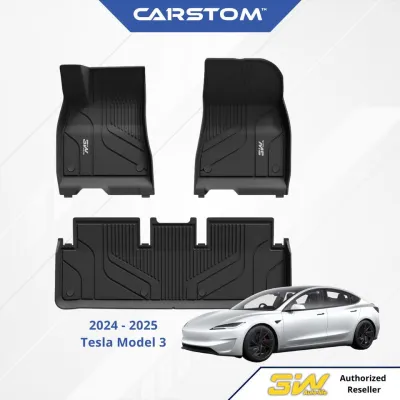
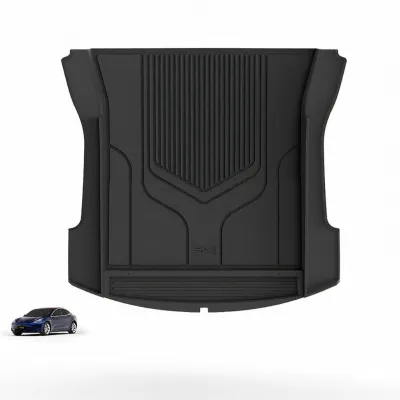
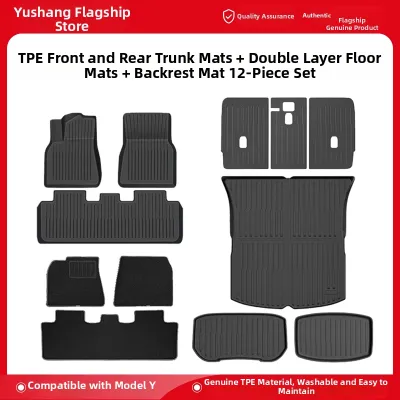
Prices are valid at publication and may change. Please refer to the product page for the latest price.
When evaluating full-surround options, pay close attention to how the mats interface with the door sill scuff plates and inner cabin thresholds. High-quality designs should tuck neatly under or sit flush against these plastic trims without curling or creating a tripping hazard. Any gap in these areas allows dirt and spilled liquids to seep underneath, defeating the purpose of a protective barrier and leading to trapped moisture.
The center console base and seat adjustment rails present additional fitment challenges. The front seats of the Tesla Model 3 slide along low-profile metal tracks that require absolute clearance to operate smoothly. A poorly measured mat can bunch up against these rails, putting strain on the seat motors or preventing the seats from reaching their full range of travel.
Additionally, the driver’s side footwell in the Model 3 is equipped with factory floor retention clips designed to lock the mat in place. Any aftermarket mat you consider must align perfectly with these anchor points to prevent the mat from sliding forward during sudden braking or acceleration. Most importantly, a true full-surround mat must maintain a mandatory safe clearance zone around the accelerator and brake pedals, ensuring there is zero risk of the pedal catching on the lip of the mat when fully depressed.
Key Dimensions to Compare Across Mat Brands
To make an informed comparison between different aftermarket brands, you must evaluate several physical dimensions and material characteristics. The first of these is wall height and structural rigidity. While taller walls offer superior containment for spilled drinks or rainwater, they require sufficient structural integrity to stand upright over years of use. If the material is too thin or soft, the high walls will eventually sag, fold inward, and allow debris to bypass the protective barrier.

This highlights the trade-off between material flexibility and molded stiffness. Rigid, thermoplastic elastomer (TPE) or multi-layer composite mats are digitally scanned and pressure-molded to hold their shape permanently. They offer excellent edge retention and are highly effective at containing large liquid spills. On the other hand, more flexible, rubberized, or leatherette mats conform more easily to minor floor pan variations and are often easier to bend and remove from the cabin without spilling trapped dirt.
Surface texture is another key dimension that affects both aesthetics and functionality. The top layer of the mat should feature a non-slip texture or deep channels designed to trap water, sand, and mud away from your shoes. For a premium vehicle like the Tesla Model 3, look for textures that complement the clean, modern interior while providing excellent shoe grip under wet conditions. Additionally, multi-layer mats with dense foam cores can help absorb road noise, contributing to a quieter cabin experience.
Finally, consider the weight of the mat and the design of its backing. Heavier mats tend to stay in place better through gravity alone, but they can be cumbersome to remove for cleaning. To compensate for lighter materials, many brands utilize specialized anti-slip backings, such as microscopic fiber claws or hook-and-loop textures, that grip the vehicle’s carpet without damaging the fibers.
Evaluating Safety and Functional Clearances
Safety must always take precedence over maximum coverage when selecting interior accessories. Before driving with any new set of car mats, you must perform a physical clearance test. With the vehicle completely powered off, manually depress both the brake and accelerator pedals to their absolute limits. Verify visually and by feel that there is a clear gap between the pedal arms, pads, and the edges of the mat, ensuring no part of the mat can catch, pinch, or restrict the pedals’ return stroke.
Beyond the pedals, you must check for potential obstructions in other functional areas of the cabin. In the rear passenger footwell, the Tesla Model 3 features under-seat air vents that distribute climate-controlled air. The rear mats must not block these vents, as restricted airflow can strain the HVAC system and reduce passenger comfort. Similarly, if your Model 3 is equipped with a premium audio system, ensure the mats do not encroach on the subwoofer enclosure or block any speaker grilles located near the floor.
If you are purchasing a complete set that includes cargo liners, verify that the rear trunk mat does not interfere with the sub-floor storage compartment. The Model 3 features a deep lower trunk well that is accessed by lifting a folding floor panel. The cargo liner must be designed with a flexible hinge or a precise cutout that allows you to lift this panel easily to access charging cables, emergency kits, or groceries without having to remove the entire liner.
Material safety is another critical factor, especially in warm climates where the vehicle’s interior temperatures can soar when parked in the sun. Check the manufacturer’s labels for certifications regarding non-toxicity, low volatile organic compound (VOC) emissions, and heat resistance. High-quality mats should be odorless even when exposed to high cabin temperatures, ensuring that harmful chemical fumes do not circulate through the closed cabin of your electric vehicle.
Decision Framework: Matching Brand Traits to Your Needs
Selecting the right brand of full-surround mats requires matching their specific design philosophies to your lifestyle and driving habits. If you frequently deal with wet weather, outdoor sports, or muddy environments, rigid, high-wall molded mats are generally the most practical choice. These mats act like shallow trays, keeping water, sand, and mud completely contained until you are ready to take them out and hose them down.
If you prefer a more integrated, luxurious look that mimics the original carpet, flexible, tailored-fit mats might be more suitable. These options often use multi-layer synthetic leather or woven fabrics that hug the contours of the footwell tightly, offering a softer feel underfoot and a lighter weight that makes them exceptionally easy to lift out. While they may not hold gallons of liquid, they provide excellent protection against dry dirt, dust, and minor spills.
For drivers who want the best of both worlds, some brands offer modular, multi-piece designs. These typically feature a durable, waterproof base mat combined with a removable upper layer, such as a coil mat or a carpet insert, held in place by snaps. This setup allows you to quickly detach the top layer for a rapid shake-out or wash, while the main protective base remains installed in the vehicle, simplifying your routine maintenance.
Regardless of the style you prefer, the most critical step in your decision framework is verifying compatibility. Tesla has made subtle but important updates to the Model 3 floor pan, seat risers, and center console dimensions over different production years, particularly with the major design refresh. Always check the manufacturer’s product documentation to ensure the mats are explicitly rated for your exact model year and drive configuration before making a purchase.
Installation and Fitment Verification Checklist
Once your new full-surround mats arrive, proper installation is key to achieving a perfect fit and ensuring safe operation. Many molded mats are shipped folded or rolled in a box, which can cause temporary warping. Before placing them in your vehicle, lay them flat in a warm room or under direct sunlight for a few hours. This allows the material to acclimate to the ambient temperature, regain its original molded shape, and soften enough to conform perfectly to your car’s floor contours.
When placing the mats into the footwells, start by aligning the driver’s side mat with the factory floor retention clips. Press down firmly until you hear or feel the clips engage and lock securely. Do not force the connection; if the holes do not align naturally with the clips, double-check that the mat is positioned correctly and that there is no debris trapped underneath. A properly secured mat should not budge when you push against it with your foot.
Next, perform a thorough visual and physical inspection of all edges. Run your hand along the perimeter where the mat meets the door sills, the center console, and the plastic trim under the dashboard. The edges should lie completely flush against these surfaces without any gaps, curling, or overlapping that could catch on your shoes or block the movement of the seats. If you notice any persistent warping, you may need to use the adhesive hook-and-loop tabs often provided by manufacturers to secure the high side walls.
Finally, keep the packaging and purchase documentation intact until you have fully verified the fit. Review the seller’s return policy immediately upon delivery, noting the window of time allowed for returns. If you encounter a manufacturing defect or a significant fitment discrepancy, take clear photographs of the issue showing the misalignment or pedal interference to support your return or exchange request.
Frequently Asked Questions (FAQ)
Are floor mats compatible across different Tesla Model 3 production years?
No, floor mats are not universally compatible across all Tesla Model 3 production years. Tesla has introduced several interior updates since the vehicle’s initial launch, including changes to the front seat mounting rails, the shape of the center console base, and the overall dimensions of the footwells, culminating in the major design refresh. A mat designed for an older model year will likely not fit a newer refreshed model correctly, which can lead to dangerous slipping, bunched material, or pedal interference. Always consult the manufacturer’s compatibility chart and verify your vehicle’s exact production year and trim level on the product label before purchasing.

Community discussion
Share your experience or ask a question. Comments are reviewed before publication.