
Finding the right full-surround car floor mats requires looking beyond generic marketing claims of a “perfect custom fit.” While many popular brands promise complete interior protection, the actual fitment and coverage vary significantly depending on the manufacturer’s 3D scanning accuracy, material rigidity, and model-specific molding. To find the best option for your vehicle, you must compare how different brands handle high-edge walls, complex floor contours, and critical safety clearances.
A true full-surround mat should act as a seamless barrier, protecting your car’s original carpeting from dirt, moisture, and wear. However, because car cabins feature intricate shapes, seat rails, and floor-mounted pedals, a mat that fits one vehicle model flawlessly might bunch up or slide in another. Evaluating these accessories requires a systematic approach focused on physical dimensions, material behavior, and precise vehicle compatibility.
Defining Full-Surround Fit and Coverage Standards
To evaluate different brands, you must first understand what separates a true full-surround mat from standard floor protection. Traditional flat mats only cover the flat footwell areas, leaving the vertical carpeted walls exposed to dirt, mud, and liquid spills. Standard 3D mats improve on this by adding shallow raised edges, but they still leave significant portions of the footwell walls unprotected.
Products mentioned in this guide
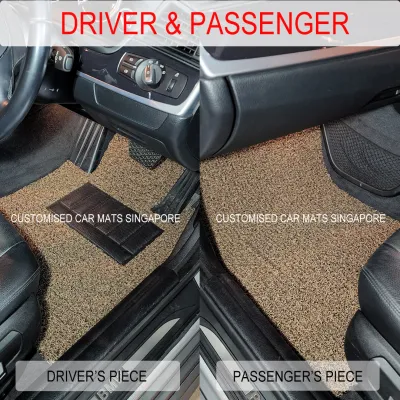

![Premium Customized Single Color Coil Car Mats (Available for Single Driver & Whole Sets [Front and Rear])](https://img.lazcdn.com/g/p/920b43741a30b013c3a5cddef1a906cf.jpg_400x400q80.jpg_.webp)
![Premium Customized DESIGN 550 Car Mats (Available for Single Driver & Whole Sets [Front and Rear])](https://img.lazcdn.com/g/p/286a3c3eec34a709c2d050b077c5082e.jpg_400x400q80.jpg_.webp)
![Premium Customized Duo Tone Color Coil Car Mats (Available for Single Driver & Whole Sets [Front and Rear])](https://img.lazcdn.com/g/p/e3bbefe58e6dba663a34f14b762f5d98.jpg_400x400q80.jpg_.webp)
![Premium Customized Honey Comb Car Mats (Available for Single Driver & Whole Sets [Front and Rear])](https://img.lazcdn.com/g/p/c14fd77f48c34f21d090238bb4db8744.png_400x400q80.png_.webp)
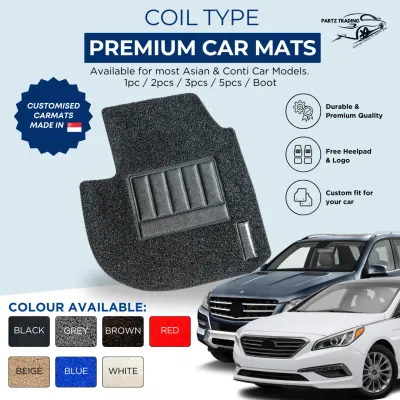
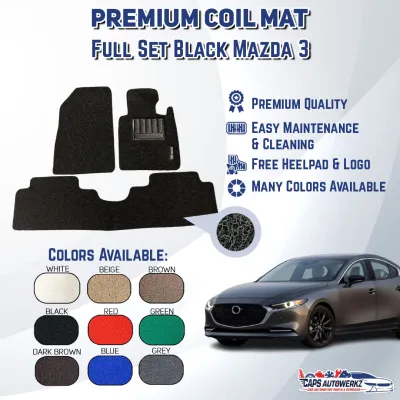
Prices are valid at publication and may change. Please refer to the product page for the latest price.
A true full-surround floor mat features high-edge walls designed to wrap around the interior panels, extending up toward the door sills and the sides of the center console. This design creates a deep, tub-like enclosure that traps debris and moisture within the mat’s boundaries. For drivers in tropical climates with frequent heavy rain, this high-edge coverage is essential for preventing water from soaking into the underlying vehicle insulation, which can lead to mold and persistent odors.
Critical coverage zones require close inspection when comparing brands. A high-quality full-surround mat must provide complete coverage for the driver’s dead pedal area, the vertical carpet behind the accelerator and brake pedals, and the sides of the transmission tunnel. In the rear passenger cabin, the mat should cover the center hump completely, transitioning smoothly from the left footwell to the right without leaving gaps or loose flaps.
It is important to recognize that “custom fit” is a widely used marketing term that does not guarantee flawless coverage. Some brands use semi-custom templates that approximate the shape of your vehicle’s floor but require manual trimming or rely on flexible materials to bend into place. True custom-molded mats are engineered using precise 3D laser scans of specific vehicle cabins, resulting in rigid panels that mirror every contour of the factory carpeting without requiring modifications.
Key Dimensions for Comparing Floor Mat Brands
When comparing different full-surround floor mat brands, several physical and structural dimensions determine their long-term performance and appearance. The first dimension is edge height and wall rigidity. High-edge mats rely on structural stiffness to maintain their shape over time; if the perimeter walls are too soft, they will eventually sag, collapse inward, and allow dirt to slip behind the mat. Look for brands that use multi-layer materials, such as thermoplastic elastomers (TPE) or reinforced ethylene-vinyl acetate (EVA), which provide the necessary rigidity to stand upright under daily foot traffic.

Surface texture and anti-slip properties are equally critical for safety and comfort. The top layer of the mat must offer sufficient traction, even when wet, to prevent your shoes from slipping while operating the pedals. Simultaneously, the underside of the mat must feature a high-friction texture or specialized backing—such as micro-hooks or rubberized nibs—that grips the factory carpet securely. Without an effective anti-slip backing, even a tightly fitted mat can shift forward during sudden braking, creating a serious safety hazard.
Manufacturing standards are often revealed through seam construction, stitching quality, and initial material odor. Premium brands typically utilize heat-pressed seams or high-density stitching that prevents liquid from leaking through the joints. Additionally, high-quality synthetic materials undergo proper curing processes to minimize volatile organic compounds (VOCs). Lower-grade mats often emit a strong, chemical plastic odor when exposed to direct sunlight and cabin heat, which can be unpleasant and difficult to eliminate.
Precision cutouts represent the final major point of comparison. A well-designed full-surround mat must feature exact openings for seat mounting rails, floor-mounted air conditioning vents, fuel door release levers, and charging ports. If a brand’s molding process is slightly off, the mat may block these essential components, forcing you to either trim the material yourself or tolerate restricted access to your vehicle’s features.
How to Verify Fitment for Your Specific Car Model
Before purchasing any full-surround floor mats, you must perform a thorough compatibility check to ensure the product matches your exact vehicle configuration. Start by consulting the manufacturer’s official fitment guide. Do not rely solely on the vehicle model name; you must verify the exact production year, body style (such as sedan, hatchback, or SUV), and specific trim level. Manufacturers frequently alter floor pan layouts during mid-generation refreshes or across different trim packages.
Factory variations within the same model year can significantly impact how a mat fits. For example, vehicles equipped with premium audio systems often feature floor-mounted subwoofers under the seats, which alter the available floor space. Similarly, hybrid or electric variants of a vehicle may have different floor contours due to battery pack placement compared to their internal combustion engine counterparts. Always check if the mat manufacturer specifies compatibility with these specific interior variations.
Reviewing real-world user feedback is an invaluable step in the verification process. Look for online forums, owner groups, or product reviews where drivers have shared photos of the mats installed in your exact vehicle model. Pay close attention to how the mats sit around the corners, whether there are visible gaps along the center console, and if other owners have reported issues with the mats shifting over time. This peer feedback often reveals fitment quirks that official product descriptions omit.
Finally, review the return and exchange policies of the retailer or manufacturer before finalizing your purchase. Because custom-molded automotive accessories are highly model-specific, returning them can be complicated and costly. Ensure the seller offers a clear fitment guarantee, allowing you to return or exchange the mats if they do not align properly with your vehicle’s factory floor layout. Keep the original packaging intact during your initial test fit to simplify the return process if necessary.
Safety and Functional Clearances to Inspect Before Installation
Safety must be your primary consideration when installing any aftermarket interior accessory. Before driving with new full-surround mats, you must perform a comprehensive safety inspection to ensure they do not interfere with the vehicle’s control interfaces. The most critical area to inspect is pedal clearance. The high edges of the mat must not obstruct the full travel range of the accelerator, brake, or clutch pedals. Press each pedal completely to the floor to verify that it does not catch, rub, or get held down by the edge of the mat.
Seat track movement is another common area of interference. Power-adjustable and manual sliding seats require clear paths along their mounting rails to function correctly. Ensure that the high-edge walls of the mats do not block the seat tracks or get pinched when the seats are moved fully forward or backward. If a mat is forced under a moving seat rail, it can damage the seat motor, tear the mat material, or cause the seat to jam.
Airbag deployment zones must remain completely unobstructed. Some modern vehicles feature side-impact or curtain airbags that deploy from the lower seat frames or near the door sills. If your full-surround mats extend high up the door sills, verify that they do not cover or restrict these safety systems. Refer to your vehicle’s owner’s manual to identify all airbag locations and ensure the mats do not interfere with their designated deployment paths.
Lastly, always utilize the vehicle’s factory floor mat anchor points. Most modern cars are equipped with floor pegs, clips, or twist-locks designed to hold mats securely in place. A high-quality full-surround mat must feature matching retention grommets that lock onto these factory anchors. Never overlay new mats on top of existing floor mats, as this stack height prevents the retention clips from engaging, allowing the mats to slide forward and potentially trap the pedals.
Decision Framework: Choosing the Right Mat Profile for Your Vehicle
Selecting the right full-surround floor mat profile depends on your budget, vehicle type, and protection priorities. If your primary goal is maximum edge height, rigid wall support, and an exact match to your vehicle’s original contours, premium custom-molded brands are the most suitable choice. These mats are ideal for daily drivers, family vehicles, and cars operating in wet or muddy environments where complete liquid containment is necessary. While they require a higher initial investment, their precise fitment minimizes shifting and provides the cleanest aesthetic.
If you are working with a tighter budget and do not mind minor fitment compromises, flexible semi-custom brands offer a practical alternative. These mats are typically made from softer rubber or TPE compounds that can bend to accommodate slight variations in floor layouts. They are best suited for standard vehicle models with simple floor pans. However, be prepared for the possibility of minor trimming along the edges, and accept that they may not provide the same level of high-wall rigidity as custom-molded options.
Before making a decision, verify if your vehicle features a specialized floor layout that might complicate installation. Electric vehicles (EVs) often have flat floors but may feature unique battery humps or console designs. Similarly, commercial vans, utility vehicles, or cars with aftermarket pedal modifications or non-standard floor fittings require careful measurement. Standard custom-molded mats may not account for these modifications, requiring you to seek specialized commercial-grade solutions.
In some cases, neither custom-molded nor semi-custom mats will fit your vehicle safely. If your car has heavily modified interior flooring, custom racing seats with non-standard mounting rails, or missing factory anchor points, aftermarket full-surround mats should be avoided. In these scenarios, installing standard flat mats or seeking professional custom upholstery work is the safest approach to ensure your vehicle’s controls remain completely unobstructed.
Frequently Asked Questions (FAQ)
Do full-surround mats affect the air conditioning vents under the seats?
Many modern vehicles feature heating, ventilation, and air conditioning (HVAC) vents located on the floor directly beneath the front driver and passenger seats. These vents direct airflow to the rear passenger footwells. When installing high-edge full-surround mats, it is crucial to verify that the rear mat’s front edges do not block these vent openings. Obstructing the vents can restrict airflow, reduce the efficiency of your climate control system, and potentially cause the under-seat ductwork to overheat. Before purchasing, check that the mat design includes specific cutouts or a lower profile in the under-seat areas to allow unrestricted air distribution.
How do I clean high-edge floor mats without removing them from the car?
For routine maintenance, you can clean installed full-surround mats without removing them from the vehicle cabin. Start by using a handheld vacuum cleaner equipped with a narrow crevice tool to extract dry dirt, sand, and debris trapped in the high corners and along the seams. For light spills or muddy footprints, wipe the surface down using a damp microfiber cloth. If a deeper clean is required, select a mild interior detailer or a dedicated mat cleaner that is explicitly authorized by the manufacturer’s material care label. Avoid using harsh household detergents, bleach, or silicone-based dressings, as these chemicals can degrade the synthetic materials, strip away protective coatings, and leave the surface dangerously slick.
Community discussion
Share your experience or ask a question. Comments are reviewed before publication.