
Why Your Vehicle Needs a Custom-Fit Tesla Juniper Sun Shade
Singapore’s tropical climate presents a relentless challenge for electric vehicle owners. With the sun beating down year-round, cabin heat buildup is not just an inconvenience; it actively impacts your driving comfort and vehicle efficiency. If you drive the refreshed Tesla Model Y, commonly referred to as the “Juniper” edition, finding a high-quality tesla juniper sun shade is one of the most practical upgrades you can make. While the vehicle’s expansive glass roof and sweeping windshield offer stunning outward visibility and a spacious cabin feel, they also act as a greenhouse, trapping solar radiation and driving interior temperatures to extreme levels when parked in open-air HDB or commercial carparks.
Using a generic or older-generation sun shade on this refreshed model often leads to frustrating fitment issues. The Juniper update introduces subtle but critical design changes, including modified windshield dimensions, a revised glass curvature, and an updated rearview mirror and front-facing camera housing. A generic shade that is too small leaves significant gaps along the edges, allowing concentrated beams of sunlight to penetrate the cabin. Conversely, an oversized shade will sag, buckle, and fail to stay in place, potentially putting pressure on the delicate sensor pod. A custom-fit shade ensures complete edge-to-edge coverage, blocking out the maximum amount of light and protecting your interior from premature wear.
In Singapore’s high-UV environment, the long-term health of your vehicle’s interior materials depends heavily on consistent protection. Prolonged exposure to solar radiation can cause the vegan leather dashboard, steering wheel, and seats to dry out, fade, or even crack over time. Furthermore, when your cabin heats up to over 60 degrees Celsius, your Tesla’s Cabin Overheat Protection (COP) system has to work overtime, drawing precious energy from the high-voltage battery pack just to keep the interior within safe limits. Investing in a precise-fitting front sun shade directly reduces this thermal load, preserving your battery range and ensuring the cabin cools down much faster once you step inside.
Products mentioned in this guide
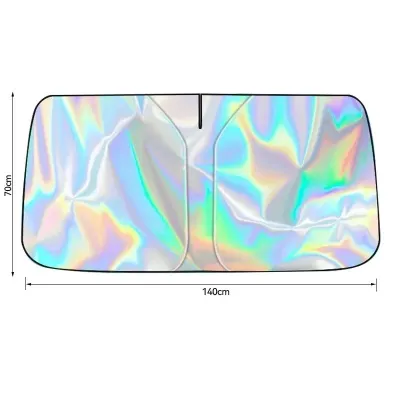
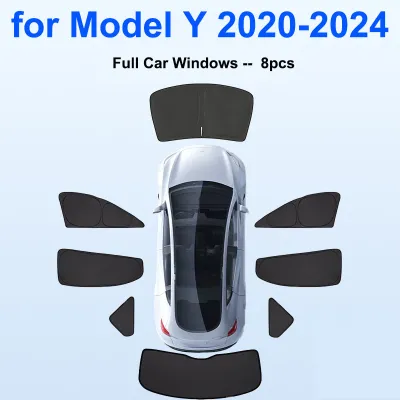
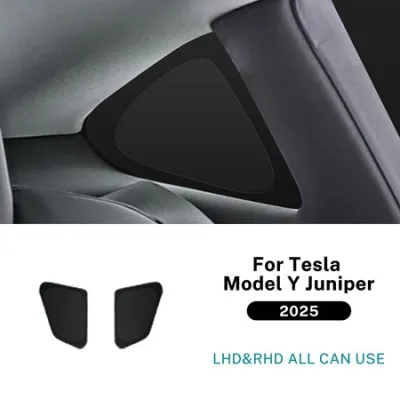
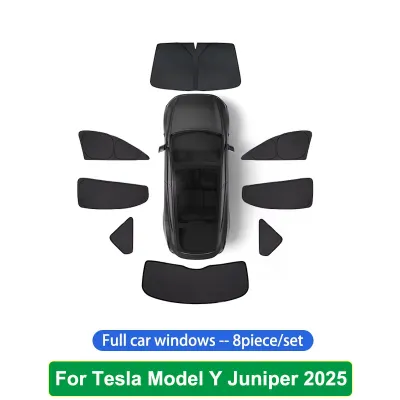
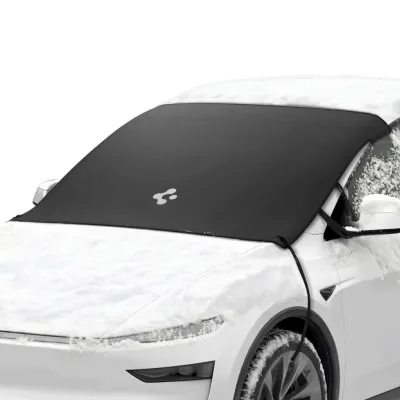
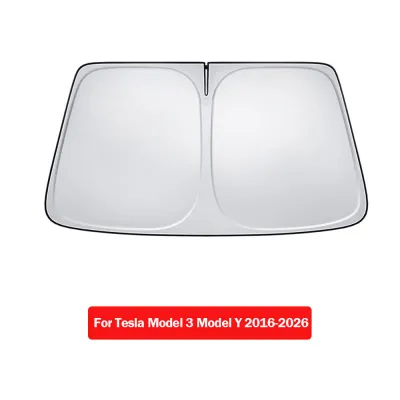
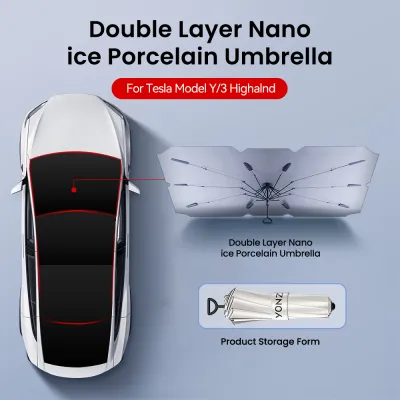
Prices are valid at publication and may change. Please refer to the product page for the latest price.
Key Features to Look for in a Juniper Sun Shade
Selecting the right tesla juniper sun shade requires looking beyond basic aesthetics to evaluate the materials and construction methods that dictate real-world thermal performance. The most effective shades utilize a multi-layer composite design. The outermost layer should feature a highly reflective silver or aluminum foil coating engineered to bounce incoming solar radiation away from the glass. Beneath this reflective surface, a high-density thermal barrier—such as a bubble-membrane or a non-woven cotton core—is essential to slow down the transfer of heat from the hot glass into the cabin air. Finally, a durable, dark inner fabric layer provides structural support and matches the clean, minimalist aesthetic of the Tesla interior.

Edge contours and the framing mechanism are equally critical to a shade’s overall utility. High-quality options employ a flexible memory wire frame that conforms precisely to the perimeter of the windshield, leaving virtually no gaps for light leakage. This frame must be rigid enough to hold its shape against the glass without sagging over hours of exposure, yet flexible enough to fold down easily for storage. The outer binding of the shade should be soft and non-abrasive, preventing any potential scratches to the interior A-pillars, headliner, or the delicate dashboard trim during installation and removal.
Another vital consideration is the heat resistance and chemical stability of the materials used. When parked under direct sunlight in Singapore, the area directly behind the windshield can reach extreme temperatures. Poorly manufactured shades made with low-grade plastics or cheap adhesives can begin to degrade, warp, or release unpleasant chemical odors—a process known as off-gassing. This not only leaves a stubborn, greasy film on the inside of your windshield but can also compromise cabin air quality. Look for shades certified as non-toxic, odorless, and rated for high-temperature stability to ensure a safe and comfortable cabin environment.
Finally, you must weigh the trade-off between absolute thermal performance and daily convenience. A heavily insulated, rigid shade will offer the highest level of heat rejection but will naturally be bulkier and more challenging to store when you have passengers. On the other hand, a highly compressible, lightweight shade might fold down into a tiny footprint but may offer slightly less thermal insulation. Assessing your typical parking situations—such as whether you park mostly in shaded underground office lots or exposed outdoor areas—will help you determine the ideal balance of thickness and compressibility for your daily routine.
Recommended Sun Shade Types for Tesla Juniper
To find the best match for your lifestyle, it helps to understand the distinct design categories available for the Tesla Juniper windshield. Each type offers a unique balance of coverage, ease of deployment, and storage convenience.
Custom-Fit Foldable Shades
Custom-fit foldable shades represent the gold standard for drivers prioritizing maximum thermal insulation and a flawless, tailored appearance. These shades are engineered specifically to match the exact physical template of the Juniper windshield, ensuring that every corner, curve, and angle is fully covered. Because they are constructed with semi-rigid, multi-layered materials, they hold their shape exceptionally well and do not sag in the middle, even during long, hot afternoons parked in the sun.
Securing these shades is highly straightforward, typically requiring you to simply unfold the panels across the dashboard and fold down the vehicle’s sun visors to hold the top edge in place. Because they fit so snugly, they create an airtight thermal pocket between the shade and the glass, trapping heat and preventing it from radiating into the rest of the cabin.
The primary trade-off with custom-fit foldable models is their physical size when not in use. Even when folded or rolled up, they retain a relatively long, flat profile. You will need to allocate dedicated storage space for them, such as flat on the trunk floor, inside the deep sub-trunk, or tucked neatly into the front trunk (frunk). For drivers who frequently carry a full load of passengers or luggage, this extra storage requirement is an important factor to keep in mind.
Umbrella-Style Sun Shades
Umbrella-style sun shades have surged in popularity due to their highly compact storage footprint and incredibly fast deployment. Designed like a traditional rain umbrella, these shades feature a central shaft and a folding rib skeleton that opens up to stretch a reflective fabric canopy across the windshield. When collapsed, they shrink down to the size of a small water bottle, allowing you to slip them easily into the door pocket, the center console, or under the front seats.
While the convenience of this design is undeniable, it does come with specific design limitations. The rigid, symmetrical nature of the umbrella skeleton makes it difficult to achieve a truly seamless, edge-to-edge fit on a windshield as large and uniquely contoured as the Juniper’s. You may notice small light gaps around the corners or near the rearview mirror housing where the fabric cannot stretch fully flush against the glass.
Additionally, vehicle safety is a paramount concern when using an umbrella-style shade. The metal ribs and central support shaft pose a risk of scratching the vegan leather dashboard, the delicate screen bezel of the central infotainment display, or the glass itself if handled carelessly. Before purchasing, verify that the shade features padded rubber tips, fabric-wrapped end caps, and a flexible or bendable central shaft that can be angled away from the touchscreen to prevent accidental impact or cosmetic damage.
Retractable or Magnetic Shades
For frequent drivers who want a completely seamless, zero-effort experience, retractable or magnetic shades offer a semi-permanent solution. These systems typically mount directly to the A-pillars or the upper frame of the windshield using high-strength adhesive brackets or integrated magnetic clips. Once installed, the shade can be pulled across the glass like a roller blind and secured on the opposite side in a matter of seconds, eliminating the need to retrieve and unfold a separate accessory every time you park.
While highly convenient, these shades require careful verification before purchase and installation. You must ensure that the mounting brackets and adhesive materials do not interfere with the vehicle’s original glass tint, aftermarket solar films, or the sensitive front-facing Autopilot camera array housed behind the rearview mirror. Additionally, the adhesive used must be rated to withstand Singapore’s intense heat and humidity without melting, sliding, or leaving permanent residue on the interior trim.
It is also crucial to verify that the retracted housing of the shade is sufficiently compact. If the housing is too bulky, it can create a physical obstruction in the driver’s line of sight near the A-pillars, which is a serious safety hazard and may run afoul of local road safety guidelines. Always opt for low-profile, crash-tested designs that preserve your full field of view while driving.
How to Verify Fitment and Avoid Compatibility Issues
Because the automotive aftermarket moves quickly, many sellers list accessories as compatible with multiple vehicle generations, which can lead to frustrating purchasing errors. When shopping on online marketplaces or specialized EV accessory stores, avoid relying on generic labels such as “Model Y Sun Shade” or “Fits All Tesla Models.” The Juniper refresh introduces distinct physical changes to the cabin geometry, meaning a shade designed for the pre-refresh Model Y will not sit flush, leaving significant gaps or putting undue pressure on the interior trim.
To ensure a perfect fit, look for product descriptions that explicitly state compatibility with the “Tesla Juniper” or the specific model year of your vehicle. Pay close attention to how the shade accommodates the central sensor pod and rearview mirror assembly. The Juniper features an updated camera housing for its advanced driver-assistance systems; a properly designed shade will feature a deep, Velcro-secured cutout or a flexible fabric notch that wraps cleanly around this housing without pushing against it or shifting its alignment.
Reading customer reviews and examining buyer-uploaded photos is one of the most reliable ways to verify real-world fitment. Look specifically for feedback from other Juniper owners regarding whether the shade sags over time, how easily it tucks behind the sun visors, and whether the edges seal tightly against the A-pillars. If you see photos showing light leaking through large gaps or the shade bowing downward under its own weight, it is best to continue your search.
Finally, always verify the seller’s return policy and warranty terms before finalizing your purchase. Because minor manufacturing tolerances or batch variations can occur, having the option to exchange or return the product ensures you are not left with an ill-fitting accessory. Reliable brands will stand behind their product’s compatibility and offer clear customer support channels to resolve any fitment issues.
Installation and Care Tips for Maximum Heat Protection
To get the most out of your sun shade and prevent accidental damage to your vehicle, proper installation and maintenance are essential. When deploying the shade, always ensure the highly reflective, silver side is facing outward toward the glass, while the darker, fabric side faces the cabin. This orientation ensures that solar radiation is bounced back through the windshield immediately, rather than being absorbed by the shade and slowly radiating into your vehicle’s interior.
During installation, handle the shade with care to protect your interior surfaces. Gently slide the bottom edge of the shade down to the base of the windshield where it meets the dashboard, taking care not to scrape the vegan leather or force the frame against the glass. Once the bottom is positioned, lift the top edge into place and pull down both the driver and passenger sun visors to secure the shade flush against the glass. Avoid using aftermarket suction cups to hold the shade in place; under the intense heat of the Singapore sun, suction cups frequently fail, slide down the glass, and can leave permanent rings or damage the delicate solar control films installed on your windshield.
Maintaining a clean windshield is a simple yet highly effective way to prevent cosmetic damage. Over time, fine dust and road grit can accumulate on the inside of your glass and on the edges of your sun shade. When you press the shade tightly against the windshield, these tiny particles can act as an abrasive, causing micro-scratches on the glass or your aftermarket tint film. Periodically wipe down the inside of your windshield with a clean microfiber cloth and a dedicated glass cleaner, and gently shake out or vacuum your sun shade to keep it free of debris.
When removing the shade, fold it carefully according to the manufacturer’s instructions rather than forcing or twisting the internal frame. Forcing a memory wire frame into an unnatural shape can permanently warp or snap the internal metal wire, rendering the shade useless and creating sharp edges that could tear the fabric or scratch your car’s interior. Store the folded shade in its protective sleeve and place it in a cool, dry area of your vehicle, such as the door pockets or the sub-trunk, to keep it clean and ready for its next use.
Frequently Asked Questions (FAQ)
Will a standard Model Y sun shade fit the Tesla Juniper?
No, a standard pre-refresh Model Y sun shade is highly unlikely to provide a satisfactory fit on the Tesla Juniper. The Juniper refresh introduces updated cabin dimensions, a revised windshield angle, and a redesigned rearview mirror and front-facing camera housing. Attempting to use an older shade will typically result in loose edges, significant light leakage, or a shade that is too tight to sit flush against the glass. To ensure maximum heat rejection and protect your interior, always select a sun shade designed and patterned specifically for the Juniper model.
Does a sun shade affect the Tesla Juniper's Autopilot cameras or sensors?
A high-quality, properly fitted sun shade will not affect or interfere with your Tesla’s Autopilot cameras or safety sensors. The front-facing camera array is mounted flush against the windshield inside a sealed plastic housing behind the rearview mirror, looking outward. As long as your sun shade features a dedicated cutout that wraps around this housing without physically dislodging or putting pressure on the mirror mount, your vehicle’s driver-assistance systems will remain completely unaffected. Always avoid forcing a poorly fitting shade over the camera pod.
How much can a windshield sun shade reduce the cabin temperature?
While exact temperature reductions depend on ambient weather, parking duration, and whether your windows have aftermarket solar films, a premium sun shade makes a substantial difference. Rather than cooling the air itself, a shade works by blocking radiant heat from directly warming your dashboard, steering wheel, and seats—which can easily exceed 70 degrees Celsius when exposed to direct sunlight. By keeping these heavy interior surfaces significantly cooler, the shade dramatically reduces the thermal load on your air conditioning system, allowing the cabin to reach a comfortable temperature much faster while reducing battery consumption from Cabin Overheat Protection.

Community discussion
Share your experience or ask a question. Comments are reviewed before publication.