
Choosing the right car drying cloth is the final, critical step in preventing unsightly swirl marks and water spots on your vehicle’s paintwork. While traditionalists swear by the classic natural chamois, modern detailers often favor high-pile microfiber towels, and others prefer the rapid, sponge-like water clearance of synthetic PVA chamois. The best material depends on your vehicle’s paint condition, your washing environment, and how much effort you want to put into maintenance.
In hot, humid climates like Singapore, drying your car quickly is essential. The tropical heat causes water to evaporate rapidly on warm body panels, leaving behind mineral deposits that can etch into the clear coat. Understanding how each material interacts with your paint, traps residual dirt, and handles water retention will help you choose the safest and most efficient tool for your car care routine.
Material Profiles and Core Characteristics
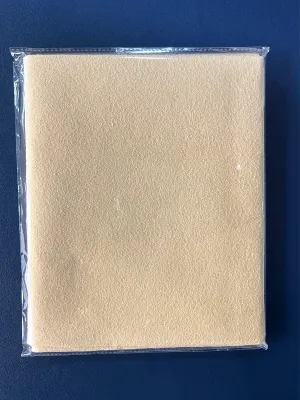
Natural chamois, often referred to as “shammy,” is a traditional detailing material made from the tanned hide of mountain sheep or lamb. The leather undergoes a specialized cod-oil tanning process, which gives it an open, highly porous structure and a distinct, organic aroma. This natural composition allows the leather to absorb water through capillary action while remaining remarkably soft when damp. It has been the historical standard for achieving a streak-free finish on paintwork and glass.
Products mentioned in this guide
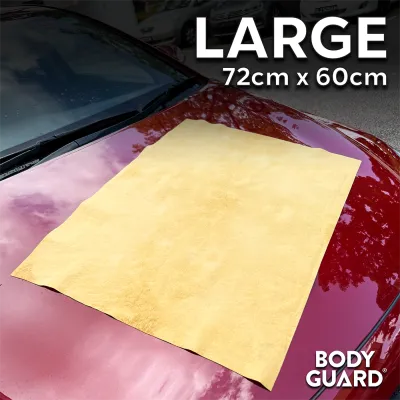
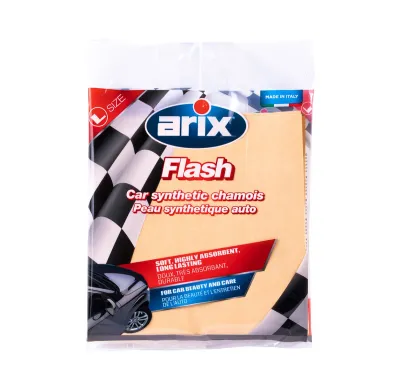
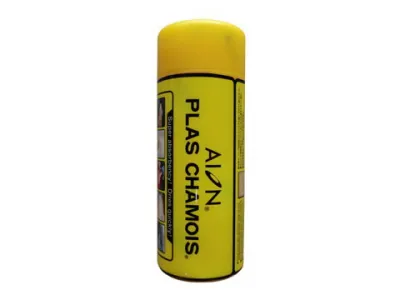
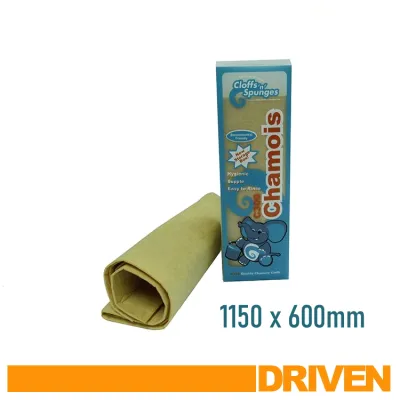
Prices are valid at publication and may change. Please refer to the product page for the latest price.
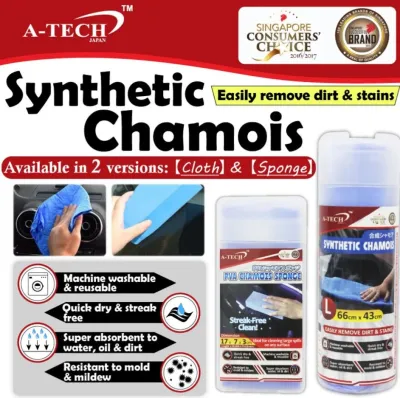
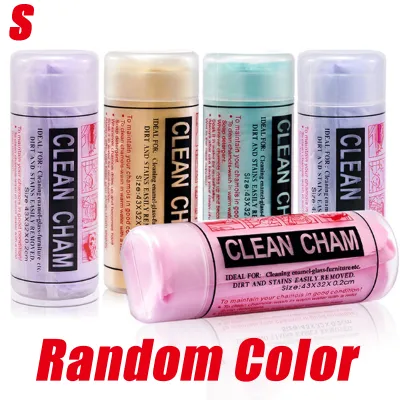
Synthetic chamois was developed to mimic the high absorbency of natural hide while eliminating its organic inconsistencies. Typically manufactured from Polyvinyl Alcohol (PVA) or similar highly absorbent polymers, synthetic chamois features a uniform, open-cell sponge structure. Unlike natural leather, which can vary in thickness and texture across a single sheet, synthetic chamois is perfectly consistent. It is highly resilient, resists mold and mildew, and dries to a rigid, cardboard-like state when not in use.
Microfiber towels represent a modern approach to automotive detailing. These cloths are woven from a synthetic blend of polyester and polyamide. During manufacturing, the fibers are split to create millions of microscopic channels and hooks that actively grab water and debris. Microfiber towels designed for drying are categorized by their weight, measured in grams per square meter (GSM). They feature various weave patterns, such as twist-loop or waffle-weave, designed specifically to glide smoothly over automotive clear coats.
Comparing Drying Performance and Paint Safety
When evaluating water absorption, synthetic PVA chamois and high-GSM microfiber towels lead the pack, though they handle water differently. A PVA chamois acts like a mechanical sponge, drawing water off the surface and holding it within its polymer cells. It can be wrung out to near-dryness instantly, allowing you to dry an entire vehicle with a single cloth. Microfiber towels absorb water by trapping it within the split fibers. While a large, plush microfiber towel can hold a massive volume of water, it becomes heavy when saturated and is difficult to wring out completely by hand, often requiring you to switch to a second, dry towel to finish the job.

Paint safety is where these materials diverge significantly, primarily due to how they handle residual dirt. Even after a thorough wash, fine dust, grit, or airborne contaminants can settle on the paint during the drying process. Microfiber towels feature a deep, plush pile that pulls these particles away from the paint surface, trapping them safely within the valleys of the fibers. Chamois cloths, both natural and synthetic, have flat, smooth surfaces. If a piece of grit gets trapped between a flat chamois and your paint, the cloth will drag that particle across the clear coat, creating fine scratches and swirl marks.
Surface friction also plays a role in paint safety and user fatigue. A dry or slightly damp chamois can “grab” or stick to highly polished paint and glass, requiring significant physical effort to drag across the panel. This friction can mar delicate clear coats. Microfiber towels, especially those with a twist-loop design, are engineered to glide effortlessly across dry and wet surfaces alike, minimizing friction and reducing the physical effort required to dry the vehicle.
Performance also varies across different vehicle surfaces. Microfiber is highly versatile, delivering streak-free results on glass, chrome, plastic trim, and painted panels. Synthetic chamois is excellent for clearing bulk water from large, flat panels like hoods and roofs, but it can struggle on intricate body lines, door jambs, and textured plastic trim where its flat surface cannot make consistent contact. Natural chamois excels on glass and chrome but can leave a slight, oily residue if the leather is brand new or has not been thoroughly rinsed.
Durability, Maintenance, and Long-Term Value
Maintaining a microfiber towel requires strict adherence to washing guidelines to preserve its delicate split-fiber structure. Microfiber should be washed in a washing machine using a dedicated microfiber restorer or a liquid detergent free of perfumes, dyes, and fabric softeners. Fabric softeners coat the polyester and polyamide fibers, completely destroying their absorbency. Additionally, microfiber must be air-dried in a dust-free environment or tumble-dried on an extremely low, no-heat setting, as high heat will melt the synthetic fibers and turn them scratchy.
Synthetic chamois requires a completely different maintenance routine. After use, it must be thoroughly rinsed with clean water to remove any trapped dirt or soap residue. Instead of being dried completely, a PVA chamois should be wrung out until damp and stored inside its original plastic tube. This keeps the material pliable and prevents it from drying rock-hard, which can lead to cracking and tearing. If it does dry out completely, it must be fully submerged in warm water to soften before you attempt to unfold or use it.
Natural chamois is the most delicate of the three materials and demands meticulous care. It must be washed by hand using a mild, pH-neutral soap, such as a pure castile soap. Harsh detergents, degreasers, and car wash soaps will strip the natural cod oil from the leather, causing it to dry stiff, crack, and rot. After washing, it must be gently squeezed—never wrung aggressively—and hung to dry in a shaded, well-ventilated area away from direct sunlight and heat sources.
In terms of long-term value, microfiber towels and synthetic chamois generally offer a lower cost-per-use than natural chamois. High-quality microfiber towels can withstand hundreds of machine washes without losing their softness or absorbency. Synthetic chamois is highly resistant to grease, oil, and mild detailing chemicals, giving it a long, trouble-free lifespan. Natural chamois, while durable if treated with extreme care, is highly susceptible to chemical damage and rot, meaning a single mistake in washing or storage can ruin an expensive piece of leather.
How to Choose the Right Car Drying Cloth for Your Needs
To make the right choice for your detailing routine, consider your vehicle’s paint condition, your washing environment, and your willingness to maintain the cloth. Prices for these drying tools generally range from S$5 for basic microfiber cloths to S$30 or more for premium, heavy-duty drying towels and genuine natural chamois.
Choose a microfiber towel if your primary goal is maximum paint safety and swirl prevention. Microfiber is the safest option for daily drivers, vehicles with soft clear coats, and cars parked outdoors where airborne dust is common. It is also the easiest to maintain, as it can be tossed into the washing machine after a detailing session. If you want a versatile, all-in-one cloth that works equally well on paint, glass, and interior trim, microfiber is the clear choice.
Choose a synthetic chamois if you prioritize speed and efficiency on large, flat surfaces. It is ideal for those who wash their cars in covered washing bays or garages where dust contamination is minimal. If you prefer the tactile experience of wringing out a single cloth and continuing to dry without swapping towels, a PVA chamois provides a highly efficient, sponge-like workflow.
Choose a natural chamois only if you are a traditional detailing enthusiast who enjoys classic car care methods and owns a vehicle with vintage single-stage paint. You must be fully committed to hand-washing the leather with specialized soap and drying it carefully after every use.
Before making your final purchase, verify the specific care requirements of your vehicle’s exterior surfaces. If your car has a professional ceramic coating, a matte paint finish, or a paint protection film (PPF), consult the installer’s guidelines. Many ceramic coating manufacturers recommend using only high-GSM, plush microfiber towels to dry the vehicle, as the friction from dragging a flat chamois can prematurely wear down the hydrophobic topcoat or leave micro-marring on delicate matte wraps.
Frequently Asked Questions (FAQ)
Can I use a regular bath towel instead of a dedicated car drying cloth?
You should avoid using household cotton bath towels on your vehicle’s paintwork. Cotton towels are woven with flat, looped fibers that are designed to absorb water but lack the ability to trap dirt particles safely. Any residual dust or grit on your car’s paint will be pressed against the clear coat and dragged across the surface, leading to fine scratches and swirl marks. Furthermore, household towels generate significant surface friction, shed lint, and are far less absorbent than dedicated automotive microfiber or chamois cloths.
How many drying towels do I need for a standard car wash?
For a standard sedan, using a two-towel system with high-quality microfiber is highly recommended. You will need one large, high-GSM drying towel (typically 50cm x 80cm or larger) to act as your primary dryer, absorbing the bulk of the water from the flat panels and glass. A second, smaller microfiber towel is useful for drying door jambs, wheels, and lower body panels where residual road grime might linger, preventing you from contaminating your primary drying towel. If you are using smaller or thinner towels, you may need three to four cloths to dry the vehicle completely without leaving streaks.

Community discussion
Share your experience or ask a question. Comments are reviewed before publication.