
Finding the right sun shades for your Toyota Noah Hybrid requires matching the vehicle’s distinct, expansive glass geometry with materials that can withstand intense, daily tropical heat. Because the Noah Hybrid features an exceptionally tall windshield and large, vertical side windows designed to maximize cabin visibility, standard off-the-shelf shades often fall short. A poorly fitting shade not only lets in significant heat but can also slip out of place, block critical safety sensors, or interfere with the smooth operation of your power sliding doors.
To protect your MPV’s interior and keep the cabin comfortable when parked in open-air carparks, you must look for shades that accommodate the specific generation of your Noah—whether you drive the older 80-series or the newer 90-series model. The ideal solution balances complete coverage, ease of storage, and safe installation that respects the vehicle’s advanced driver-assistance systems (ADAS).
Understanding Windshield and Side Window Fitment
The Toyota Noah Hybrid is celebrated for its airy, spacious cabin, a design achieved through massive glass panels and a high roofline. However, this expansive greenhouse area acts as a heat trap when the vehicle is parked under direct sunlight. To select an effective sun shade, you must first understand the unique dimensions and structural features of the Noah’s front and side glass.
Products mentioned in this guide
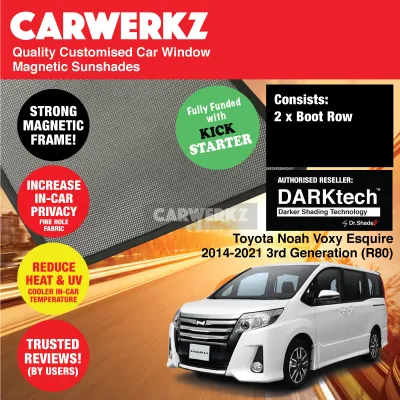
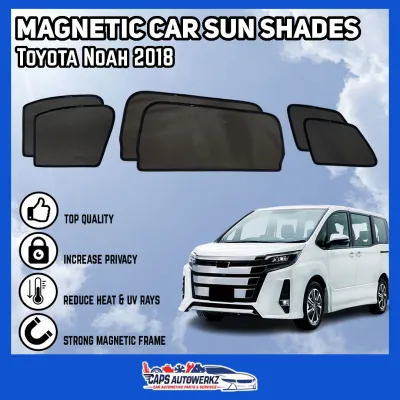
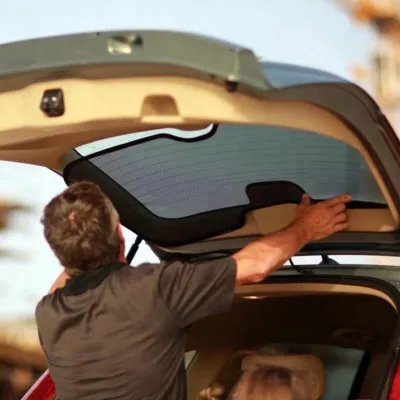
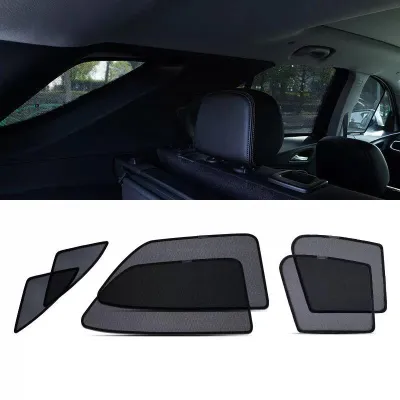
Prices are valid at publication and may change. Please refer to the product page for the latest price.
The front windshield of the Noah Hybrid is not only wide but also exceptionally tall, featuring a steep rake that extends far forward toward the hood. Standard universal sun shades, which are typically designed for sedans or compact SUVs, are almost always too short to reach from the dashboard to the sun visors. When shopping for a shade, you must verify that the product is explicitly patterned for the Noah’s specific generation. For instance, the 90-series Noah Hybrid (introduced in 2022) has a different windshield angle and overall glass area compared to the older 80-series models.
Another critical factor is the integration of windshield-mounted technology. The Noah Hybrid is equipped with Toyota Safety Sense (TSS), which relies on a sophisticated camera and sensor array housed in a pod mounted directly behind the rearview mirror. A proper front sun shade must feature a dedicated cutout or a flexible collar that fits snugly around this sensor housing. If the shade is too rigid or lacks a proper cutout, it can press against the camera pod, potentially misaligning the sensors or trapping excessive heat against the delicate electronics.
For the side windows, the fitment challenges shift to the sliding door mechanisms. The second-row windows on the Noah Hybrid are integrated into large, heavy sliding doors that operate on precise tracks with tight tolerances. Any sun shade installed on these windows must sit completely flush against the glass or the inner frame. If a shade protrudes even slightly, it can catch on the vehicle’s B-pillar or outer weatherstripping when the power sliding door is activated, causing the door’s safety sensors to trigger and reverse the door, or worse, damaging the window regulator and motor.
Types of Sun Shades for the Noah Hybrid
Choosing the right style of sun shade involves balancing the level of heat protection you require with how much effort you are willing to spend installing and storing the shades during your daily commute.

Custom-Fit vs. Universal Shades
Custom-fit sun shades are patterned using 3D scans of the specific vehicle model, ensuring that every corner of the glass is covered. For a large MPV like the Noah Hybrid, this edge-to-edge coverage is highly beneficial. Because there are no gaps around the perimeter, custom shades prevent “halo heating,” where sunlight leaks through the edges and rapidly warms the dashboard and steering wheel. Additionally, custom-fit options for the front windshield are designed to support themselves against the glass, often requiring only the deployment of the vehicle’s sun visors to stay securely in place.
In contrast, universal rectangular shades rely on overlapping panels or spring-loaded wires to wedge themselves into position. While these are widely available and generally more budget-friendly, they rarely provide adequate coverage for the Noah’s tall windshield. You will often find large gaps at the top corners, and the excess material in the center can bunch up, putting unnecessary pressure on the rearview mirror mount and the TSS camera housing.
Storage is another major differentiator between these two categories. Custom-fit shades made from thick, multi-layered reflective materials are often rigid and must be rolled up or folded into large accordion sections. In a fully loaded Noah Hybrid carrying family members or cargo, storing a large, rigid roll can be inconvenient. On the other hand, collapsible wire-frame shades can be twisted and folded into a compact circle that easily slides into the seatback pockets or the under-floor storage compartment in the trunk. You must weigh the superior thermal performance of a rigid custom shade against the daily convenience of a collapsible design.
Retractable, Static, and Magnetic Options
When looking at side window protection, the mounting mechanism plays a vital role in how easily you can operate your vehicle on a daily basis.
Magnetic sun shades have become highly popular for the Noah Hybrid’s side windows. These shades feature small, powerful magnets sewn into the fabric border, which cling directly to the exposed metal frame of the window. This design allows for rapid installation and removal without leaving sticky residue or suction cup marks on the glass. However, you must inspect your Noah’s door frames before purchasing; some trim levels or specific model years may feature plastic interior cladding that covers the metal frame, preventing magnetic shades from adhering properly.
Static cling shades and suction cup options offer a universal alternative that attaches directly to the glass itself. While static cling film is low-profile and allows the window to be rolled down slightly in some setups, it can degrade over time when exposed to intense heat and humidity, eventually peeling off. Suction cups provide a firmer hold but can lose suction as the rubber hardens under constant UV exposure. Furthermore, you must never roll down a window while a suction cup shade is attached, as this can jam the shade inside the door panel, damaging the window regulator.
Retractable roller shades, which mount to the top or bottom of the door trim, offer on-demand shade with the pull of a tab. While highly convenient, aftermarket roller units can add significant bulk to the door panel. In the tight confines of the Noah’s sliding doors, this added thickness can rub against the exterior bodywork when the door slides open. If you prefer a retractable option, it is crucial to verify that the housing profile is slim enough to clear the sliding door gap safely.
Key Material and Performance Features to Evaluate
The materials used in a sun shade directly dictate how well it can mitigate the greenhouse effect inside your parked Noah Hybrid. Understanding the differences between these materials helps you make an informed decision based on your typical parking conditions.
Reflective foil shades utilize a shiny, metallic outer layer designed to bounce incoming solar radiation back through the windshield before it can be absorbed by the dark surfaces of your cabin. These are highly effective for front windshields, especially when parking in unshaded, open-air areas. To maximize performance, look for multi-layered constructions that feature a closed-cell foam or bubble-wrap core sandwiched between the reflective outer layer and a soft inner felt backing. The core acts as a thermal barrier, slowing down the transfer of heat into the cabin, while the soft backing protects your dashboard from scratches.
Mesh shades are the standard choice for side and rear windows. Instead of blocking light entirely, they use a tightly woven synthetic fabric to filter out a percentage of sunlight while maintaining some level of visibility. When evaluating mesh shades, pay close attention to the manufacturer’s specifications regarding UV rejection and shading coefficients. High-quality mesh can block a significant portion of harmful ultraviolet rays, protecting your passengers’ skin and preventing the vehicle’s leather or fabric upholstery from fading and cracking over time.
Frame durability is another critical factor, particularly for foldable wire-frame shades. The internal spring wire must be made from high-tensile steel that retains its memory after hundreds of folding cycles. A weak frame will quickly sag, causing the shade to pull away from the glass and lose its effectiveness. Look for double-stitched fabric borders that prevent the wire frame from wearing through the material and scratching your vehicle’s interior pillars.
Installation, Safety, and Visibility Checks
While sun shades are primarily used when the vehicle is stationary, their installation and design can have serious safety implications when you are on the road.
First and foremost, you must ensure that any front windshield shade does not interfere with the advanced driver-assistance systems. The Toyota Safety Sense camera pod must remain completely unobstructed when the vehicle is in motion. Never attempt to drive with a front sun shade partially deployed or folded down on the dashboard, as this can block your view of the road and interfere with the camera’s field of view, potentially disabling automatic emergency braking or lane-keeping assist features.
For side windows, visibility is a paramount safety concern, especially during lane changes and turns. If you choose to leave mesh shades installed on the front-row side windows while driving, you must verify that they do not obscure your view of the side mirrors. Many jurisdictions have strict legal limits on the level of window tinting and obstruction allowed on front-row glass. If a mesh shade is too dark, it can severely compromise your night vision and blind-spot awareness. It is highly recommended to use front-row side shades only when parked, or to select models that feature a cut-out section specifically designed to keep the side mirrors visible.
During installation, take care not to force rigid frames or suction cups against the delicate rubber weatherstripping and window seals of your Noah Hybrid. Repeatedly jamming a tight-fitting shade into the window channels can deform the seals, leading to wind noise, water leaks during heavy rain, or increased strain on the power window motors. Gently position the shade and secure it using the built-in visors or magnetic contact points rather than wedging it tightly into the trim.
Building Your Shortlist: What to Verify Before Buying
Before finalizing your purchase on any online marketplace or at a local automotive accessory shop, running through a targeted checklist will save you the hassle of dealing with ill-fitting returns.
Start by confirming the exact model code and manufacturing year of your Toyota Noah Hybrid. The vehicle underwent a major redesign with the introduction of the 90-series (ZWR90) in 2022, which features different window dimensions, mirror mounts, and door frame profiles compared to the older 80-series (ZWR80). A shade labeled simply “Toyota Noah” may not fit your specific hybrid model if the trim levels or generations differ. Always cross-reference the product listing with your vehicle’s log card or chassis number if you are unsure.
Next, carefully review the return and exchange policies of the seller. Because sun shade fitment is highly precise, even a minor manufacturing variance can prevent a shade from fitting correctly around the TSS camera pod or within the sliding door frame. Opt for sellers that offer hassle-free returns or fitment guarantees, allowing you to test the shades in your vehicle immediately upon delivery.
Finally, dive into the user reviews and feedback sections, filtering specifically for mentions of the “Noah Hybrid” or “Voxy” (its sister model which shares the same body shell). Look for comments regarding how well the front shade clears the rearview mirror, whether the magnetic side shades stay secure when the sliding doors are operated, and if the material emits any chemical odors when exposed to high cabin temperatures. Real-world feedback from fellow MPV owners is invaluable for identifying potential design flaws before you spend your hard-earned money.
Frequently Asked Questions (FAQ)
Do I need to remove the windshield sun shade every time I drive?
Yes, you must completely remove and safely store the front windshield sun shade before operating your Toyota Noah Hybrid. Driving with any obstruction on your windshield is highly dangerous and illegal in Singapore, as it severely limits your forward visibility and blocks critical safety sensors like the Toyota Safety Sense camera. When removing the shade, fold or roll it up neatly and store it in the passenger footwell, a door pocket, or the rear cargo area to prevent it from sliding under the brake pedal or distracting you while driving.
Can side window sun shades damage the Noah Hybrid's power sliding doors?
Yes, improperly fitted side window shades can potentially damage the power sliding doors or their motorized regulators. Because the clearance between the sliding door and the vehicle’s body is extremely tight, any shade that protrudes past the inner window frame can catch on the rubber seals or the B-pillar as the door slides back. This physical interference can strain the electric motor, damage the weatherstripping, or cause the door’s auto-reverse safety mechanism to trigger repeatedly. To prevent this, always choose ultra-slim, custom-fit magnetic or static cling shades that sit completely flush against the glass, and verify that the door operates smoothly throughout its entire range of motion after installation.

Community discussion
Share your experience or ask a question. Comments are reviewed before publication.